- calendar_today June 6, 2026
Honolulu, HI — The labor market in Hawaii & Pacific is exhibiting remarkable strength in 2026, as employers across the United States report robust job growth, overcoming obstacles such as energy shocks and immigration restrictions. The region’s employment landscape mirrors national trends, with significant gains providing optimism for local workers and businesses.
Steady Job Growth Drives Economic Recovery
In May 2026 alone, the U.S. labor market added 172,000 new positions, with an average of 114,000 jobs being created each month throughout the year. This marks a significant improvement from the stagnation seen in 2025 and signals renewed momentum for local job seekers in Hawaii & Pacific. Business leaders attribute this resurgence to targeted tax breaks, renewed investment in artificial intelligence, and a revival in key employment sectors such as leisure, hospitality, construction, and manufacturing.
Unemployment Rate Remains Low Amid Changing Forces
Despite earlier fears, the unemployment rate has stayed low, reassuring employers and local legislators. Still, not all is smooth sailing; long term unemployment continues to concern labor advocates, as not all individuals looking for work are able to secure positions, particularly those whose jobs have been impacted by recent automation advances and immigration restrictions.
The Role of Artificial Intelligence and Technology
Technological advancements, especially in artificial intelligence, are reshaping how work gets done in the region. While some positions have been displaced due to automation, the labor market is also generating new opportunities in consulting, tech support, and digital project management. Hawaii & Pacific technology firms are actively investing in upskilling local workers to meet evolving employer demands. These changes offer a path for many affected by structural shifts in traditional employment sectors.
Wage Growth Lags Behind Inflation
Despite strong job creation numbers, wage growth has not kept pace with inflation impact, leaving workers—especially in lower-income brackets—feeling the pinch. In 2026, average wages rose by 3.4%, while inflation climbed to 3.8%. As a result, households in Hawaii & Pacific are dipping into their savings to cover everyday expenses, with lower-paid and creative workers feeling particular pressure.
Consumer Sentiment Remains Cautious
Another challenge facing the labor market is subdued consumer sentiment. Many residents remain cautious about spending, as higher costs erode the benefits of new employment opportunities. Local organizations are watching these trends closely, recognizing that persistent wage pressures and uncertain purchasing power could affect longer-term economic growth.
Diversity in Employment Sectors
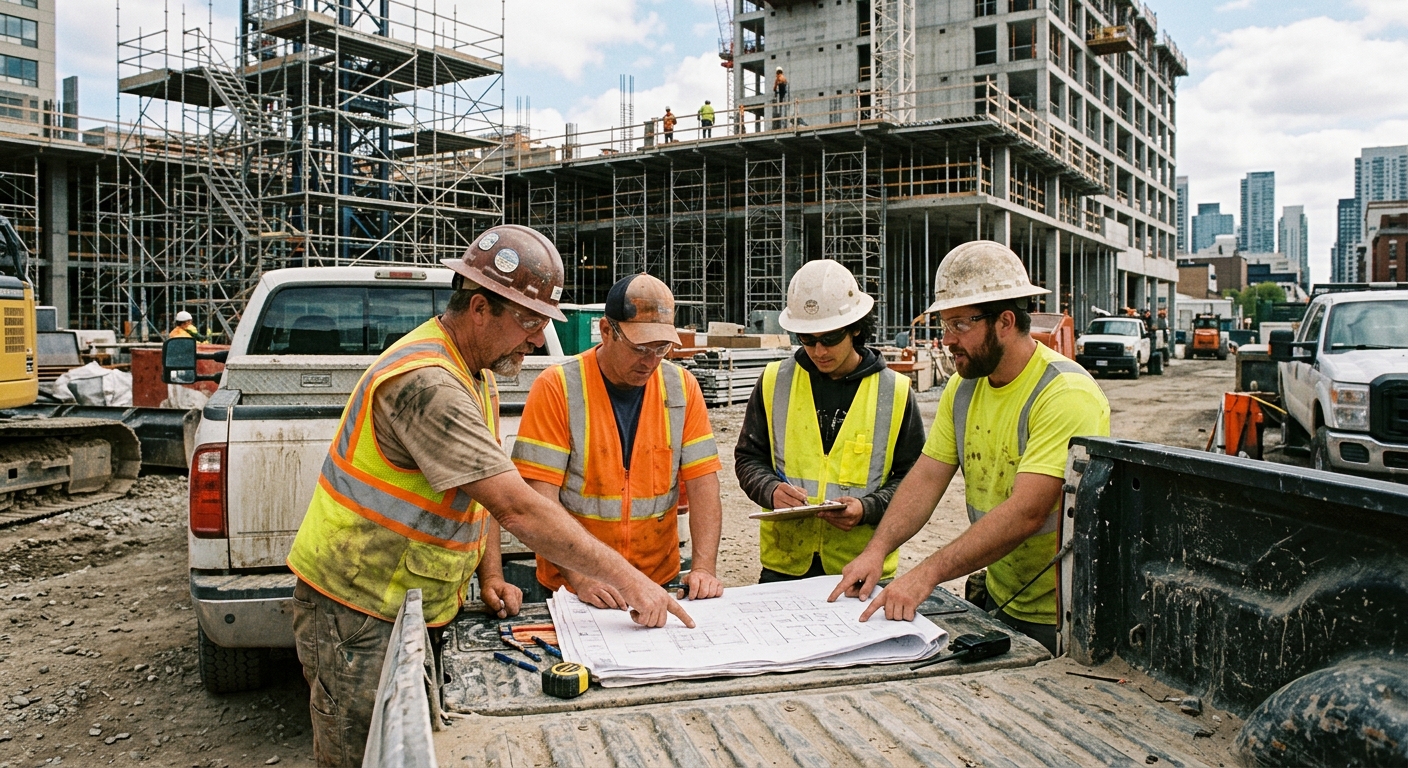
The rebound in job creation spans multiple employment sectors, including local government, hospitality, and manufacturing—industries that hold considerable sway in the Hawaii & Pacific regional economy. Construction firms are also experiencing renewed activity, with infrastructure projects offering both entry-level and skilled jobs to local applicants.
Long Term Unemployment and Future Outlook
While the region celebrates positive headline numbers in job growth, the issue of long term unemployment remains a challenge. Policymakers and community organizations are working together to improve job training and match job seekers to emerging sectors, including those powered by artificial intelligence. The continued push for inclusive economic policies is aimed at ensuring that all residents of Hawaii & Pacific benefit from the labor market’s recovery.
As the region navigates these transitions, the overall story of 2026 is one of resilience. Strong job creation and technological investment continue to propel Hawaii & Pacific forward, though uneven wage growth and persistent inflation remind local communities of the complexities underlying the labor market’s headline successes.