- calendar_today August 9, 2025
In 2025, renewed trade tensions between the United States and China are affecting economies worldwide. For Hawaii and the broader Pacific region, these developments carry distinctive implications. While much of the state’s economy centers on tourism, other vital sectors such as agriculture, shipping, and renewable energy also feel the ripple effects of tariff disputes and shifting trade policies.
The return of President Donald Trump and his administration’s aggressive trade stance has brought back tariffs on Chinese imports, sparking retaliatory actions from Beijing. Given Hawaii’s geographic location and reliance on imports and exports across the Pacific, understanding how these tensions impact local businesses and investors is crucial.
The 2025 Trade Landscape
In early 2025, the U.S. implemented a 54% tariff on a broad range of Chinese goods, including electronics, machinery, and consumer products. China responded with 34% tariffs on U.S. exports and restricted rare earth mineral shipments—key components for technology and defense industries.
China also lodged a complaint with the World Trade Organization, signaling a protracted dispute that adds uncertainty to global markets and supply chains.
Hawaii & Pacific Region: Economic Exposure
Although Hawaii’s economy is often viewed through the lens of tourism, other sectors are intricately connected to global trade.
Agriculture and Aquaculture
Hawaii exports products like coffee, macadamia nuts, and seafood to Asian markets, including China. Tariffs on U.S. agricultural goods have made these exports more expensive and less competitive, potentially reducing demand and revenue for local farmers and fishers.
Shipping and Logistics
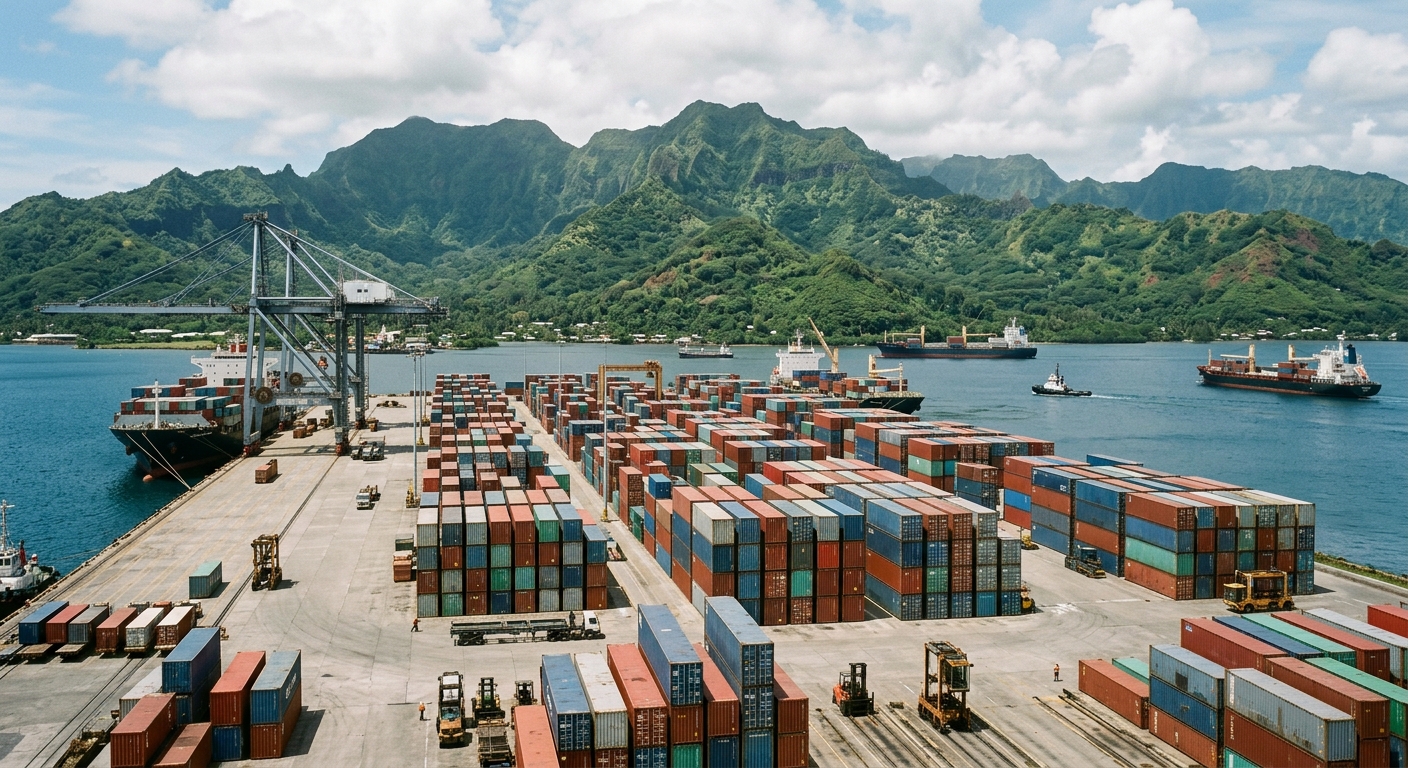
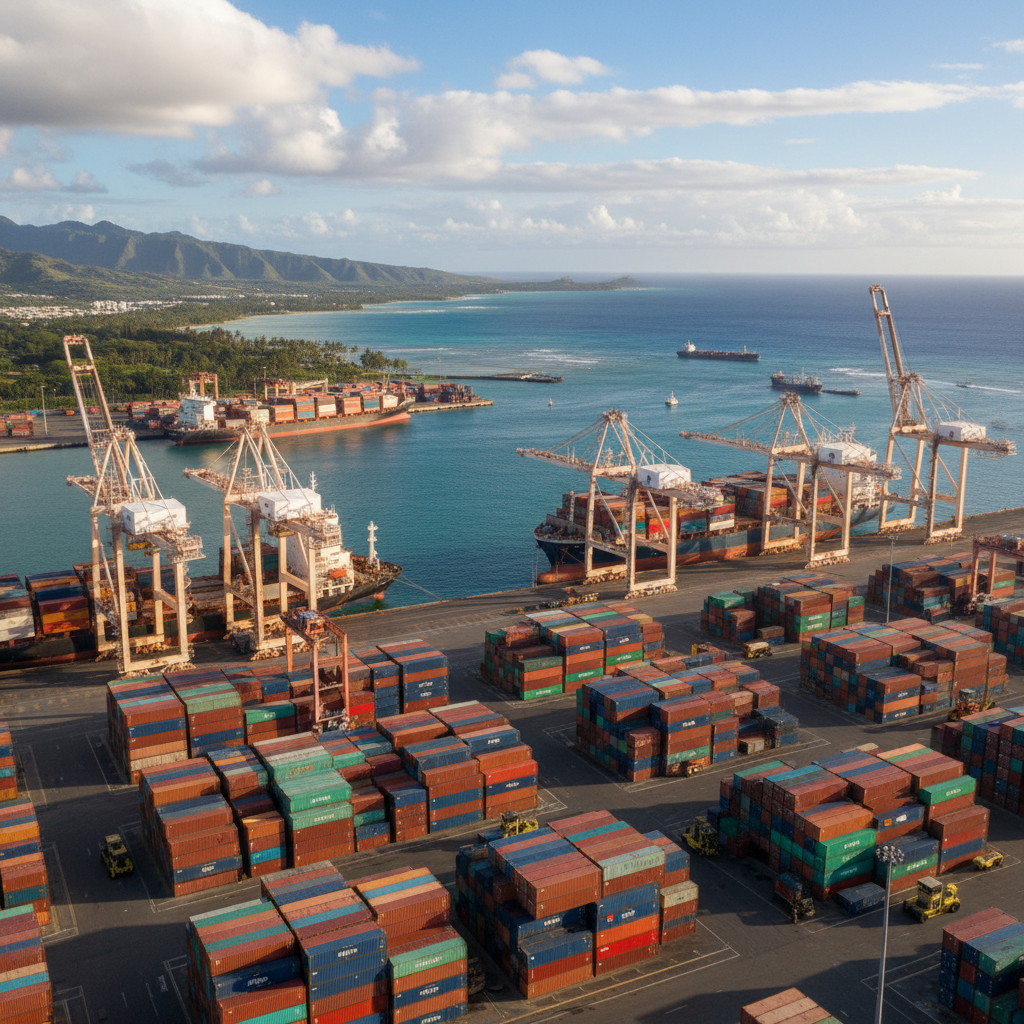
As a critical hub in Pacific shipping routes, Hawaii depends heavily on imported goods, many of which come through Chinese ports. Tariffs and trade disruptions can increase costs and cause delays in the supply chain, impacting everything from retail prices to construction materials.
Renewable Energy and Technology
The state is a leader in solar energy adoption and is investing in emerging technologies to reduce reliance on imported fossil fuels. Restrictions on rare earth minerals from China could delay solar panel and battery projects, raising costs for utilities and private developers.
Tourism Industry
While not directly tied to trade tariffs, tourism—a pillar of Hawaii’s economy—is sensitive to global economic shifts. Trade tensions can dampen consumer confidence worldwide, reducing travel spending and impacting hotel, restaurant, and entertainment businesses in the islands.
Investment Considerations for Hawaii & the Pacific
Given the trade uncertainty, investors in Hawaii and the Pacific region might consider these strategies:
- Diversify Portfolios Across Local and Resilient Sectors
Focus on investments less exposed to global supply chain shocks, such as local agriculture, sustainable energy projects, and infrastructure. - Explore Opportunities in Renewable Energy
Despite challenges, the region’s commitment to clean energy and energy independence may offer promising long-term investment avenues. - Monitor Shipping and Trade Policy Developments
Changes in tariffs and supply chains can impact logistics companies and import-dependent retailers, so staying informed is vital. - Balance Exposure to Tourism
While tourism recovery is ongoing, it remains vulnerable to broader economic swings. Diversifying holdings can protect against sector-specific downturns.
Trade tensions between the U.S. and China are complex and evolving. For Hawaii and the Pacific region, the challenge will be balancing local economic strengths with vulnerabilities linked to international markets. By staying informed, investing thoughtfully, and emphasizing regional resilience, investors can better navigate the uncertain waters ahead.