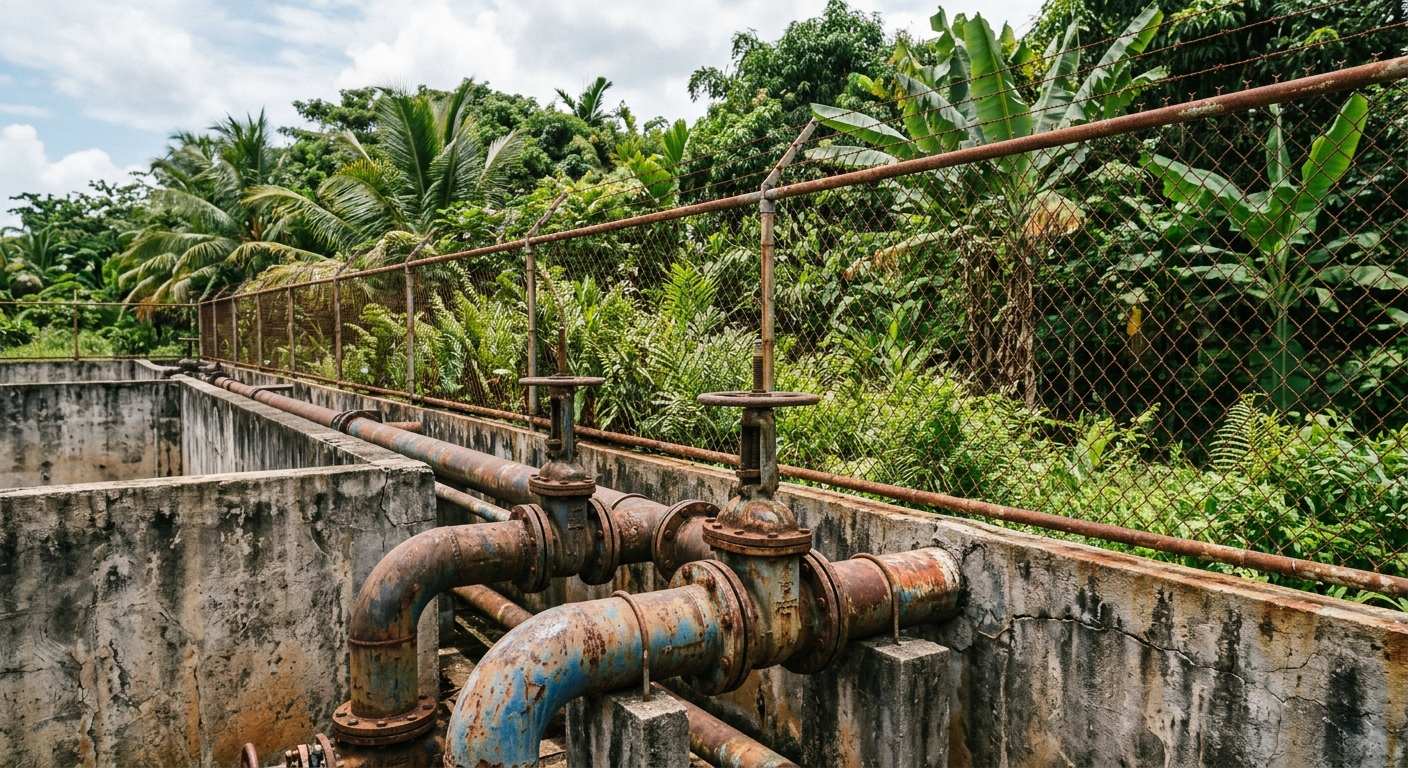
AI-generated illustration; not a photograph of the reported event.
- calendar_today November 23, 2026
Fuel Leaks Highlight Environmental Risks in Hawaiʻi
Hawaiʻi is grappling with the repercussions of two significant fuel leaks over the past five years, igniting concerns about environmental safety, public health, and government transparency. The incidents at the Navy’s Red Hill storage facility and the city-owned H-Power incinerator have prompted questions about whether effective lessons have been learned in leak prevention, detection, and public notification.
The Red Hill Disaster: Lasting Health Impacts
This week marked the fifth anniversary of the major fuel leak at the Navy’s Red Hill storage facility. In November 2021, approximately 20,000 gallons of jet fuel spilled into underground tunnels situated above Oʻahu’s primary drinking water aquifer. The spill contaminated the water supply for nearly 90,000 residents of Joint Base Pearl Harbor-Hickam, resulting in thousands of cases of illness. Some residents continue to experience health complications attributed to the exposure.
The events of Red Hill were exacerbated by delayed public notification. The Navy initially assured the public there was no risk to drinking water, despite internal knowledge of the spill. Verification of petroleum contamination only came days later, severely undermining public trust in both military and health authorities.
The H-Power Leak: A New Crisis Unfolds
Adding to the sense of déjà vu, the city-owned H-Power facility in Kapolei, operated by contractor Reworld, experienced a massive diesel leak totaling around 400,000 gallons—twenty times the volume of Red Hill. The fuel escaped from an underground pipeline from January through May, only coming to full attention recently. Honolulu Mayor Rick Blangiardi stated he only learned the magnitude of the incident earlier this week, with the public informed at a Thursday press conference.
While Ernie Lau, chief engineer of the Honolulu Board of Water Supply, stated that drinking water is not believed to be at immediate risk due to the distance and elevation of the nearest well, some city council members are demanding independent environmental testing and improved notification protocols. Questions linger about potential impacts to coastal areas, as some experts have voiced early concerns about possible shoreline contamination.
Challenges in Leak Detection and Accountability
Both incidents have exposed failures in leak detection systems. At Red Hill, fuel went unaccounted for months, contributing to the contamination crisis. Similarly, H-Power’s leak continued for months before being identified. In both cases, there have been calls for more robust fuel tracking and detection technologies, as well as inquiries into why monitoring protocols failed.
Accountability remains a contentious issue. Few military officials faced consequences after the Red Hill disaster—some received letters of censure, and two civilian employees currently face criminal charges of conspiracy and making false statements. There is now mounting pressure to determine responsibility for the H-Power incident, with the EPA already investigating under the Clean Water Act.
Transparency and Timely Notification: Lessons Still Being Learned
A critical lesson from Red Hill was the need for immediate public notification in events threatening health and environmental safety. The public continues to demand greater transparency, access to information, and timely updates. In H-Power’s case, delays in informing both city leadership and the public have sparked renewed scrutiny of protocols for disclosure.
Journalists and advocates argue that openness is necessary to maintain trust and to empower the public to hold decision-makers accountable. Recent reporting has uncovered past EPA and OSHA violations at H-Power, as well as historical audits highlighting oversight gaps in contractor management.
The Role of Public Engagement and Advocacy
The Red Hill crisis eventually led to widespread public protest and pressure that contributed to the U.S. Department of Defense’s decision to permanently close the facility. This outcome underscored the influence of community action, vigilant journalism, and persistent advocacy in effecting change.
In light of the H-Power incident, community members, journalists, and officials continue to seek answers about leak causes, environmental effects, and systemic reforms. Calls for more stringent oversight, transparent communication, and accountability are growing, as Hawaiʻi contends with the environmental risks posed by large-scale fuel storage and energy operations.
Source: civilbeat.org.