- calendar_today August 14, 2025
The real estate landscape across Hawaii and the Pacific Islands in 2025 is shaped by a unique mix of geographic constraints, tourism recovery, climate concerns, and evolving local demand. While interest rates have stabilized nationally, Hawaii’s high property values and limited land availability continue to influence investment strategy. In island territories like Guam and American Samoa, infrastructure development and federal support are playing an increasingly important role in real estate growth.
In a region where land is scarce and regulation tight, successful investors are aligning their portfolios with long-term behavior—how people live, travel, age, and work remotely. Seven sectors stand out in 2025, offering resilience and upside across Hawaii, Guam, and other Pacific islands.
Multifamily Housing: The Reliable Performer
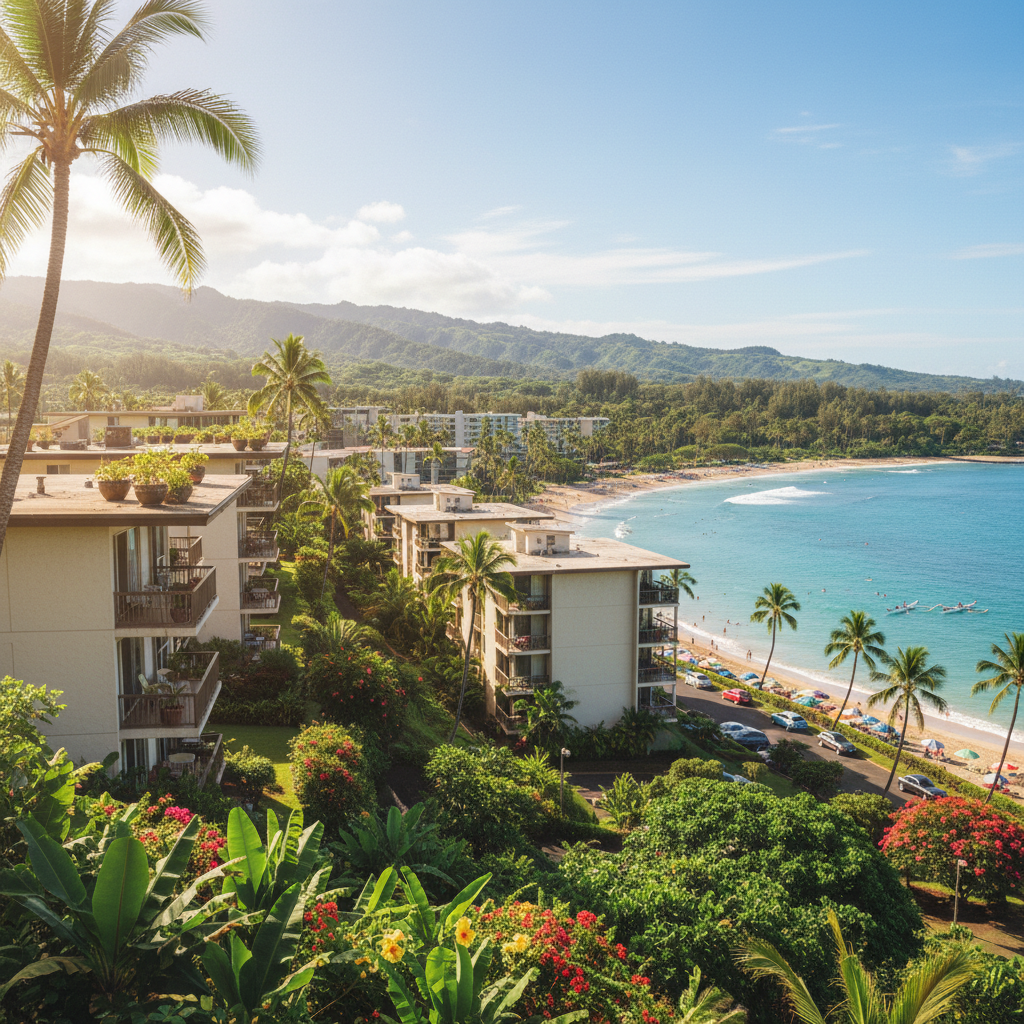
In Hawaii, especially on Oʻahu and Maui, multifamily housing remains one of the most in-demand asset classes. With homeownership out of reach for many residents due to limited inventory and sky-high prices, renters are staying longer. Class B and C apartment buildings in areas like Kapolei, Hilo, and Wailuku are seeing strong occupancy.
Mid-rise developments and build-to-rent townhome projects have become essential in regions facing housing shortages. For investors, these offer the potential for stable 3–4% rent growth annually, particularly when paired with sustainability features like solar and water conservation—key in island markets where utility costs are high.
Industrial Properties: Still a Growth Engine
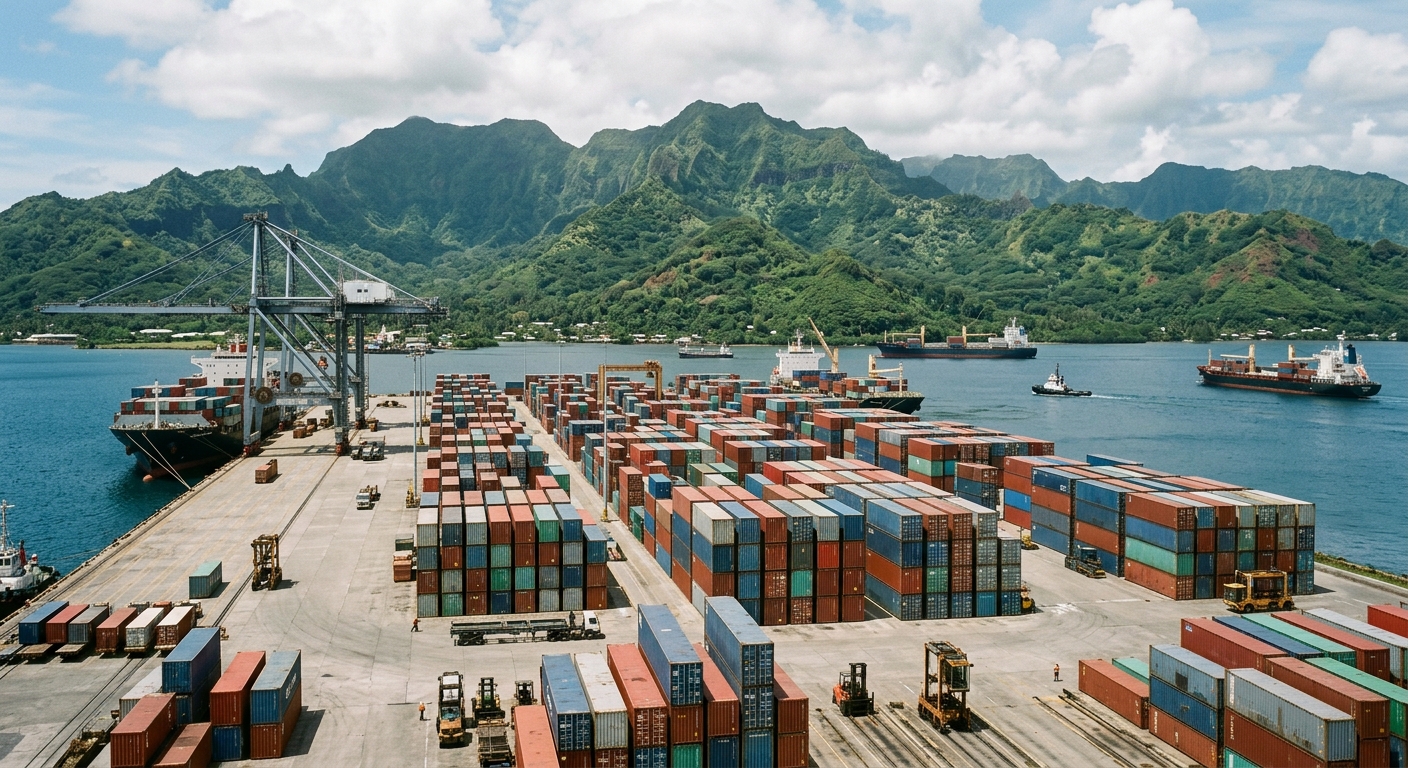
Though smaller in scale compared to mainland markets, industrial real estate in Hawaii and the Pacific is critical for supply chain functionality. Distribution hubs near Honolulu Harbor, cold storage facilities on Oʻahu, and logistics parks in Guam are experiencing a steady uptick in demand.
CBRE data indicates that industrial vacancy rates in Hawaii remain under 3.5%, with rental growth supported by ongoing demand for e-commerce warehousing, construction supply storage, and food distribution. Because everything from fuel to consumer goods must be shipped in, industrial space plays a strategic role. Investors are increasingly attracted to well-located properties near ports and airports.
Single-Family Rentals in Suburban & Island Markets
Hawaii’s suburban neighborhoods—such as those in Ewa Beach, Mililani, and parts of the Big Island—are seeing rising demand for single-family rentals (SFRs). With mortgage rates still elevated and inventory tight, many local families and remote workers are seeking flexibility in rental living.
Pacific island territories like Guam and Saipan are seeing similar trends, especially among U.S. military families and federal contractors stationed long-term. These properties tend to have low turnover and can offer strong yield potential, especially when situated near schools, health facilities, or U.S. bases.
Migration Trends: Remote Work & Military Influence
Migration patterns in Hawaii and the Pacific are driven by lifestyle preferences, military activity, and remote work. While the state continues to face net outmigration to the mainland, there’s a steady inflow of remote workers and retirees seeking quality of life—especially on neighbor islands like Kauaʻi and Molokaʻi.
Meanwhile, Guam and other Pacific islands benefit from a consistent population of government workers and defense-related personnel. Real estate development is responding by focusing on housing near military facilities and key employment hubs, with investors eyeing stable rental yields and long-term leases.
Mixed-Use Developments & Resort-Town Revivals
Tourist-driven areas such as Waikīkī, Lahaina (under reconstruction), and Kona are experiencing renewed interest in mixed-use projects as the tourism sector rebounds. Retail, short-term lodging, and multifamily units are being blended into walkable developments that cater to both residents and travelers.
Despite zoning complexities and high construction costs, developers are finding long-term value in revitalizing underutilized properties. In Guam, similar trends are emerging near Tumon Bay, where integrated developments are reshaping the urban fabric with hotels, condos, and retail in one footprint.
Niche Assets on the Rise: Senior & Student Housing
Hawaii’s senior population is growing rapidly, especially on Oʻahu and the Big Island. Senior living communities—ranging from independent units to assisted care—are drawing investment interest, with occupancy rates steadily increasing. Facilities designed around cultural sensitivity and multigenerational living are particularly attractive.
Meanwhile, student housing near the University of Hawaiʻi system (especially UH Mānoa and UH Hilo) is gaining traction. Investors are upgrading aging dorm-style units into modern, tech-equipped apartments with shared social spaces. In Guam, housing tied to UOG (University of Guam) is also benefiting from enrollment rebounds.
Risk Factors and Investment Cautions
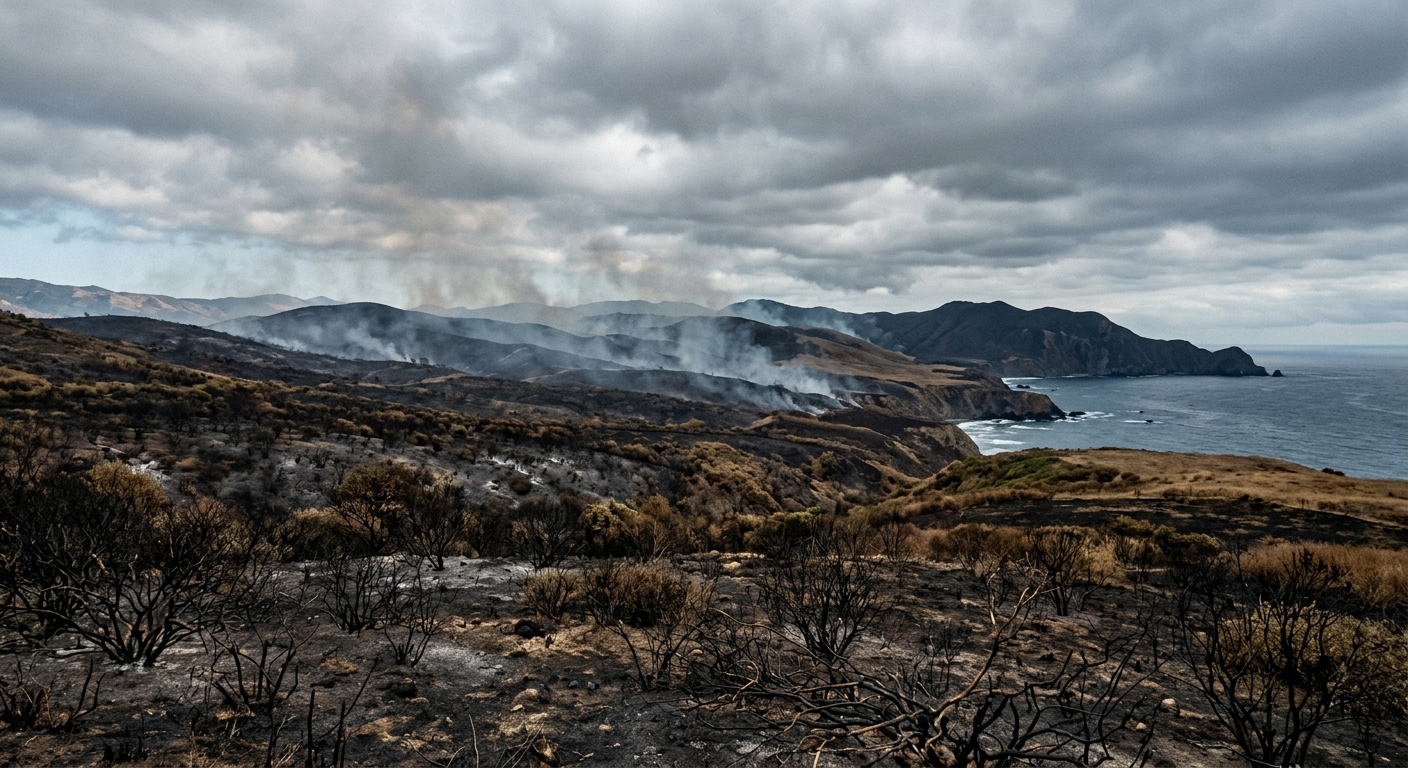
Investing in real estate across Hawaii and the Pacific comes with heightened climate and regulatory risks. Coastal flooding, hurricanes, and wildfires have raised insurance costs, particularly in high-risk zones near beaches and hillsides. Investors must consider resilience upgrades, including raised foundations, fireproof materials, and energy independence.
Zoning and permitting can be time-consuming and restrictive, particularly in environmentally sensitive zones or areas designated for native land use. Local opposition to overdevelopment remains strong, especially in rural parts of Hawaii. In Pacific territories, land tenure and title systems may also add complexity.
Interest rates, while stable, remain a drag on financing large-scale development. However, cash buyers and institutional players with long timelines are finding success through partnerships with local governments and community organizations.
Expert Insight: What the Analysts Say
“Real estate investors in Hawaii and the Pacific must think long-term and locally,” says Lauren Bellingham, senior economist with CBRE. “Whether it’s senior housing in Hilo or logistics space in Guam, the winners are those who understand the nuances of island economies.”
Redfin’s 2025 Housing Trends report notes that investor performance in this region hinges on three themes: scarcity, sustainability, and service sector employment. The challenge isn’t demand—it’s execution within narrow regulatory lanes and physical constraints.
Strategic Diversification is Key in 2025
In a region defined by limits—land, labor, logistics—the best investment strategies are built around adaptability and diversification. Multifamily housing offers resilience amid housing shortages. Industrial space is essential to island economies. SFRs are booming in outer-suburb and military-adjacent communities. Mixed-use developments are catching tailwinds from tourism and remote work trends. Senior and student housing are quietly becoming cornerstones of local portfolios.
Precision in location, strong community ties, and cultural sensitivity are essential in Hawaii and the Pacific. Investors who embrace these values—alongside strategic diversification and sustainability—will be better positioned to thrive in 2025 and beyond.