- calendar_today July 9, 2026
Hawaii & Pacific — A landmark study has found that amazon plants crucial to Indigenous communities across the Amazon rainforest face a serious threat from climate change, raising concerns for cultural heritage and global biodiversity. The research, recently published in Nature, reveals that approximately 30% of plant species used by local peoples could be lost due to rising temperatures and shifting precipitation patterns, a warning that resonates far beyond South America to regions like Hawaii & Pacific where plant ecosystems are deeply valued.
Amazon Rainforest at a Pivotal Crossroads
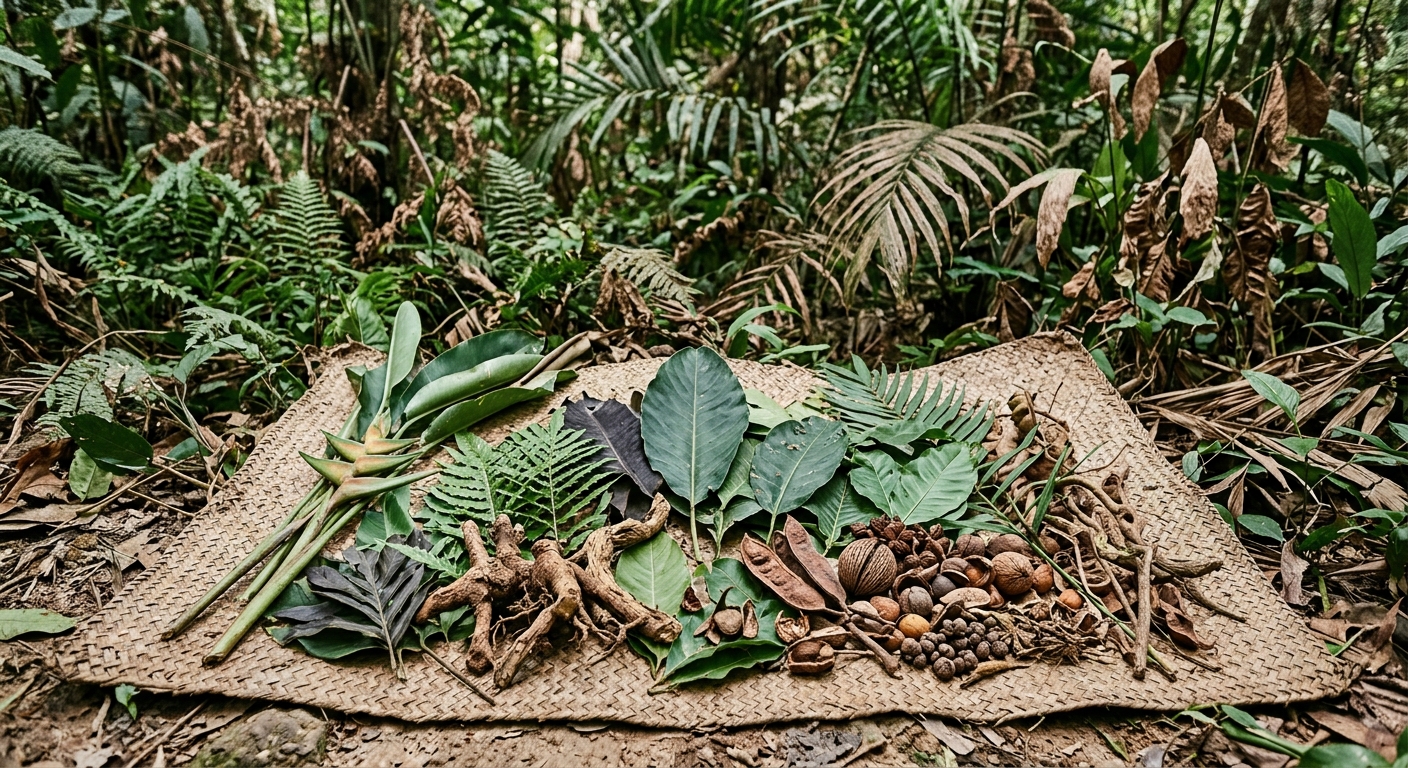
Researchers behind the study conducted an extensive survey, cataloging over 5,800 plant species with vital uses across 82 Indigenous societies in the Amazon rainforest. These indigenous plants form the backbone of daily life, serving as food, traditional medicine, materials for rituals, and more. Many species, including yoco, ibapichuna, and wingimonkawe, are uniquely entwined with the cultural identities and practices of amazon indigenous communities.
Escalating Climate Change Threatens Unique Flora
The study brings new urgency to the conversation around climate change. Even as global leaders pursue emissions reductions, the Amazon region’s lowland forest faces persistent heat and harsher droughts—conditions with few options for plant species to migrate or adapt. This creates a clear biodiversity threat, putting both common and niche plant varieties in jeopardy and increasing amazon climate risks with every year of inaction.
Indigenous Voices Witness Environmental Shifts
Testimonies from groups like the Shuar and Ikpeng, who have inhabited the forest for centuries, underline the real-world impacts. Community members report noticeable climate impact on plants, from irregular seed production to altered flowering and growth cycles. These observations support the scientific findings and highlight the intricate connection between plant conservation and the livelihoods of those living within the rainforest.
Potential Loss Extends Beyond the Amazon
While the study’s immediate focus is on the Amazon, the message holds significance for regions such as Hawaii & Pacific, where plant species loss similarly threatens cultural continuity. Traditional knowledge, including the role of indigenous plants in healing and ceremony, is increasingly at risk when environmental factors disrupt the delicate balance of native ecosystems. The potential loss of plants also means foregone opportunities for future discoveries in traditional medicine and nutrition science worldwide.
Efforts to Safeguard Cultural and Biological Heritage
Recognizing the scale of the challenge, Indigenous communities and researchers are stepping up plant conservation initiatives. These include reviving ancestral cultivation techniques and working collaboratively to restore native species in affected areas. Such efforts are aimed at building resilience against the advancing impacts of climate change and at preserving a trove of traditional knowledge before it disappears.
Call to Action: Protecting the Amazon’s Vital Diversity
The study’s findings highlight the urgency of protecting both natural and cultural treasures in the Amazon and comparable regions. As policies on climate change evolve, the voices of amazon indigenous communities must remain central in discussions about mitigation and adaptation. Sustaining the ecological and cultural utility of amazon plants is paramount not just for those living in the forest, but for global society as it seeks to preserve and learn from the planet’s irreplaceable biodiversity.