- calendar_today June 14, 2026
Hawaii & Pacific – A notable shift among blue collar voters is emerging as a crucial issue ahead of the 2026 midterm elections, raising concerns for Republican prospects in this traditionally pivotal demographic. Recent polling across the region and nationwide highlights growing dissatisfaction among the white working class regarding the handling of the economy, threatening to reshape political dynamics as candidates from both parties prepare their electoral strategies.
Blue Collar Voters and Changing Political Allegiances
Long regarded as a bedrock of Republican support, blue collar voters—many of whom are members of the white working class—are expressing increasing unease over economic handling by former President Donald Trump, who remains highly influential among republican voters. This trend has become pronounced in areas such as Hawaii & Pacific, where fluctuating local economies and external pressures have intensified the conversation among regional communities.
Economic Concerns Dominate Voter Sentiment
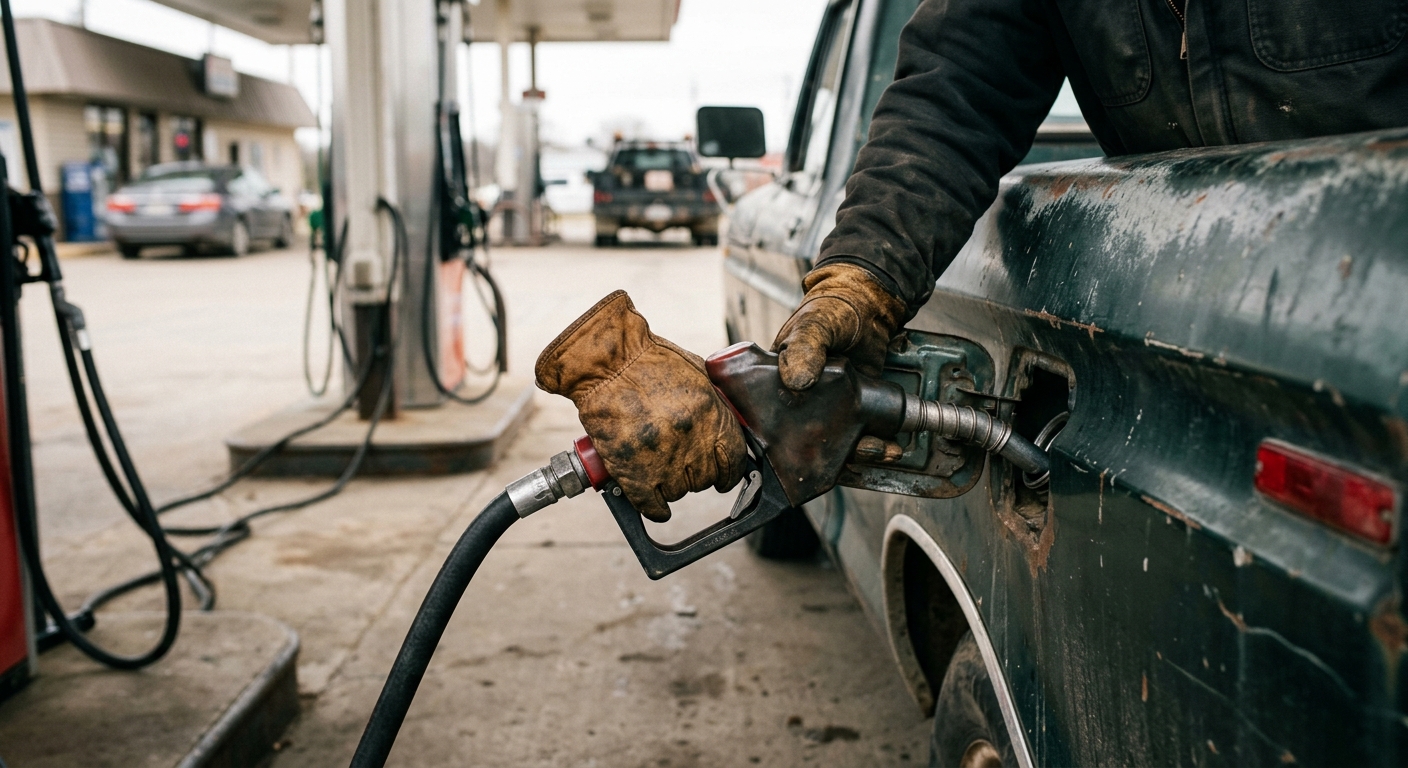
The primary driver of this disaffection stems from persistent challenges with the cost of living, including inflation impact on essentials like gas and groceries. The rising expenses are often cited by voters as a central factor influencing their changing attitudes. While the Trump administration’s supporters highlight previous tax cuts as evidence of positive economic management, an increasing number of blue collar voters—particularly those without college degrees—now view these measures as insufficient amid ongoing economic stress.
Declining Approval Ratings and the 2026 Context
Recent surveys have shown a sharp decline in trump approval among white working class voters. Where margins once reflected widespread support, polling now indicates disapproval rates that exceed approval by as much as 30 points among certain demographic segments. With the 2026 elections approaching, this erosion poses unique risks for Republicans, especially in Hawaii & Pacific districts where the electorate has historically leaned on economic issues for candidate selection.
Democratic Strategy Targets Working-Class Discontent
This shifting landscape is not lost on Democratic strategists. While Democrats continue to face challenges repairing their image with rural and blue collar voters, their 2026 strategy increasingly focuses on addressing cost of living concerns and presenting alternatives to the Republican economic approach. The democratic strategy includes targeted outreach in rural states and communities such as those in the Hawaii & Pacific region, leveraging the dissatisfaction with inflation impact and the perception that economic opportunities have not sufficiently improved.
Broader Implications for National and Regional Races
The significance of these trends for the upcoming midterm elections cannot be understated. With several key districts in Hawaii & Pacific considered battlegrounds, a sustained shift among blue collar voters may influence control not only in the U.S. House of Representatives but also the Senate. Republican voters are being urged by party leaders to reconnect with their core constituencies and recalibrate messaging around inflation, economic handling, and cost of living. Conversely, Democratic contenders view the current climate as an inflection point for gaining ground among voters traditionally outside their coalition.
Regional Stakeholders and Community Impact
Local institutions in Hawaii & Pacific, including labor unions and small business groups, are closely monitoring the evolving sentiments. Many community leaders emphasize the importance of direct engagement with working-class residents and propose policy discussions that tackle economic uncertainty head-on. As both parties craft their pitches leading up to the 2026 elections, the voice of blue collar voters is expected to hold considerable sway in determining the future political direction of the region.