- calendar_today August 12, 2025
Companies and Investors Throughout the Pacific Region Gauge Changes in the Market
Introduction
The Pacific region that comprises important economic centers such as California, Washington, Oregon, Hawaii, and Alaska is welcoming President Donald Trump’s new trade policy directions enthusiastically. A new round of tariff actions and renegotiation of major trade deals is motivating corporate decision-makers, investors, and local politicians to thoroughly consider the long-term implications of broader economic growth, labor markets, international trading partners, and investor climates.
These policy reforms are of special interest for Pacific nations blessed with extensive trade relations with Asian-Pacific economies and marked by high-tech manufacturing, agriculture, tourism, shipping, and logistics industries. While the new policies are being crafted, regional interests are trying to appreciate both the short-run dislocations and longer-term realignments to be adopted in order to ensure enduring economic stability.
Market Reactions: Business and Investor Sentiment
Trade policies implemented under the presidency of Donald Trump have been met with mixed responses from commercial and financial circles in the Pacific region.
Stock Market Volatility: Investors are coping with higher market volatility as trade uncertainty sends waves through the equities and commodities markets. Silicon Valley in California and Seattle’s technology community have some firms faced with changes in valuations linked to issues of global supply chains and access to foreign markets.
Manufacturing and Trade: The Pacific region’s manufacturing base, especially in aerospace, technology, and agriculture, is preparing for potential supply chain shortages and rising production costs in the face of tariffs levied on foreign equipment, raw materials, and parts.
Tourism and Consumer Spending: Being primary entry points for foreign visitors and commodities, tourism-oriented economies in Hawaii and California are exposed to lower foreign visitor arrivals and increased consumer prices resulting from pricier imports.
Dramatic Trade Policy Changes and Their Implications
The new emphasis on “America First” trade policies by Trump brings about a series of changes that could possibly redefine the economic fate of the Pacific.
Tariff Adjustments: Tariff increases on imports of major trading partners like China, Japan, and South Korea may raise Pacific-based manufacturers’ input costs from electronics to wine production. Tariffs may also trigger retaliations, hurting regional exporters.
Modified Trade Agreements: Renegotiation of or withdrawal from trade agreements such as the Trans-Pacific Partnership (TPP) and modifications of the U.S.-Mexico-Canada Agreement (USMCA) have changed the manner in which Pacific economies engage with global markets, seemingly to the detriment of industries reliant on international supply chains and foreign markets.
Economic and Policy Allocations: Pacific state governors and business leaders are exploring regional cooperation, subsidies, and incentives to protect Pacific region firms from the worst effects of federal trade policy realignment.
Economic Experts Weigh In
Top-level economists and business executives are examining the effect of trade policy realignment in the Pacific region.
Corporate Strategy Changes: Automotive, aerospace, and technology firms are considering diversifying sources, creating domestic substitute supplies, or moving parts of their businesses abroad to reduce vulnerability to tariffs.
Retail and Consumer Products: Food chains and consumer electronics stores with heavy dependence on imported products are alerting customers to future price hikes and possible sales volume drops.
Investment Strategies: Portfolio managers and financial planners are rebalancing investments to reduce exposure to risks in foreign trade, generally by selecting domestically focused stocks or other investments when there is increased geopolitical tension.
Impact on Sectors of Primary Interest
The Pacific region’s economy spans a wide range of industries, each with its own limitations and possibilities in the new trade environment.
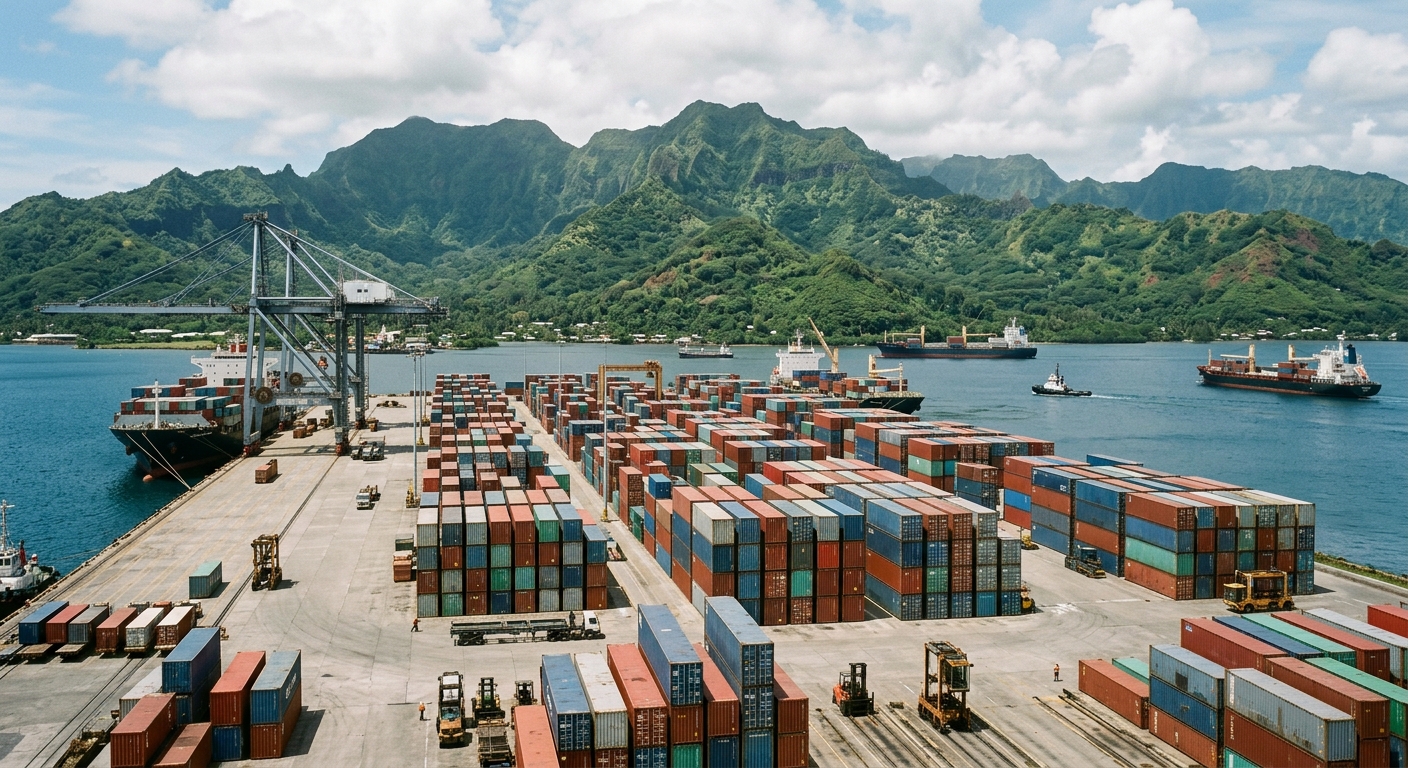
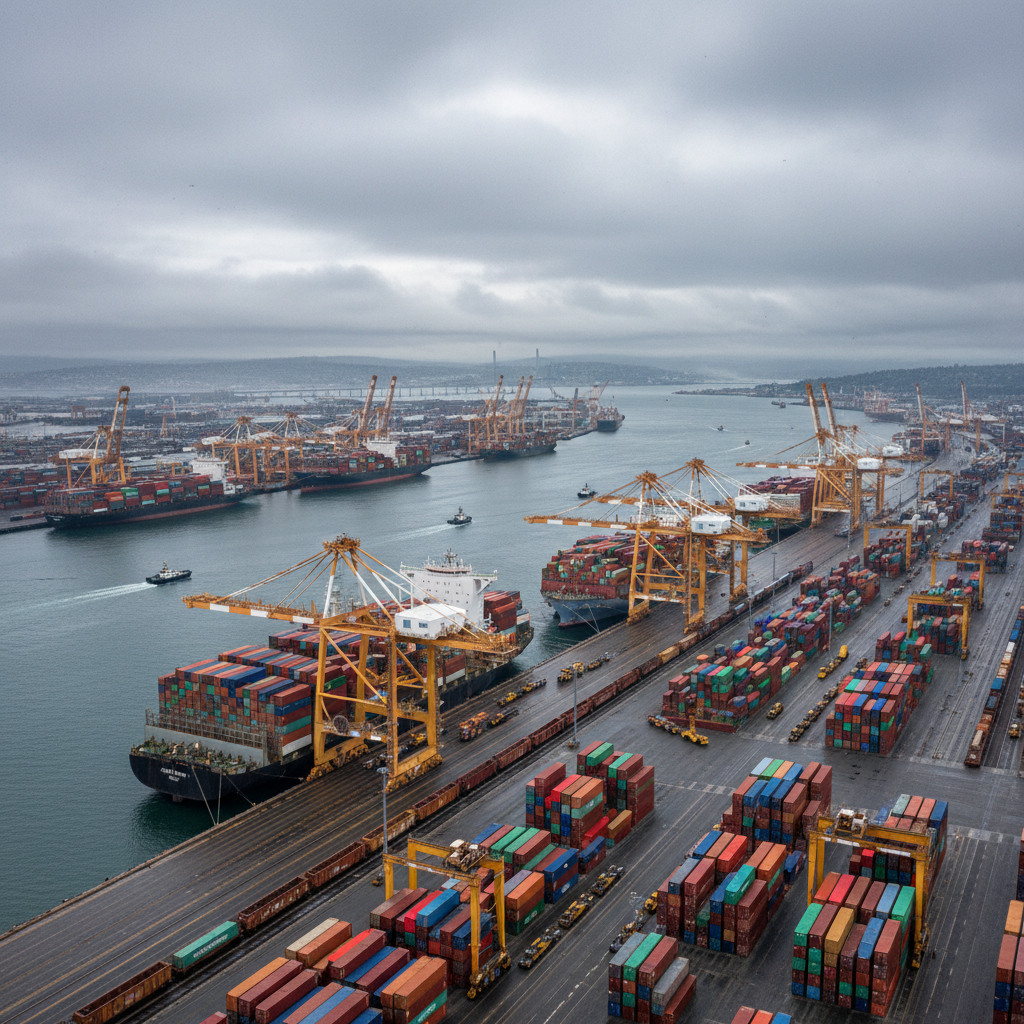
Technology and Logistics: Bay Area and Seattle technology leaders are reevaluating product pipelines and global market strategies as a cost factor increases and export conditions tighten. The same applies to West Coast ports, where changing volume patterns stem from alterations in trade routes.
Tourism and Hospitality: Hawaii and coastal California are among the states most dependent on foreign tourism. A combination of increased cost of travel and diminished purchasing power for foreign visitors may affect hotel, restaurant, and retail sales.
Retail and E-Commerce: Pacific-based e-commerce companies and big-box retailers are facing higher operating expenses and uncertain delivery schedules, raising concern regarding customer satisfaction and profitability.
Agriculture and Wine Exports: California’s agricultural and wine industries, which ship massive volumes of produce to Europe and Asia, are at risk of debilitating tariffs and access to markets, which has troubled farmers and trade groups.
Looking Ahead: Economic Trends and Business Strategies
As companies and investors adjust, some key trends and strategic factors will probably influence the economic trajectory of the region:
Inflation and Pricing: Increasing input and consumer goods prices may spur localized inflation, impacting everything from grocery costs to housing in already expensive cities such as San Francisco and Los Angeles.
Global Trade Relationships: Pacific states have traditionally had strong cross-Pacific trade relations. Deterioration of these relationships would compel regional governments to seek autonomous trade alliances or collaborate more intensely with federal agencies to maintain economic access.
Stock Market Adjustments: Stock price volatility, and especially in exposed global sectors, are likely to continue until stronger policy directions emerge. Investors wait for upcoming elections or federal bargains to note the next advance in trade approach.
Innovation and Adaptation: In spite of adversity, the Pacific remains at the center of innovation. Companies are likely to accelerate the adoption of automation, AI, and local manufacturing procedures as part of longer-term efforts to address trade headwinds.
Conclusion
The Pacific nation is at an economic crossroads as it confronts the changed environment that stems from Donald Trump’s trade initiative. Although some sectors could fare better under protectionist policies leaning towards local output, most face rising costs, falling competitiveness, and changing worldwide realities.
Over the next few months, business resilience and adaptability and policymaking for the future in the regions will be critical to sustaining economic momentum. Through innovation, looking for new trade connections, and strategy rewriting, the Pacific region can weather these turbulent times and continue to be a vital driver of the U.S. economy.