- calendar_today July 14, 2026
In Hawaii & Pacific, the issue of opihi poaching has reignited longstanding tensions between cultural tradition and contemporary conservation. A recent case involving the illegal harvesting of over 4,000 opihi from the protected kaupulehu marine reserve on hawaii island has placed the spotlight on struggles to balance marine resource protection with respect for heritage.
Protected Waters Breached in No Take Zone Incident
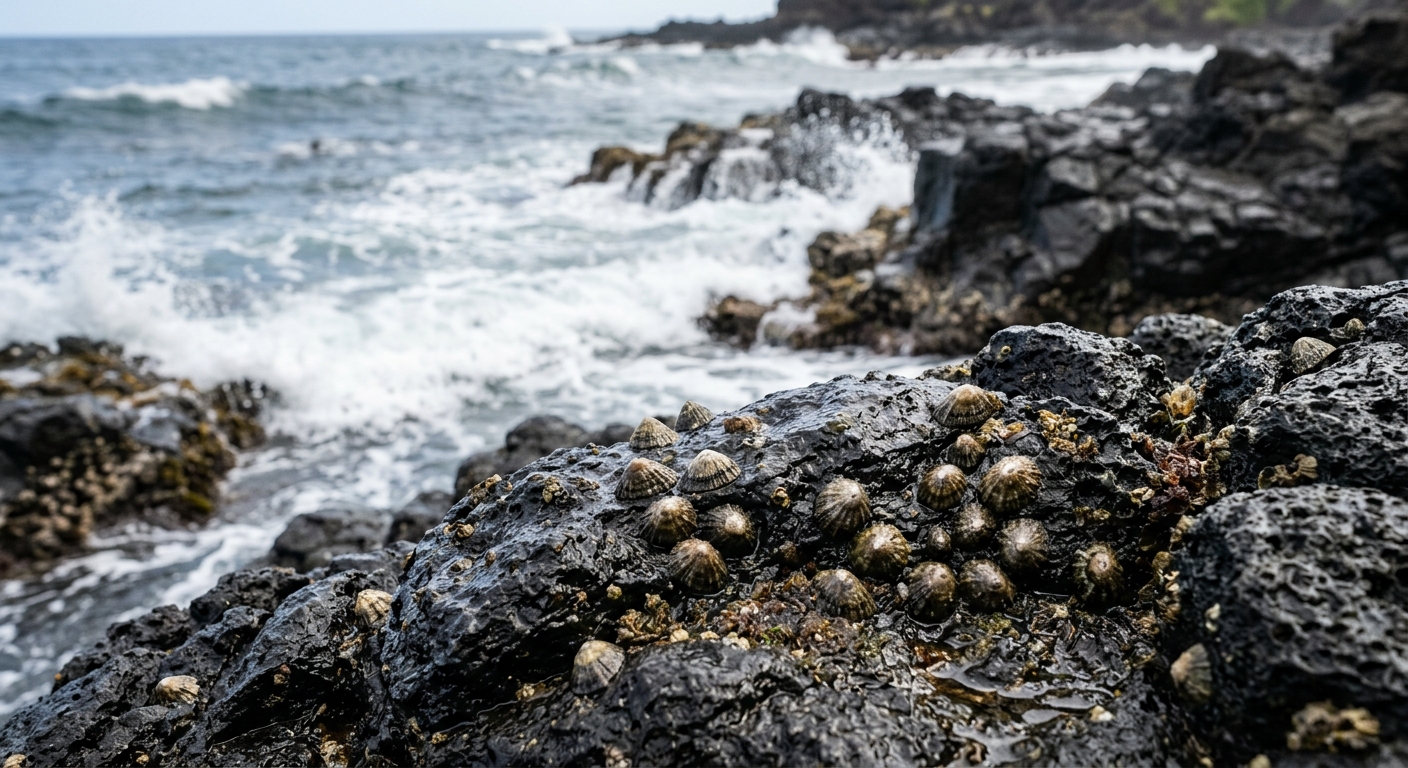
Authorities reported that three individuals entered the no take zone at Kaupulehu Marine Reserve, an area explicitly closed to fishing and the collection of marine life. The group illegally harvested more than 4,000 opihi, a prized Hawaiian limpet fundamental to local cuisine and culture. Resource officers with the division of aquatic resources apprehended the men, but criminal charges were ultimately dropped due to a prosecutorial technicality.
From Potential Prison Time to Substantial Fines
Although the criminal case did not advance, the men faced administrative penalties. The initial per-opihi fine of $1,000 was considered excessive by DAR officials, leading to a downward revision. The final calculation invoked agency guidelines, resulting in fines totaling $46,186.23—apportioned equally among the three individuals, or just over $15,000 each. Community members voiced opinions on the appropriateness of these fishing fines, with some demanding stiffer consequences to deter future illegal harvesting.
Cultural Impact and the Need for Clarity
The individuals involved stated their actions were unintentional, explaining they believed their harvest followed customary practice, and cited unclear signage as the reason they did not realize they had entered a protected area. Their defense underscores the enduring significance of opihi gathering in Native Hawaiian traditions. Community leaders and advocacy groups, like Hui Kahuwai, acknowledged the cultural impact but also highlighted the irreversible harm such acts pose to fragile marine populations and resource recovery.
Balancing Marine Conservation with Community Enforcement
Local stakeholders remain divided on the efficacy and fairness of enforcement measures. Some argue that stronger community enforcement would safeguard resources, while others stress educational initiatives and community service as more effective interventions. Enforcement agencies, conservation groups, and residents have called for better signage and clearer communication to prevent similar incidents and foster widespread understanding of marine resource protection.
Path Forward: Settlement and Solutions for Marine Resource Protection
The Board of Land and Natural Resources is currently engaged in settlement discussions with the parties. Potential outcomes could include reduced fines, mandatory community service, or educational outreach about the importance of marine conservation. An update from the board is expected in September, and many in the region will be watching for implications to broader conservation efforts.
Conservation, Tradition, and Accountability in Hawaii & Pacific
This opihi poaching incident exemplifies the delicate balance faced by Hawaii & Pacific communities as they strive to honor cultural practices while enforcing modern conservation laws. Local officials and organizations reiterate the necessity of both protecting Hawaii’s unique marine ecosystems and nurturing respect for cultural traditions. The case is sparking calls for improved collaboration between state agencies and community groups to ensure that Hawaii’s natural heritage—and its cultural legacy—are preserved for future generations.