- calendar_today April 8, 2026
How Holistic Education Transformed My University Journey
Imagine walking into a university filled with not just academic opportunities but also emotional, social, and personal growth avenues. This is the experience that students at TAIE International Institute frequently recount. Through holistic education approaches, their university journeys became transformative, enriching their lives far beyond textbooks and lectures.
Understanding Holistic Education
Before diving into personal stories, let’s define what holistic education really means. Unlike traditional educational practices that focus primarily on academic performance, holistic education acknowledges multiple dimensions of a student’s development—intellectual, emotional, social, and even spiritual. It promotes critical thinking, creativity, and self-reflection, allowing you to explore your passions while learning essential life skills.
The Basics of Holistic Approaches
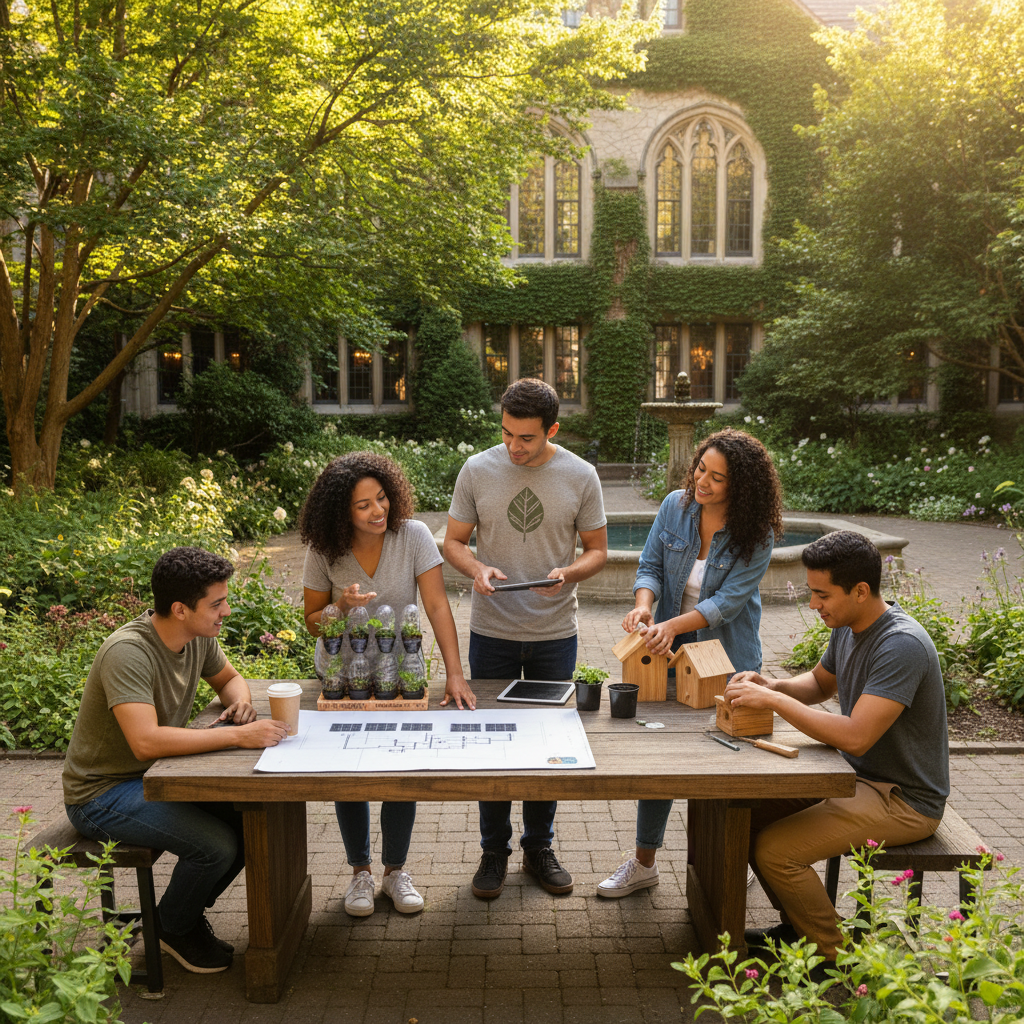
Holistic education settings foster environments where cooperation rather than competition flourishes. You’ll often find project-based learning experiences incorporating real-world issues, encouraging you to think deeply about your role within the community and world. Picture engaging with fellow students not just as peers but as co-creators of knowledge. This system nurtures a sense of belonging, making university a more enjoyable and fulfilling experience.
Personal Stories: From Struggles to Triumphs
Let’s move on to some compelling personal narratives that showcase the benefits of holistic education. These stories come from students who navigated various challenges during their university journey, each revealing how holistic practices facilitated their successes.
Maria’s Journey: From Anxiety to Empowerment
Maria, a finance major, was initially overwhelmed by the competitive atmosphere of her university. The pressure to excel academically exacerbated her anxiety. However, upon discovering TAIE’s holistic education approach, she immersed herself in wellness workshops and mindfulness sessions offered on campus. “These experiences changed my life,” she reflects. Maria credits holistic education with teaching her stress management techniques. Through meditation and peer support groups, she transformed her anxiety into empowerment, enabling her not only to thrive academically but also to contribute to her community by leading student wellness initiatives.
James’ Transformation: Finding a Sense of Purpose
While studying environmental science, James felt lost during his first year. Conventional lectures failed to inspire him, and he struggled to see how his education aligned with his passions. However, through a project-based learning class focusing on sustainability, he partnered with local businesses to develop eco-friendly solutions. “This hands-on experience allowed me to see my impact,” he says. The holistic approach energized his studies and ignited a passion for environmental advocacy, turning a once-disheartened student into a dedicated activist.
The Practical Benefits of Holistic Education
It’s not just anecdotal evidence that supports the effectiveness of holistic education; various studies have shown tangible benefits. According to research from the Institute for Educational Leadership, students engaged in holistic educational practices often score higher in problem-solving and interpersonal skills compared to their peers in traditional settings. These skills are essential in today’s job market, allowing you to stand out as a well-rounded candidate.
Employability and Soft Skills
Employers increasingly seek candidates with strong communication, teamwork, and adaptability skills. Holistic education prepares you comprehensively for a rapidly changing workforce. Graduates emerge not solely with degrees but with life experiences—sharpened critical thinking abilities, resilience, and a genuine understanding of interpersonal dynamics.
Engaging with Community: A Holistic Approach
Holistic education also emphasizes community engagement, fostering social responsibility. Programs that encourage students to partake in community service, internships, or study abroad experiences allow you to apply your knowledge in real-world contexts, further enhancing your learning and personal growth.
Building Long-Lasting Connections
For instance, through TAIE’s community partnerships, students engage with local organizations, enhancing their academic learning. These engagements create a network of support and friendships that last beyond graduation. “My university connections have turned into lifelong friendships,” says Sarah, who participated in multiple community outreach programs. These relationships not only enriched her university experience but also paved the way for future career opportunities.
Tips for Making the Most of Holistic Education
Now that you’ve seen how holistic education can reshape your university experience, here are some practical steps to maximize your journey:
- Get Involved: Join clubs and organizations that align with your interests. This helps cultivate both skills and friendships.
- Seek Mentorship: Leverage faculty and university resources to find mentors who can provide guidance and support.
- Utilize Wellness Resources: Make use of mental health services, mindfulness programs, and counseling services offered by your university.
- Embrace Diversity: Engage with peers from different backgrounds to broaden your perspective and understanding of the world.
Conclusion: Your Holistic Journey Awaits
The journey through university is not merely about acquiring knowledge but about personal and social growth. Through holistic education, you transform challenges into triumphs, gain essential life skills, and forge lasting friendships. As success stories from TAIE International Institute illustrate, it’s all about unlocking the full potential within you. Are you ready to embark on your own transformative journey?