
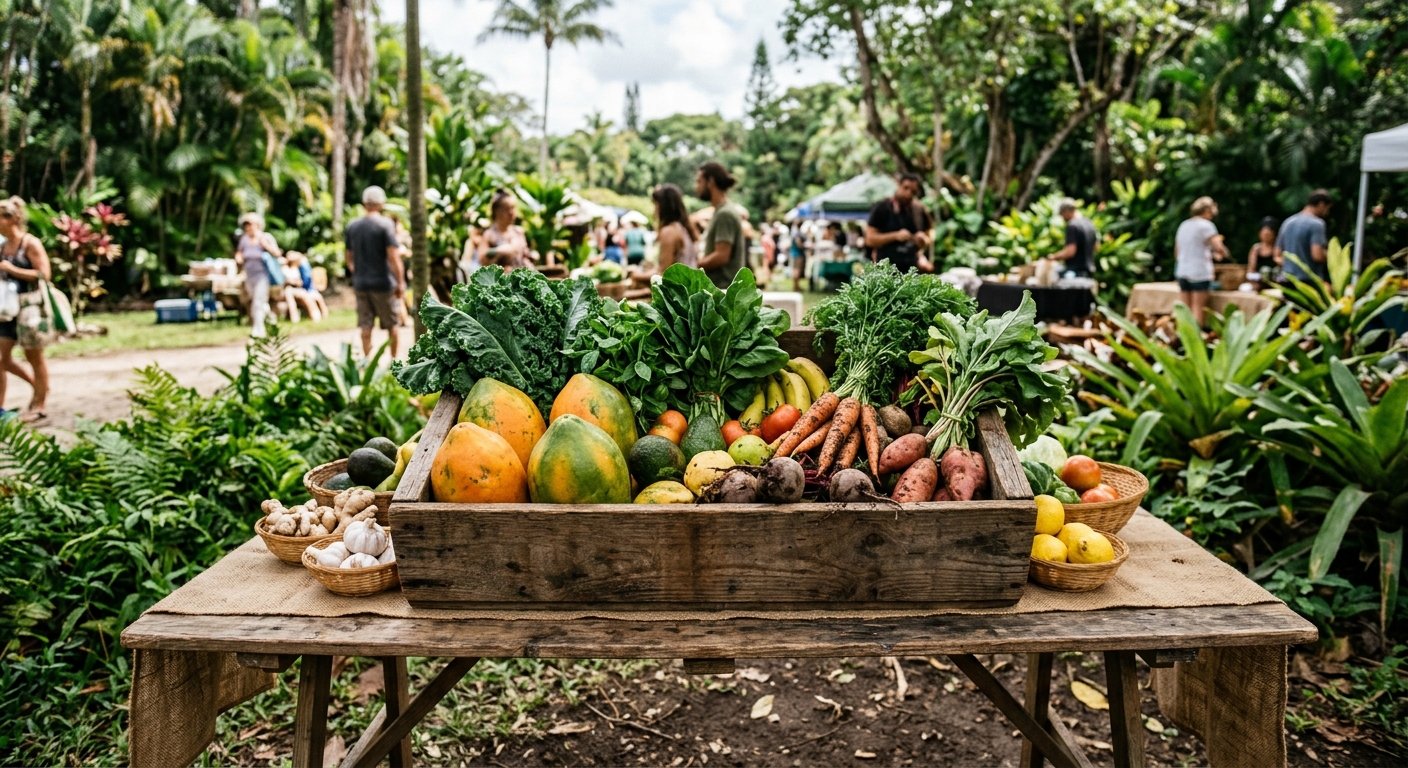
AI-generated illustration; not a photograph of the reported event.
- calendar_today November 9, 2026
Food Security Fund Wins Overwhelming Voter Approval
Honolulu voters have given strong approval to a charter amendment establishing a dedicated food security fund, signaling a new chapter in the city's efforts to address widespread hunger and food insecurity on Oʻahu. Advocates, city officials, and experts now face crucial choices about deploying the anticipated $8 million per year drawn from property tax revenues, nearly matching the annual food purchasing budget of the Hawaiʻi Foodbank, which submitted the proposal.
Fundamental Questions: Existing Efforts or New Strategies?
The passage presents the city with a pivotal decision: should the new funding amplify current hunger relief programs, or does it represent an opportunity to pioneer innovative food access initiatives? The fund is designed to support efforts that connect those in need with locally produced foods as well as to bolster emergency food support when disasters strike. One in four Oʻahu residents experiences food insecurity, and about 165,000 people are regularly skipping meals due to financial constraints, according to Hawaiʻi Foodbank data.
Expert Perspectives: Targeting and Tracking Impact
Economist Ruben Juarez of the University of Hawaiʻi Economic Research Organization points out that while $8 million is significant, it is not enough by itself to resolve food insecurity, but could lead to substantial progress if used strategically. Juarez recommends targeting the most vulnerable groups—such as kūpuna (elders) and families with children—through programs like the federal Supplemental Nutrition Assistance Program (SNAP) and local health care providers. He believes monitoring outcomes, such as reductions in skipped meals and increased reliability of assistance, will be key. Working through established food assistance programs and partners could reduce bureaucratic costs and provide effective models, like the Da Bux program, which offers discounts to SNAP participants buying local produce.
Guidance from the Oʻahu Food Systems Action Plan
The fund’s creation coincides with the release of the Oʻahu Food Systems Action Plan by the city’s Office of Climate Change, Sustainability, and Resiliency. This plan outlines a strategic approach for the next five years, focusing on increasing access to food, supporting local production, and helping food businesses grow. Amanda Shaw of Agriculture Stewardship Hawaii and Daniela Spoto of Hawaiʻi Appleseed both see the fund, alongside the action plan, as a way to provide resources to previously underfunded priorities, including local farmers and equitable food distribution.
Decision-Making and Oversight
The allocation of food security funds will follow the city’s standard budget and grantmaking processes. Kealoha Fox, executive director of the resiliency office, noted that recommendations will align with the action plan's priorities and initially focus on strengthening and expanding current programs. Any new initiatives would be considered if existing programs cannot address certain gaps. The property tax set-aside for special funds will increase with this amendment, distributing about $32 million annually between affordable housing, clean water and natural lands, climate resiliency, and the food security fund.
Looking Forward: Balancing Innovation and Efficiency
Tyler Dos Santos-Tam, recently elected as the city council’s upcoming chair, anticipates ongoing discussions to shape how the fund operates. He suggests the city may expand established programs—such as the People’s Open Market and the summer meals program for students—or develop new partnerships and initiatives. Dos Santos-Tam stresses avoiding duplication with existing efforts and maximizing the unique contributions the city can offer. Both officials and advocates agree on the importance of inclusivity and equity in planning and urge sustained community involvement to ensure the fund meets the needs of those most affected by food insecurity.
Source: civilbeat.org.


