- calendar_today August 8, 2025
Elevated Demand, Limited Supply: A Market of Island Constraints
The Hawaii & Pacific real estate landscape in 2025 is being shaped by one immutable truth: geography. Limited land availability, especially in desirable areas like O‘ahu’s South Shore or Maui’s resort zones, has always pressured supply. But 2025 brings renewed urgency.
Buyers from the U.S. mainland, Asia, and tech-rich regions like California are returning in greater numbers, thanks to remote work flexibility and a desire for climate-secure living. Inventory, however, remains tight—particularly for single-family homes with ocean views or sustainable builds.
As a result, median home prices are projected to climb 5–7% in Hawaii’s urban zones, with certain neighbor islands like Kauai seeing double-digit appreciation due to low inventory and high investor interest. For local buyers, this creates affordability challenges, while investors see long-term value in owning property in paradise.
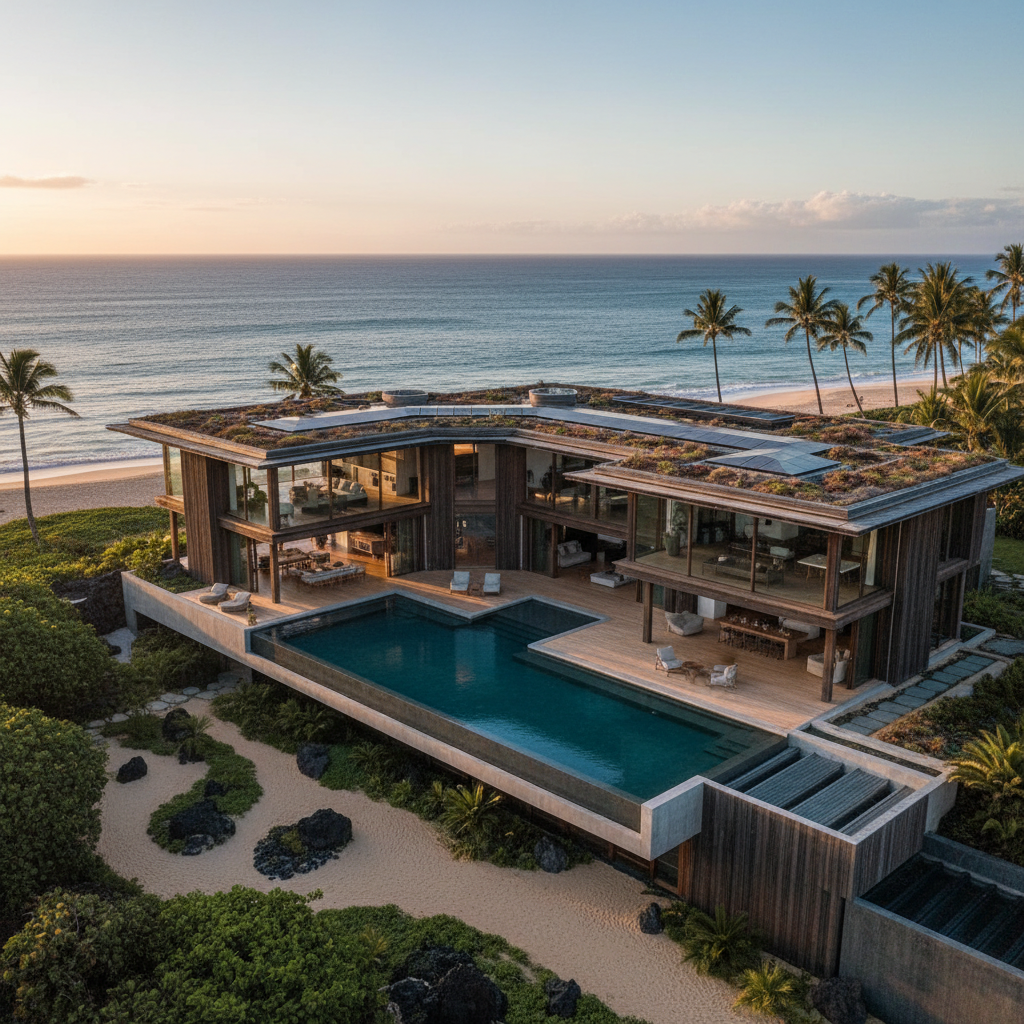
Hawaii’s luxury real estate segment has entered a renaissance in 2025. Wealthy buyers, especially from Canada, Japan, and the U.S. West Coast, are fueling demand for $3 million-plus properties with private beach access, LEED-certified design, and concierge amenities.
Luxury developments in Wailea, Ko Olina, and North Shore O‘ahu are offering bundled lifestyle packages—surfing instructors, wellness retreats, and digital concierge services—making these homes more than real estate purchases; they’re lifestyle investments.
This year also marks a spike in “wellness homes,” equipped with air purification systems, natural materials, and biophilic architecture—perfectly aligning with Hawaii’s brand of health-centric island living.
Climate-Proofing Becomes Priority
Island living is idyllic, but 2025 buyers are factoring in rising sea levels, storm risk, and infrastructure vulnerabilities. Homes elevated on pilings, with hurricane-grade windows, off-grid energy systems, and inland locations are gaining favor.
Developers are responding. In Pacific territories like Guam and American Samoa, building codes have been updated to promote sustainability, and government subsidies are encouraging solar installations and storm-resistant designs. Buyers—particularly those relocating from climate-impacted states—are prioritizing resilience over aesthetics.
Shift Toward Sustainable, Off-Grid Living
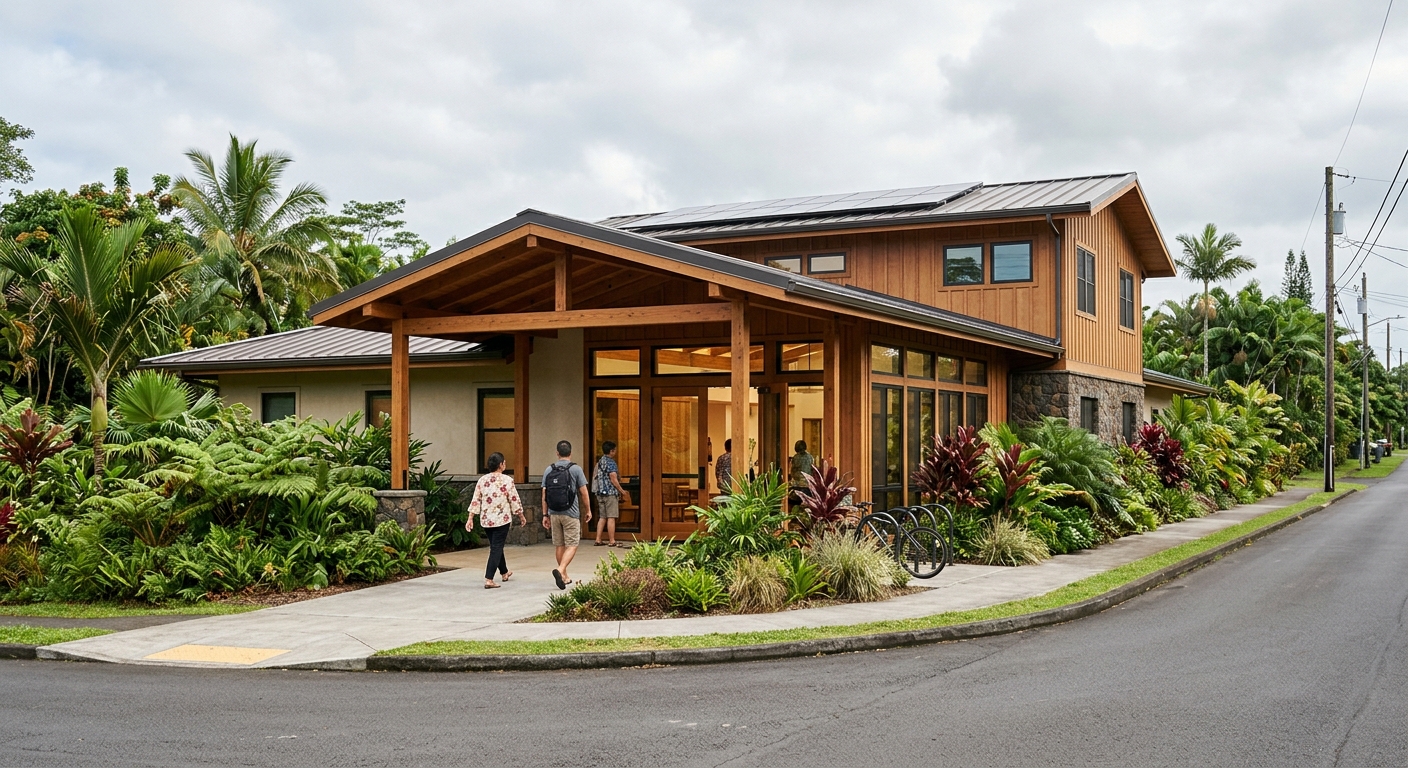
In response to Hawaii’s high energy costs and resource constraints, 2025 has seen an increase in off-grid housing developments. These homes, often built with modular or prefabricated methods, include solar panels, rainwater harvesting, and composting systems. Young professionals and eco-conscious families are leading the charge.
On the Big Island, demand for agriculturally zoned lots is on the rise, as homesteading lifestyles gain popularity. Buyers want not just a home, but land to grow food, raise chickens, and create micro-communities. This rural real estate surge is redefining what “luxury” means for many: self-sufficiency and silence.
Rise of Digital Nomads & Fractional Ownership
Remote work continues to fuel interest in part-time Hawaiian residency. In 2025, more buyers are turning to fractional ownership or co-ownership models, especially in areas like Kona and Lahaina, where full ownership prices are out of reach for many middle-class buyers.
These models allow digital nomads to share a home with three or four other co-owners, splitting the year into rotational occupancy. It’s a lower barrier to entry into high-value markets and reflects how flexible living arrangements are evolving the real estate experience.
Rental Market Tightens as Short-Term Rules Shift
As counties in Hawaii tighten regulations on short-term rentals to preserve housing for locals, the long-term rental market has exploded. Average rents for 2-bedroom units have increased by over 8% in the past year, especially in Honolulu and Maui.
This has led many property owners to pivot toward long-term leases or corporate rentals targeting remote workers and extended-stay visitors. Investors seeking income-producing properties in 2025 are advised to align with local ordinances and community preferences to avoid future regulatory hurdles.
Infrastructure & Inter-Island Development Push
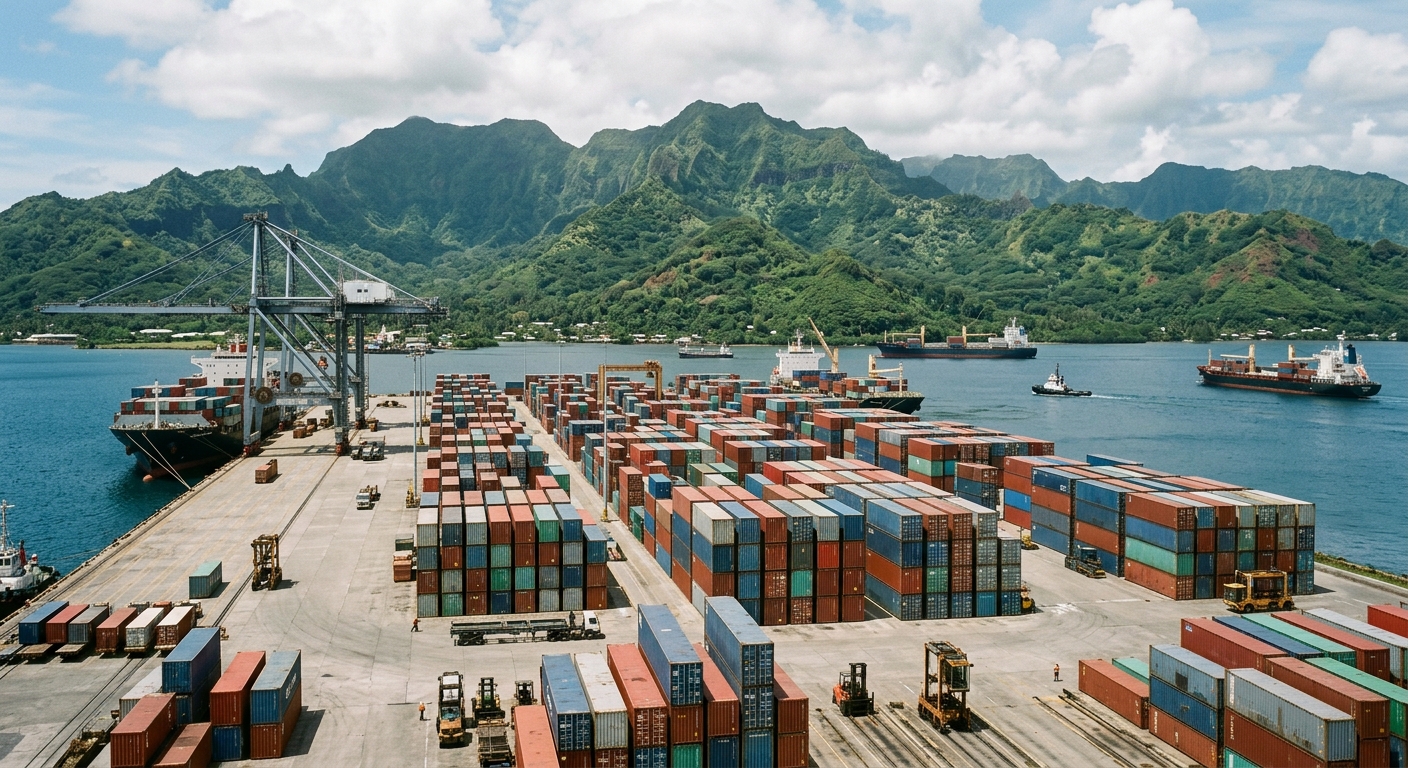
While much of the focus is on high-end and rural properties, Hawaii’s state government is making modest progress on infrastructure. Improvements to inter-island transportation, including expanded ferry routes and smart port technologies, could enhance property values in less-developed islands.
Developers are eyeing Molokai and Lanai for future projects, regions previously considered logistically risky. If travel becomes easier and utilities more reliable, these underdeveloped markets may become the next wave of opportunity.