- calendar_today August 21, 2025
Retail Investment Momentum Spreads Across the Pacific
Retail investors in Hawaii and other Pacific territories, like Guam, American Samoa, and the Northern Mariana Islands, are increasingly joining the national investing movement in 2025. With over $67 billion in retail inflows into U.S. equities this year, a growing share is coming from first-time investors in remote but digitally connected regions.
In Honolulu, Hilo, and beyond, younger residents, military families, and service workers are turning to investment apps and online financial tools to build long-term wealth. Many are navigating rising living costs, housing shortages, and the impact of tourism fluctuations, all while markets react to geopolitical shifts like April’s sudden U.S. tariff hikes on Chinese goods, which led to a 12% drop in the S&P 500.
Despite that volatility, analysts at Morgan Stanley anticipate a potential 8% gain in the S&P 500 by mid-2026, thanks to improving corporate earnings and softening inflation. For island-based investors, this long-term view is critical.
Local Challenges Inform Smarter Investment Approaches
In the Pacific region, where cost of living is significantly higher than the mainland average, beginner investors are especially cautious. Hawaii’s housing affordability crisis and imported goods inflation have made many residents wary of risky speculation.
Still, the fundamentals are shifting. Earnings upgrades in sectors like financials, aerospace, and energy offer a path for gradual, diversified portfolio building. Investors in Hawaii and Pacific territories are increasingly leaning toward ETFs with exposure to dividend-paying stocks, sustainable infrastructure, and consumer staples, areas better suited to weather inflationary cycles.
Meanwhile, clean energy remains a key investment theme, aligned with Hawaii’s goal of 100% renewable electricity by 2045. Local investors are blending their environmental values with financial strategy by choosing green bond funds and ESG-screened portfolios.
Back to Basics: Fixed-Income and Cash Strategies Gain Ground
The high cost of living and economic sensitivity to global supply chains are reinforcing conservative financial habits across the Pacific. In 2025, retail investors have poured over $2.8 trillion into cash-equivalent assets nationwide, and that trend is reflected locally.
In Honolulu and Guam, beginner investors are allocating larger portions of their capital to high-yield savings accounts, short-duration Treasury ETFs, and money market funds. Financial advisors recommend dedicating 15% to 30% of a starter portfolio to these low-risk vehicles before venturing into equities.
This conservative shift is especially important for island residents with variable income streams tied to tourism, hospitality, or inter-island trade.
Sector Rotation: From Growth to Resilient Value Picks
While high-growth tech stocks dominated early portfolios for many investors, 2025 is ushering in a sector shift. Financial experts are pointing to “COW” stocks, Costco (which has a strong retail footprint in Hawaii), O’Reilly Auto, and Walmart, as reliable value picks with strong consumer demand.
For Pacific-based investors, these companies offer not just performance, but supply chain resilience and relevance to local markets. Infrastructure, healthcare, and sustainable utilities are also gaining traction, aligning with regional economic needs and climate priorities.
Crypto and artificial intelligence funds may be tempting for beginners, but experts warn against overweight exposure to such volatile trends, especially in economically fragile island economies.
Long-Term Thinking in Island Markets
Investing across Hawaii and the Pacific is about balance, not speed. From Big Island residents managing multi-generational finances to Pacific Islanders saving for education or land purchases, 2025 is about building lasting financial foundations.
Smart strategies include:
- Starting with an emergency fund equal to 3–6 months of expenses
- Using automated investing tools or ETFs to diversify
- Rebalancing portfolios annually to reduce risk
- Avoiding emotionally driven decisions during policy shocks
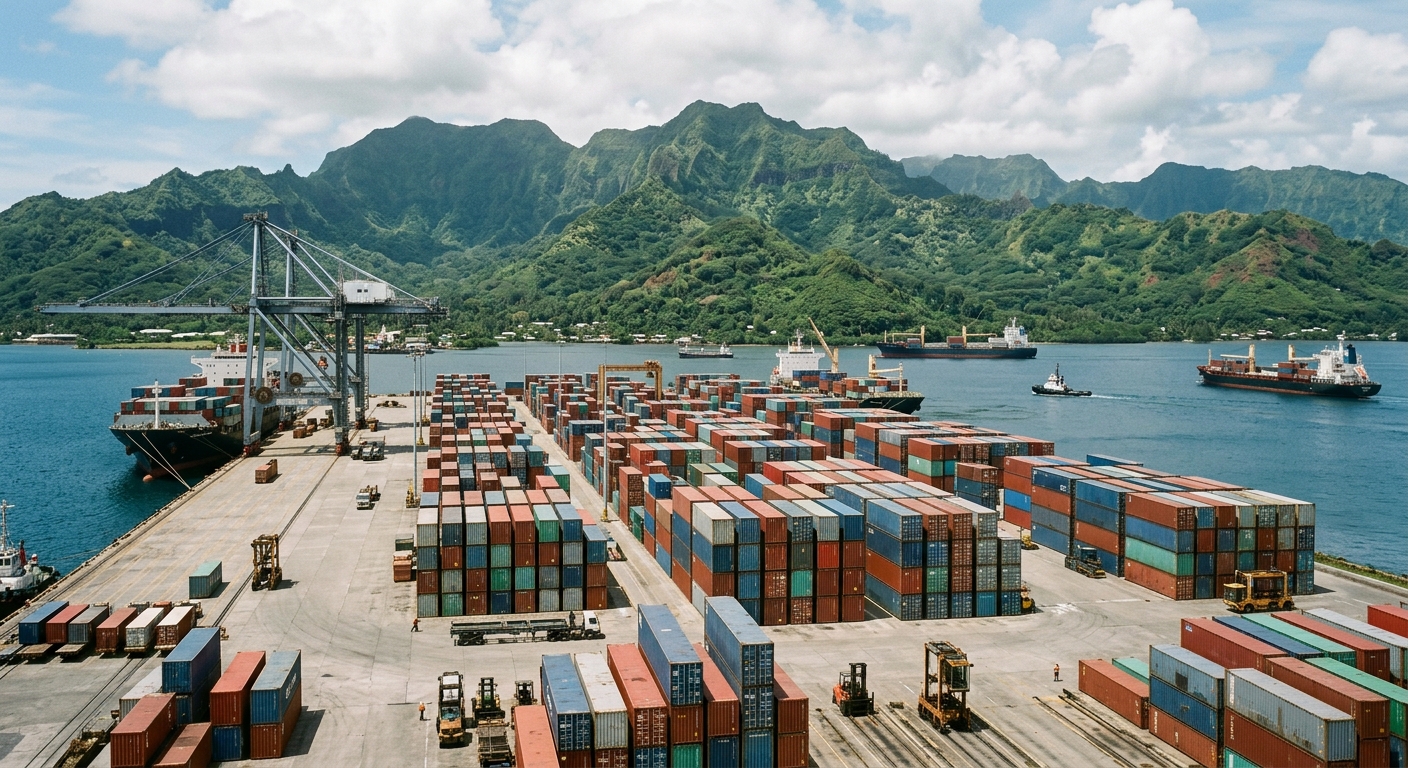
With climate challenges, shipping dependencies, and tourism-linked volatility, Pacific region investors must be even more disciplined than most. But with access to digital tools, growing financial literacy, and thoughtful planning, first-time investors in Hawaii and the Pacific are well-positioned to navigate the markets of 2025 and beyond.