
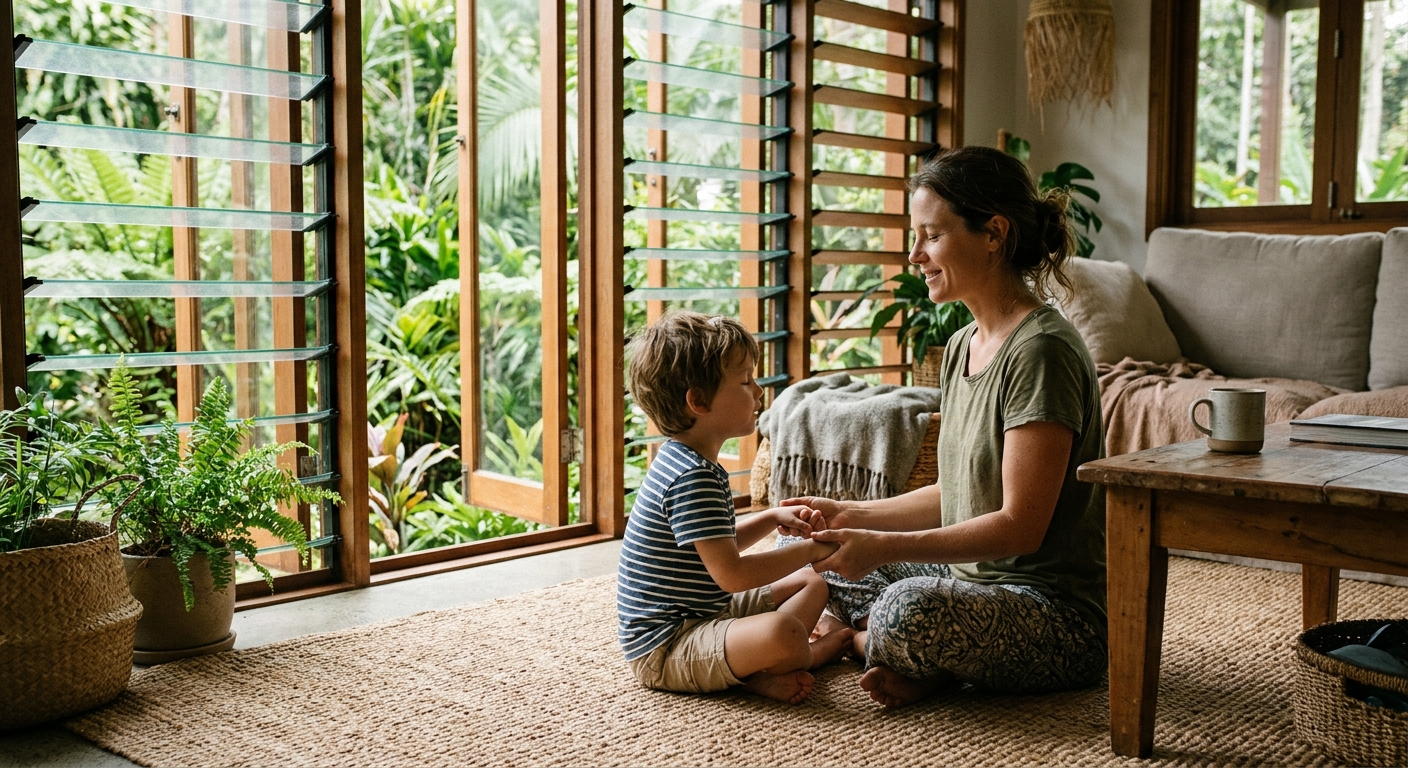
AI-generated illustration; not a photograph of the reported event.
- calendar_today October 25, 2026
Understanding Children's Reactions to Scary Events
Scary or traumatic events can be difficult for anyone to process, but they can be especially confusing and overwhelming for young children. For parents and caregivers, knowing how to support keiki after such experiences is essential to helping children feel safe.
Recognizing the Signs in Child Behavior
According to Dr. Brad Nakamura, a psychology professor at the University of Hawaii at Manoa, young children often lack the words to express their thoughts and emotions after a frightening event. Instead, their feelings might manifest in other ways—such as tantrums, crying, anger, or noticeable shifts in how they play.
Parents should look for behaviors that seem unusually intense or different from what is typical for their child. Emotional outbursts, avoidance of certain places or people, or repeatedly acting out a troubling event through play can all be indicators of lingering fear or anxiety.
Talking to Children Without Heightening Fears
When children have questions about frightening events, Dr. Nakamura advises parents to keep answers simple and age-appropriate. "I would recommend answering questions that kids might have and not going above and beyond too much. A lot of times, parents will project their own anxieties and fears and worries," he said. Over-explaining or sharing unnecessary details can sometimes make children more anxious.
Using clear, simple language helps avoid confusion and further distress. It's important for parents to listen closely to what their children are asking and respond with honesty, but without overwhelming information.
Calming Techniques and Role Modeling
One effective technique for calming anxious children is 'belly breathing'—slowly breathing in through the nose and then out through the mouth, similar to blowing out a birthday candle. This simple exercise can help reduce immediate feelings of anxiety.
Dr. Nakamura also highlights the importance of parental behavior. "When children are scared and afraid, they’re looking to their parents to see how they’re responding. So parents should do the best that they can to try to role model appropriate responses to things," he explained. Children learn a great deal from watching how the adults in their lives act during challenging situations, so keeping a calm demeanor is crucial.
The Importance of Routine and Emotional Resilience
After a traumatic event, children may view the world as unpredictable or unsafe. Maintaining consistent routines and structure can offer children a sense of stability and control. "Children tend to be a lot more resilient than we give them credit for," says Dr. Nakamura, emphasizing that routine and consistency are key to recovery.
Building resilience is a gradual process, supported by a predictable environment and positive adult guidance.
Supporting Recovery and Moving Forward
Dr. Nakamura's primary message to parents and caregivers is to remain hopeful. With ongoing support from family, friends, and, when needed, professional help, children can recover from trauma and move forward in a healthy way. Taking the time to notice changes, listen with care, and provide consistent comfort all contribute to helping children regain a sense of safety and normalcy.
Source: khon2.com.


