
- calendar_today October 15, 2026
The Battle Over Kahoʻolawe: A Decades-Long Struggle
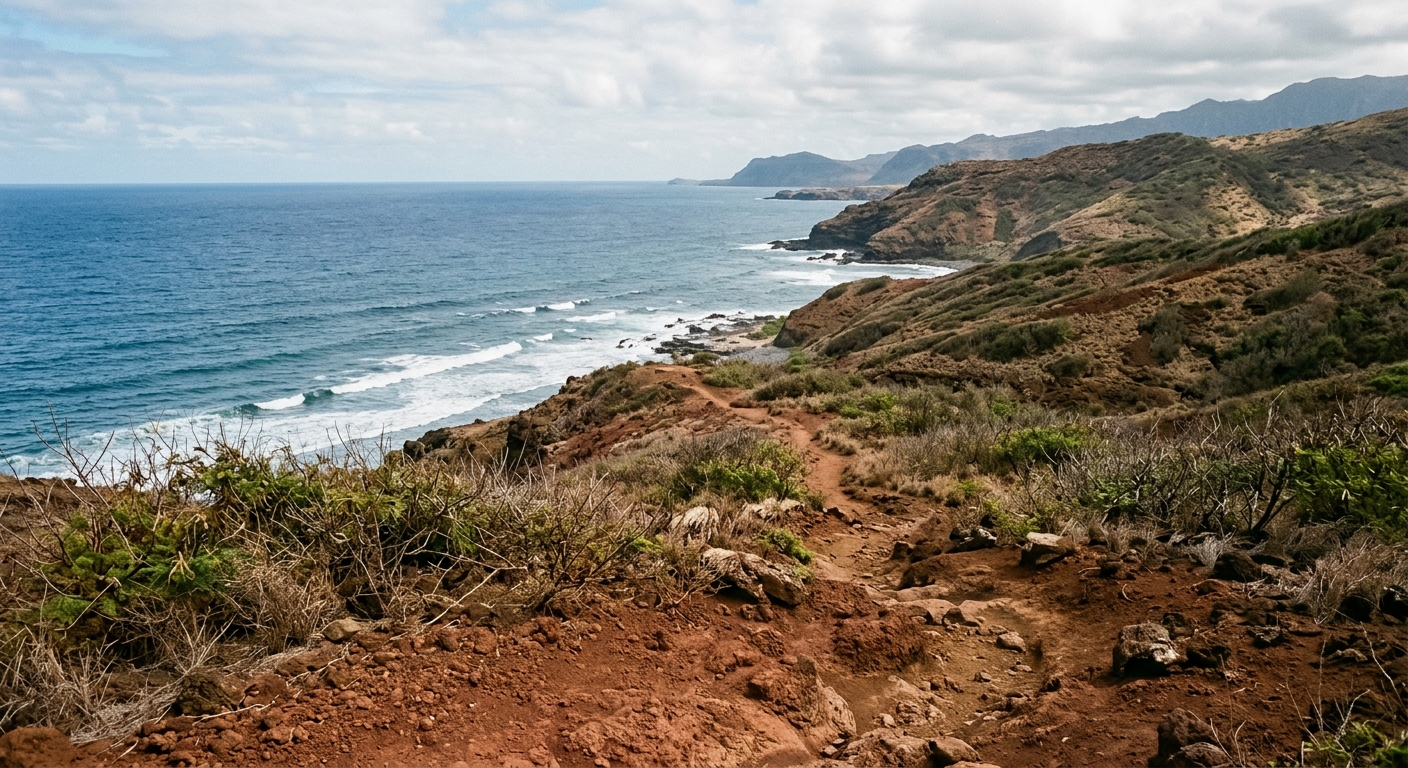
For decades, Kahoʻolawe, the smallest of Hawaii’s eight main islands, endured military bombing exercises as the United States military designated it a training ground. The repeated detonations left the island scarred, with debris, shrapnel, and unexploded bombs damaging its fragile ecosystem. By the 1970s, Kahoʻolawe had become widely known as the “Target Island.”
The Rise of Native Hawaiian Activism
The destruction of Kahoʻolawe spurred a wave of native Hawaiian activism. In 1976, a group of activists, including George Helm, Dr. Noa Emmett Aluli, and Walter Ritte, formed the Protect Kahoʻolawe ʻOhana (PKO). Their efforts challenged the military’s control over the island and focused on reclaiming cultural identity and emphasizing aloha ʻāina, a deep love and respect for the land.
The campaign began with peaceful protests, unauthorized landings, and occupations on the island. PKO’s founders drew inspiration from Hawaiian elders and traditional practices, turning their political advocacy into a cultural movement that emphasized the island’s spiritual significance.
Key Moments in the Fight to Protect Kahoʻolawe
Significant events shaped the trajectory of the movement:
- 1965: The detonation of 500 tons of TNT on Kahoʻolawe drove native Hawaiians to recognize the need for action to protect the island.
- 1976: PKO organized its first occupation, aiming to draw congressional attention to the issue of reparations related to the illegal overthrow of the Hawaiian Kingdom.
- 1977: A federal court acknowledged PKO’s complaints, ruling the Navy had failed to meet environmental and historic preservation requirements. The court ordered the Navy to prepare an environmental impact statement and take steps to protect historic sites, though it didn’t immediately stop the bombing.
- 1980: A consent decree required the Navy to survey and protect historic and cultural sites, clear unexploded ordnance from 10,000 acres, continue soil conservation, remove goats, and limit bombing practice. It also granted PKO monthly access for cultural, educational, and scientific activities.
- 1990: President George H.W. Bush ordered an end to the military bombing, marking a pivotal victory for the activists despite opposition from the Navy.
- 1994: The United States transferred ownership of Kahoʻolawe to the state of Hawaiʻi, establishing the Kahoʻolawe Island Reserve Commission to manage the island’s restoration and preservation.
A Movement Rooted in Aloha ʻĀina and Identity
Protecting Kahoʻolawe went beyond ending the military exercises. For activists, the island represented a spiritual and cultural connection. Their campaign evolved from seeking political reparations to a broader cultural and environmental mission. Dr. Noa Emmett Aluli noted that upon arriving on the island, the activists felt a deep connection and became motivated to preserve Kahoʻolawe for its cultural and spiritual significance.
The principle of aloha ʻāina, or love for the land, embodied the movement's core. Guidance from kūpuna (elders) and traditional practices informed PKO’s approach, making the campaign both a protest and a path toward restoration and cultural preservation.
The Legacy of the Kahoʻolawe Movement
The end of the kahoʻolawe bombing symbolized more than a halt to military activity; it marked a renewed assertion of Native Hawaiian rights and the importance of ancestral lands. The struggle became central to native Hawaiian activism, highlighting the deep spiritual connection and need to reclaim autonomy over traditional land.
Sol Kahoʻohalahala, Director of the Kahoʻolawe Island Reserve Commission, described the conflict as representative of the struggle of a people disenfranchised in their own homeland. The Kahoʻolawe movement is now regarded as a vital turning point in Hawaii’s ongoing story of cultural and land restoration.
Restoration Efforts and Ongoing Significance
The establishment of the Kahoʻolawe Island Reserve facilitated a focus on land restoration and cultural preservation. Today, efforts continue to remove unexploded ordnance and rehabilitate the island’s unique ecosystem. The Protect Kahoʻolawe ʻOhana remains active in promoting aloha ʻāina and educating future generations about the island’s historical and spiritual legacy.
For more information about Kahoʻolawe’s history and restoration, visit the Kahoʻolawe Island Reserve Commission website.
Source: khon2.com.


