- calendar_today August 5, 2025
In 2025, the Hawaii and Pacific region remains one of the most culturally distinct and ecologically vulnerable corners of the United States. With its turquoise waters and volcanic ridges, this region is often romanticized in travel brochures. But beneath the beauty lies a dynamic story of environmental defense, indigenous governance, economic balancing, and growing geopolitical importance in the Pacific Rim.
Climate Reality Becomes Policy Imperative
Few regions in the United States are facing climate change as acutely as Hawaii and the U.S.-affiliated Pacific Islands (Guam, American Samoa, and the Northern Mariana Islands). This year, rising sea levels have already prompted the closure of three beachfront roads in Oahu and are threatening the drinking water aquifers in the Marshall Islands. The response has gone beyond adaptation to full-blown legislative urgency.
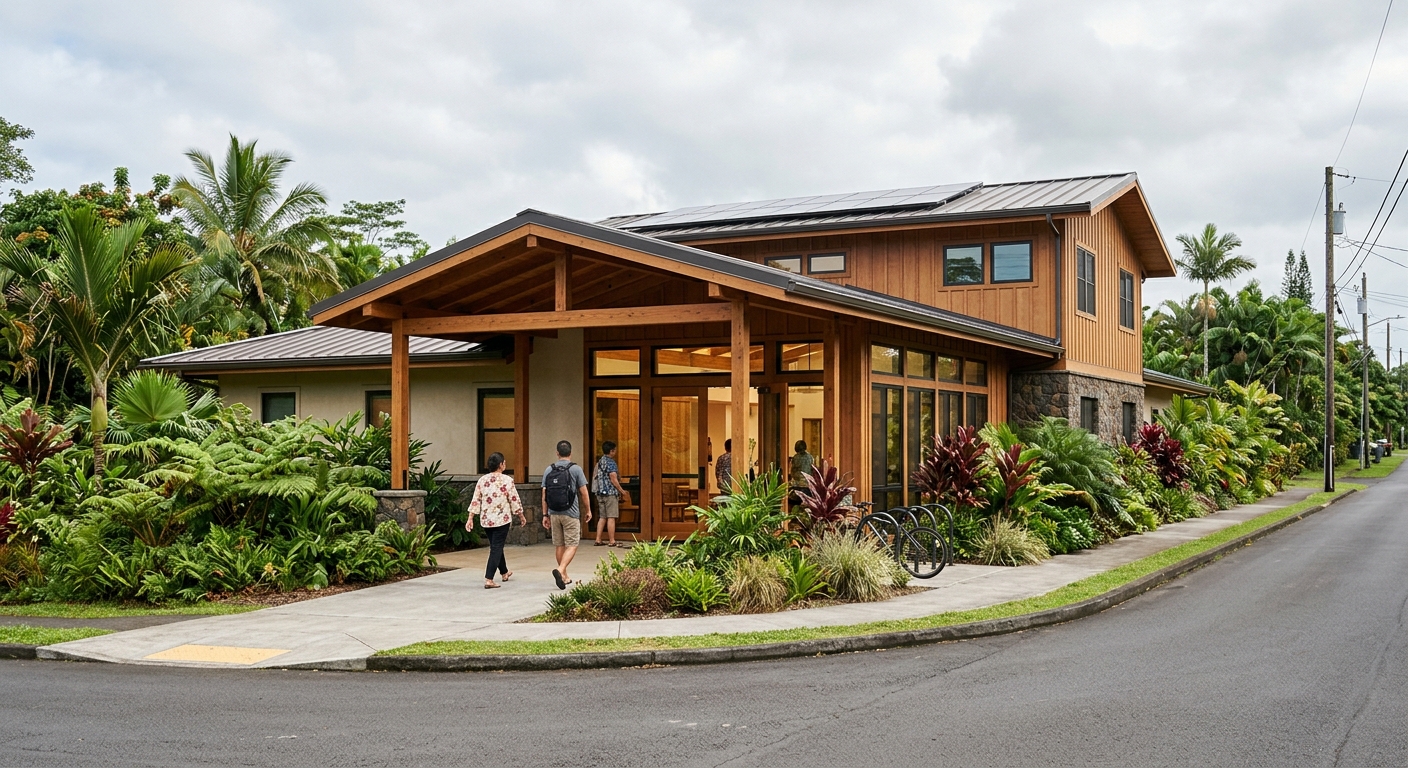
Governor Josh Green of Hawaii signed into law the Aloha Resilience Act in March, mandating that all new state buildings be built at least three feet above current sea levels and powered by 100% renewable energy sources. “We are the canary in the coal mine,” said Governor Green during a press conference. “But unlike a canary, we can fight back.”
Meanwhile, in Guam, climate policy intersects with military infrastructure. As the Department of Defense reinforces its bases, it also finds itself investing in coral reef restoration and mangrove buffers—measures aimed as much at defense as they are at ecological survival.
Sustainable Tourism: A Double-Edged Sword
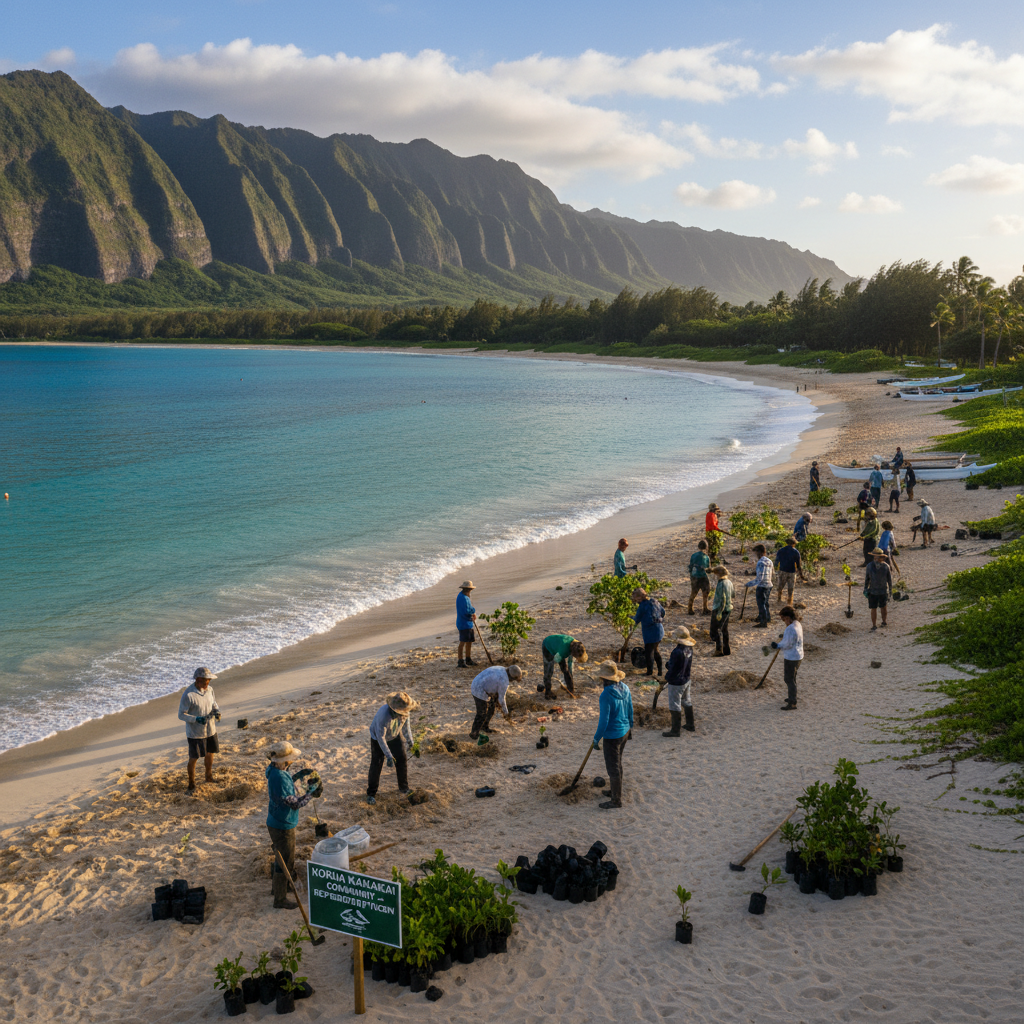
Hawaii’s economy still heavily depends on tourism, which contributes nearly 21% to the state’s GDP. But in 2025, the tourism model is undergoing a significant transformation. With overtourism degrading coral reefs and overcrowding cultural sites like Diamond Head and Waimea Valley, the Hawaii Tourism Authority launched the Mālama Hawaii Program. This program ties tourist entry to volunteer-based eco-work, like beach cleanups or native tree planting, incentivized through reduced fees or priority bookings.
“It’s a moral contract,” said Noe Kekuewa, a cultural liaison officer at Honolulu International Airport. “If you’re coming here to take from the land, you must also give something back to it.”
Despite initial pushback from international tour operators, the model is gaining traction. In 2025, over 300,000 tourists opted into the program—a 48% increase from the year prior.
Indigenous Rights at the Forefront of Governance
This year, Native Hawaiian and Chamorro voices have grown stronger in governmental halls. Hawaii’s Office of Hawaiian Affairs (OHA) successfully advocated for the return of nearly 12,000 acres of ancestral land previously under military use in the Big Island. This historic restitution, signed in April, is being lauded as one of the largest land-back victories in American history.
In American Samoa, new legislation grants village councils increased power to manage fisheries and agricultural zoning based on indigenous ecological principles known as fa’asamoa. This is being closely watched by environmental groups as a model for culturally integrated sustainability.
Economy Diversification Faces Structural Challenges
While tourism and military spending remain the twin pillars of the regional economy, 2025 is seeing an intensified push toward diversification. The Pacific Innovation Hub in Honolulu launched a $30 million fund to support ocean-tech startups, focusing on sustainable aquaculture, desalination technologies, and wave-energy systems.
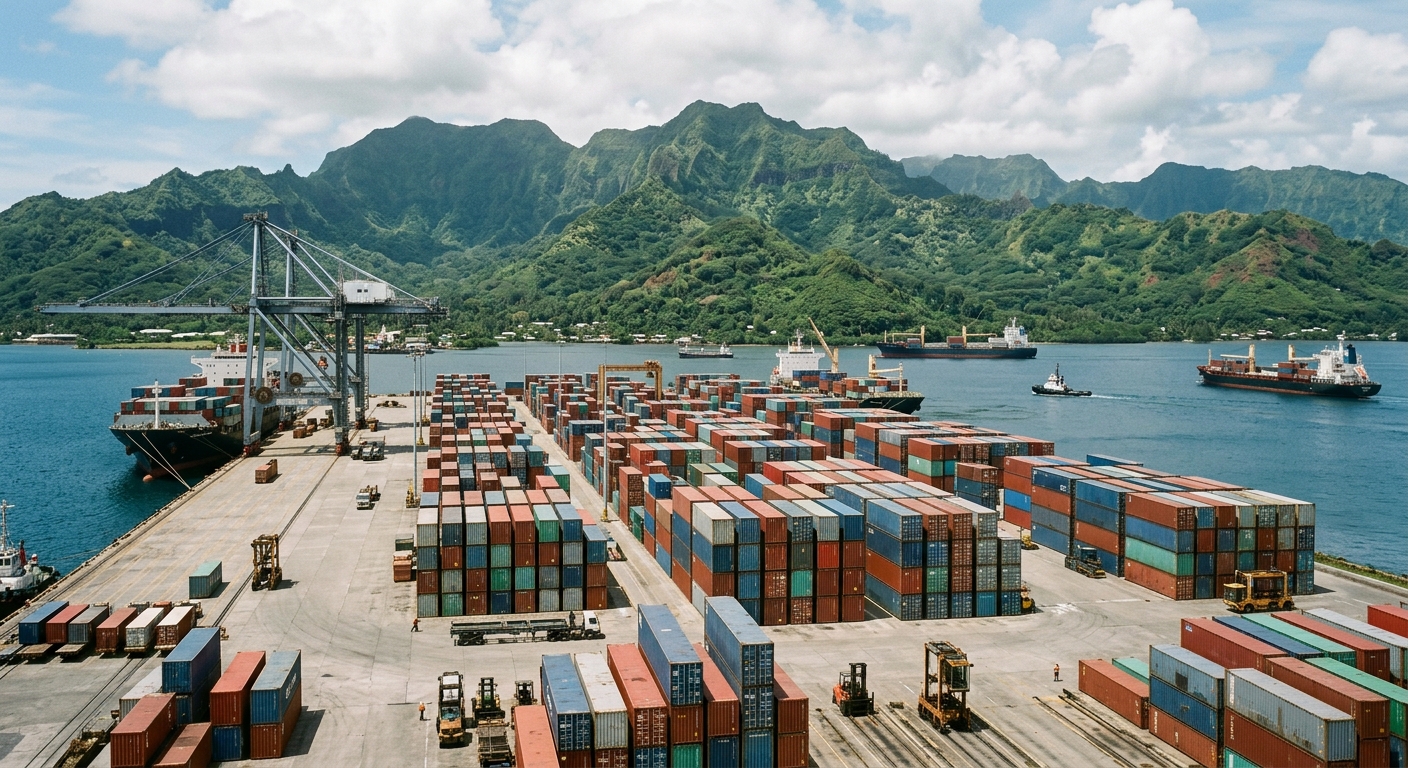
Still, labor shortages, shipping dependencies, and limited land for industrial expansion hinder large-scale change. The Northern Mariana Islands, which faced mass job losses following the closure of its garment industry years ago, continues to struggle. The local government is now betting on remote tech outsourcing and educational tourism to make a dent in economic fragility.
The U.S. Pacific: Geopolitics Meets Environmental Strategy
Strategically, the Pacific is a critical geopolitical zone in 2025. As China increases its diplomatic and military footprint across Micronesia and Polynesia, the U.S. has ramped up engagement through the Compact of Free Association (COFA) renewals and infrastructure investments.
This year’s $1.3 billion compact package to the Federated States of Micronesia includes climate resilience provisions—a first in bilateral agreements. Critics, however, argue that the package focuses more on military logistics than actual humanitarian or environmental capacity-building.
Still, in Guam and Hawaii, the alignment of military readiness with ecological sustainability is beginning to show results. The Marine Corps Base Hawaii has committed to becoming the first net-zero energy installation in the Indo-Pacific region by 2027, an initiative accelerated under the Biden administration’s Pacific Deterrence Initiative.
The Pacific Mindset: Community and Continuity
What sets Hawaii and the U.S. Pacific apart in 2025 is not merely their challenges, but the communal mindset with which these challenges are met. The concept of aloha ‘āina (love for the land) and fa’a Samoa (the Samoan way) permeates governance, economics, and even disaster response.
During April’s Category 3 typhoon that battered American Samoa, neighborhood councils were the first to organize evacuation efforts and food distribution—often ahead of federal agencies. This decentralized, culturally rooted governance may offer the rest of the nation a template for community-based resilience in a changing climate.