- calendar_today August 15, 2025
Hyundai’s economic milestone of investing $21 billion in U.S. manufacturing has ramifications for industries ranging from steel production to the expansion of electric vehicles. While the bulk of the investments lies principally in mainland areas, such as Louisiana and Georgia, the islands and the Pacific territories are taking into account how this economic commitment could provide ramifications for their economy, labor markets, and transportation sectors.
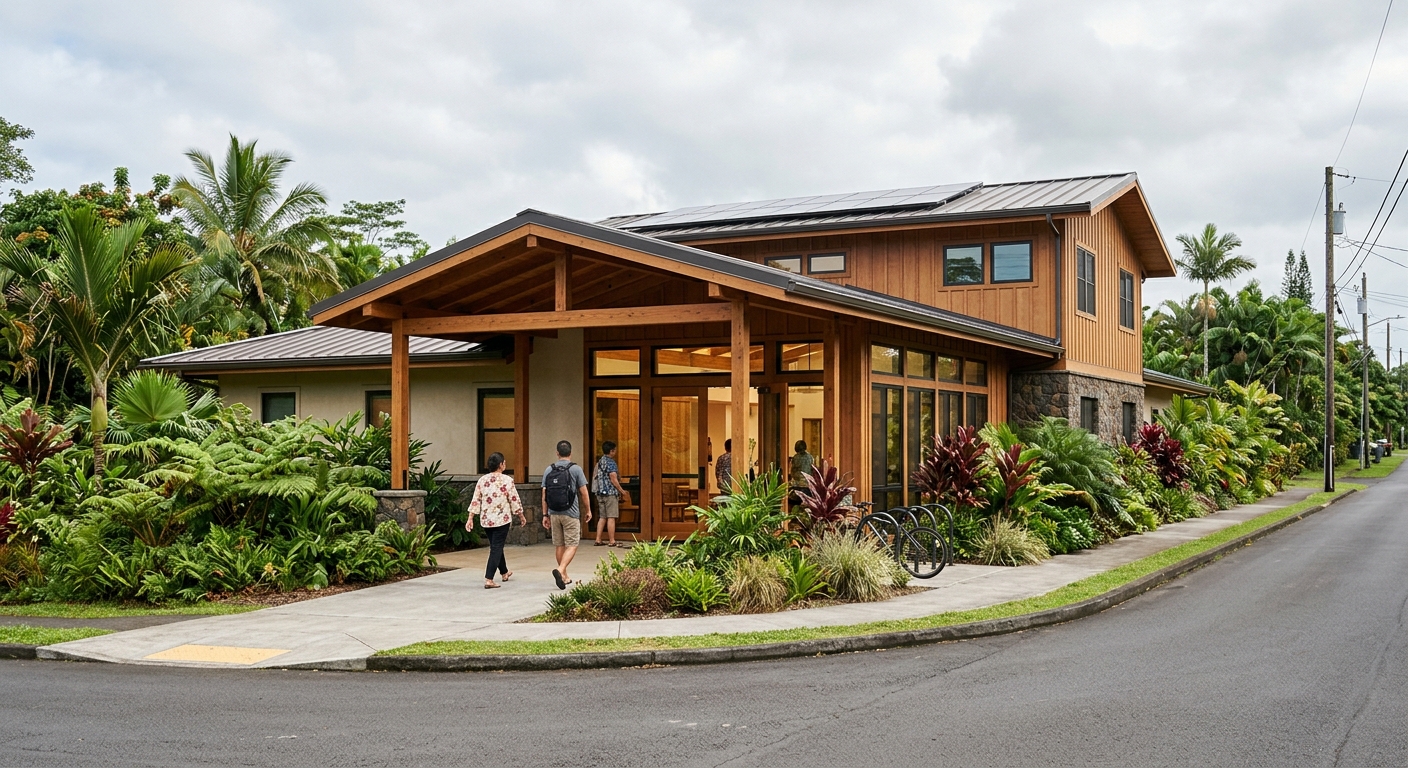
Hawaii and Pacific Region Effects of the Investment by Hyundai
Although new factories will not be coming directly to Hawaii or the Pacific, the region should gain from the establishment of supply chain improvements, greater availability of EVs, and economic ripple effects. The main areas are:
- Shipping and Logistics: Increased Hyundai production could mean that vehicles and steel will be imported to Hawaii and the Pacific islands more conveniently.
- EV Expansion: Increased Hyundai EV production might hasten EV adoption in Hawaii, where sustainability has taken center stage.
- Tourism and Hospitality: More affordable vehicles and clean energy solutions stand to gain the car rental and transportation and tourism industries in the region.
Impact on Hawaii’s Automotive Market and on The Expansion of Hyundai
Vehicle availability and pricing in Hawaii are predominantly governed in light of the islands’ geographic isolation by being dependent upon imports. Therefore, with Hyundai’s investment in domestic EVs and steel production, the following outcomes may accrue to consumer interests in Hawaii:
- Reduced shipping costs would mean lower-priced Hyundai EVs.
- An increase in the availability of Hyundai hybrid and electric models tailored for Hawaii’s roads.
- Incentives and partnerships for sustainable transportation might also be set up.
With state incentives and the commitment to reduce dependence on fossil fuels, Hawaii already has one of the highest rates of EV adoption in the U.S. This investment being undertaken by Hyundai fits right into the goals of clean energy Bahamas, therefore laying a pathway for the implementation and boosting of EV infrastructure projects.
Impact on the Pacific Island Territories
The territories of the Pacific Islands, for instance, Guam, American Samoa, and the Northern Mariana Islands, regularly work with imported mainland goods. Following Hyundai’s investment, the territories should:
- Stabilize the vehicle pricing in the territories due to enhanced supply.
- Motivate local investment in EV infrastructure in further support of sustainability goals.
- Create job opportunities in maintenance and logistics with the expansion of Hyundai footprint.
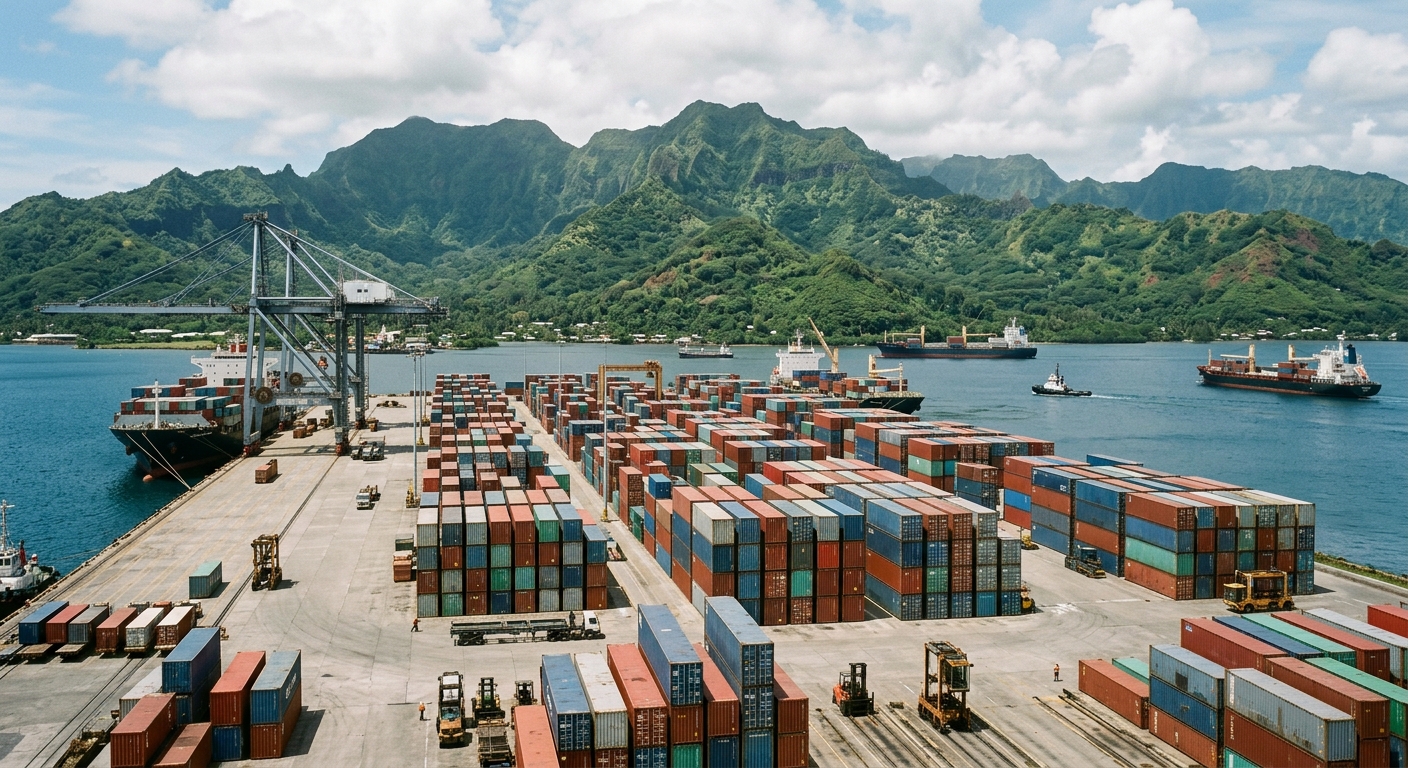
Enhancing Shipping and Supply Chain
Hawaii and the Pacific region are dependent on marine shipping for most industrial goods, vehicles, building material, and raw steel. With Hyundai’s investment in the new steel plant in Louisiana, these areas may expect:
- More reliable delivery of steel for construction, infrastructure, and local industries.
- Lowered costs for industrial materials, benefiting business and public projects.
- A possible expansion to Pacific-based Hyundai distribution centers, improving delivery times.
Economic & Tourism Industry Considerations
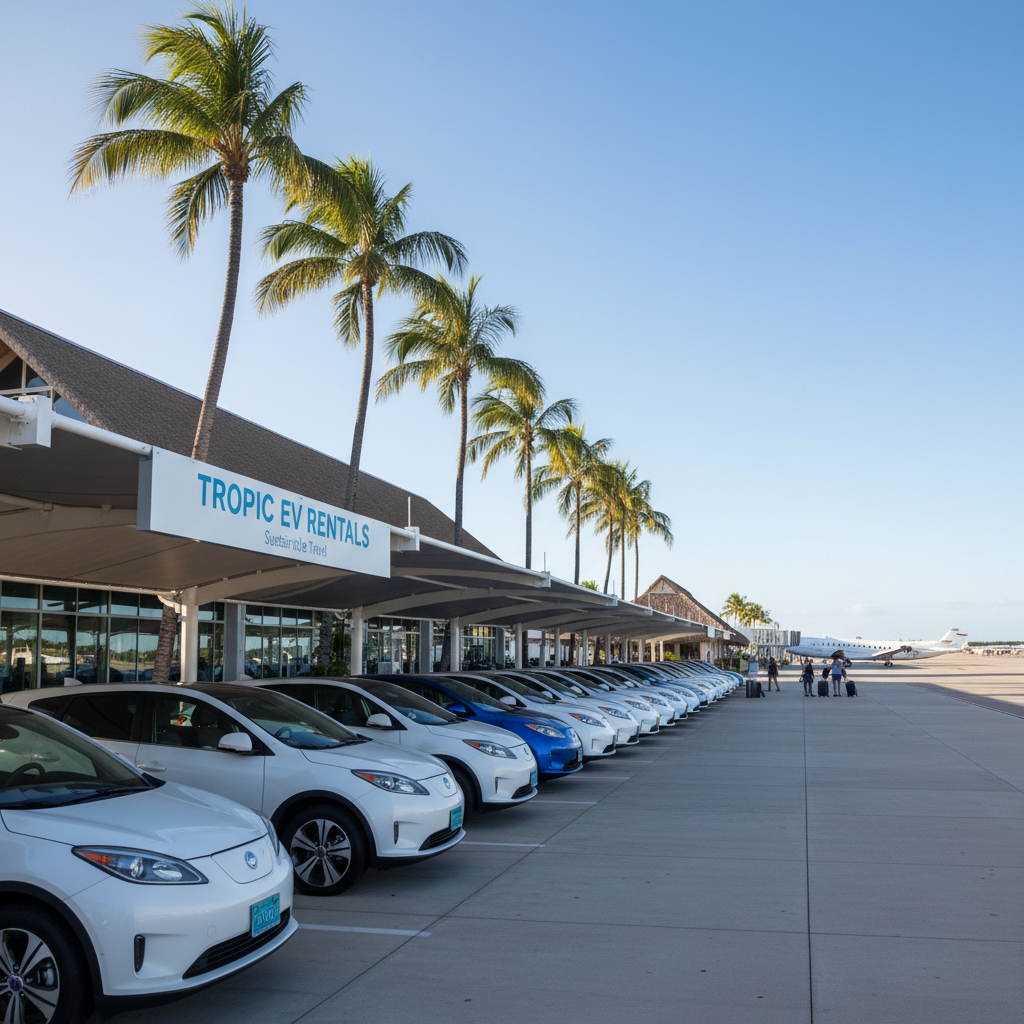
Hawaii’s tourism and hospitality sectors are closely linked to the automotive industry. Rental car companies, ride-sharing services, and tour operators could benefit from:
- More fuel-efficient and EV rental options as Hyundai ramps up production.
- Potential fleet discounts and leasing opportunities with Hyundai.
- Sustainability initiatives aligning with Hawaii’s green tourism strategies.
Conclusion: A Promising Outlook for Hawaii & the Pacific
Hyundai’s $21 billion investment is a game-changer for U.S. manufacturing. While the direct facilities will be on the mainland, Hawaii and the Pacific regions stand to benefit from increased vehicle availability, a stronger steel supply chain, and a growing EV market.
As sustainability and clean energy become priorities, Hyundai’s expansion could help Hawaii and the Pacific territories achieve long-term economic and environmental goals, making the region a key player in the future of transportation.