- calendar_today August 8, 2025
Rising Costs and Supply Chain Disruptions Challenge the Luxury Auto Market in Hawaii and the Pacific Region
Discover how Trump’s trade tariffs in 2025 are impacting Hawaii and the Pacific’s luxury auto industry, leading to rising costs and limited vehicle availability.
In 2025, luxury auto brands in Hawaii and the Pacific region are grappling with the financial strain caused by former President Donald Trump’s trade policies. Tariffs on imported vehicles and automotive parts are driving up prices, limiting inventory, and disrupting the luxury car market across the islands and nearby Pacific territories.
Rising Costs Hit Consumers and Dealerships
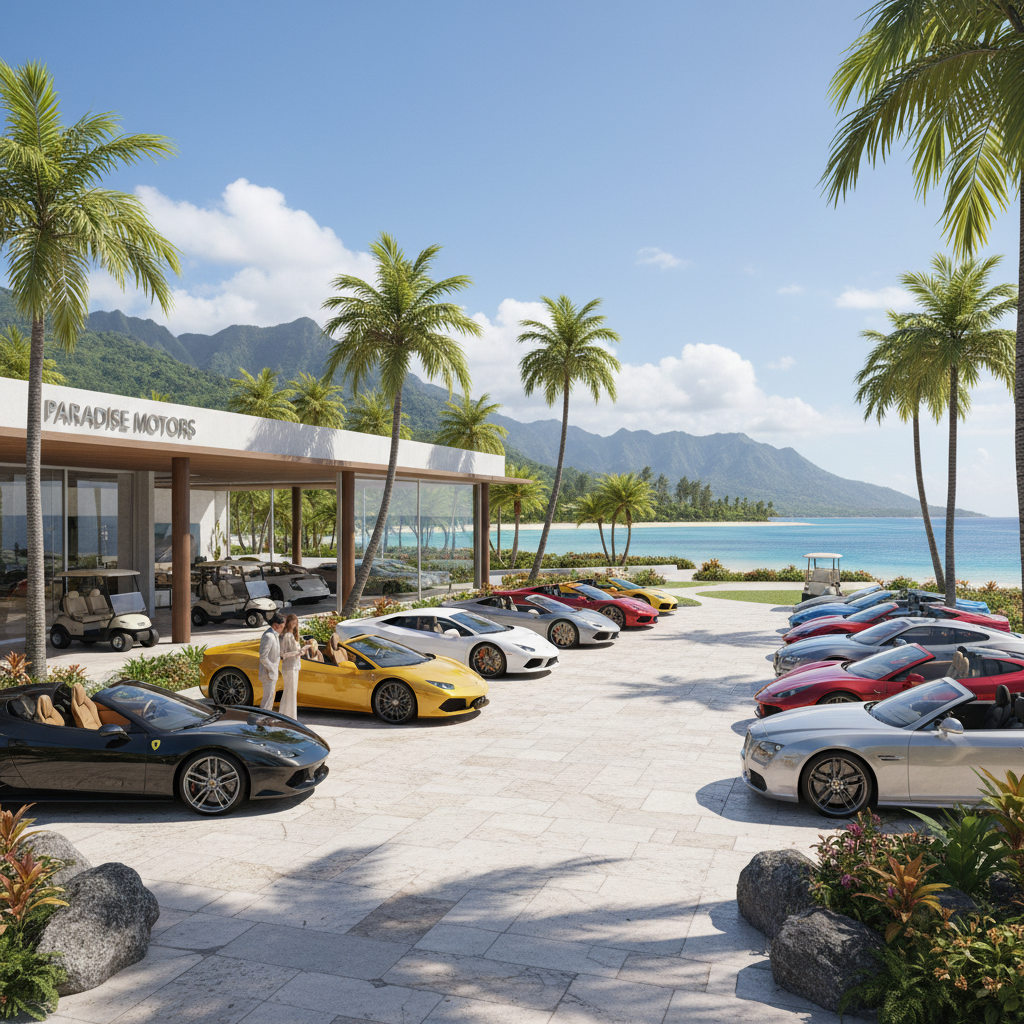
Luxury car buyers in Hawaii and the Pacific are facing increased prices on popular brands such as BMW, Mercedes-Benz, and Lexus. The tariffs on imports from Europe and Asia have added thousands of dollars to vehicle costs, making luxury cars less accessible.
Local dealerships, already contending with high shipping expenses due to the region’s geographic isolation, are now dealing with additional costs stemming from increased tariffs. This double burden is making it difficult for dealers to offer competitive pricing while maintaining their profit margins.
Inventory Shortages and Delayed Deliveries
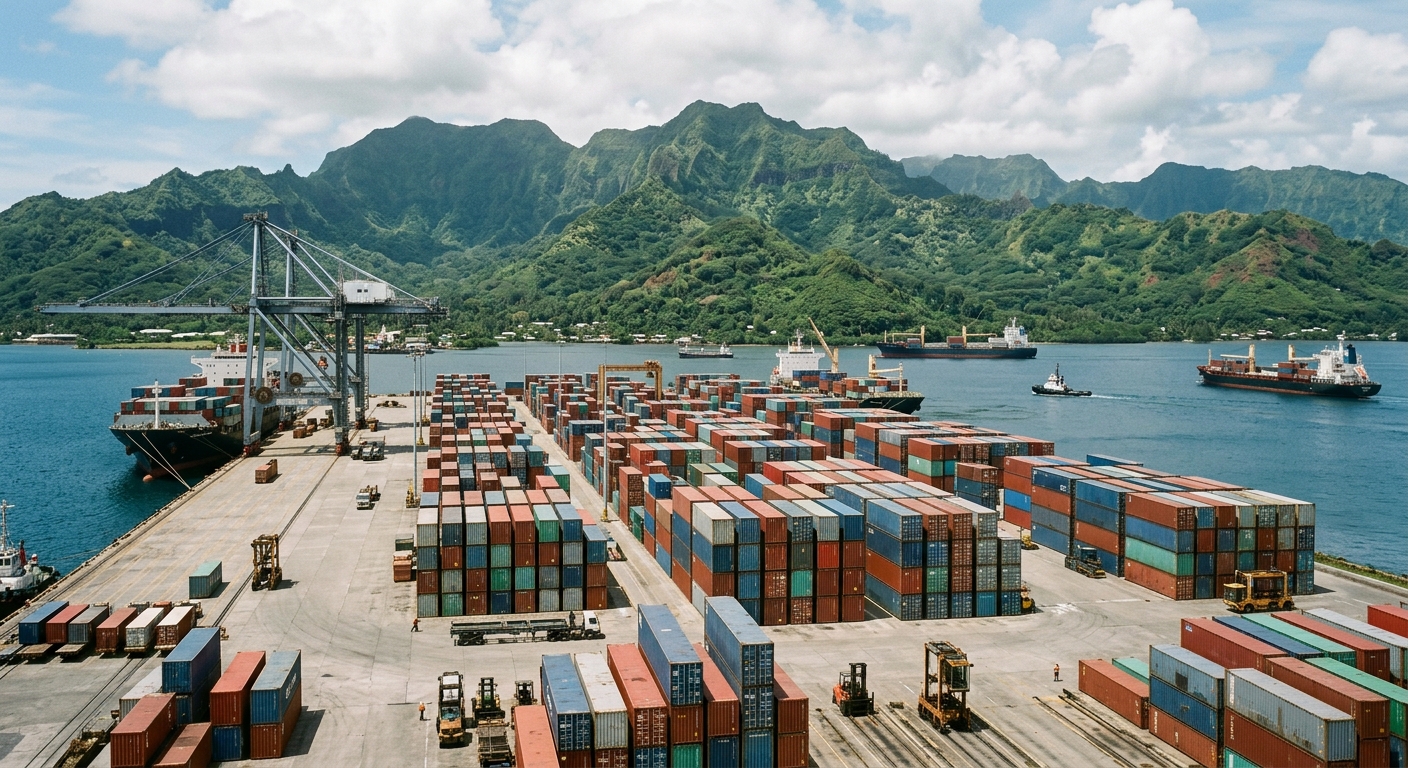
One of the most significant impacts of Trump’s trade policies is the disruption of supply chains. The luxury auto market in Hawaii and the Pacific relies heavily on imports, and the new tariffs have caused delays in receiving vehicles and essential parts.
Dealerships report longer wait times for new car deliveries, particularly for specialized models and electric vehicles. Consumers seeking luxury electric models are facing even greater challenges, as key components sourced from overseas are subject to higher import taxes.
Shifting Consumer Behavior
As prices rise and inventory shrinks, many consumers in the region are reconsidering their purchasing decisions. More buyers are turning to certified pre-owned luxury vehicles as a cost-effective alternative. Others are delaying their purchases altogether, waiting to see if trade policies will ease in the future.
Leasing, once a popular option for luxury vehicles, is also becoming more expensive. Higher vehicle prices translate into increased monthly payments, making leasing less appealing to cost-conscious buyers.
Impact on the Broader Economy
The economic consequences extend beyond dealerships. Hawaii’s luxury auto industry supports a range of ancillary businesses, including auto repair shops, financing companies, and shipping firms. With fewer luxury cars being sold, these connected industries are experiencing reduced demand and financial pressure.
Tourism, a major economic driver in the region, is also feeling the effects. Luxury rental cars, which are a popular choice for high-end tourists, are becoming scarcer and more expensive. This trend could impact the overall tourist experience and local revenue streams.
Future Outlook
As long as Trump’s trade policies remain in effect, Hawaii and the Pacific’s luxury auto market will likely continue to face challenges. Industry leaders are calling for policy changes to relieve pressure on dealerships and consumers.
In the meantime, dealerships are exploring new strategies, such as increasing their focus on pre-owned vehicles and offering special financing deals to attract customers. However, without a shift in trade policies, the luxury auto market in Hawaii and the Pacific will remain under significant strain.