- calendar_today August 29, 2025
Following decades of economic instability, inflation, and global disruptions, times are finally changing for Hawaii and the Pacific region. Inflation—long a source of stress for families, businesses, and governments—began to slow. And with that slowdown came an economic respite that’s being experienced from Honolulu to Apia.
Around the Pacific, this reduction in inflation is being felt in terms of more affordable living expenses, greater consumer confidence, and a new sense of hope. For tourism-dependent, import-reliant, and export-oriented economies, this relief may signal the beginning of a better, more resilient chapter.
What Declining Inflation Means for Hawaii
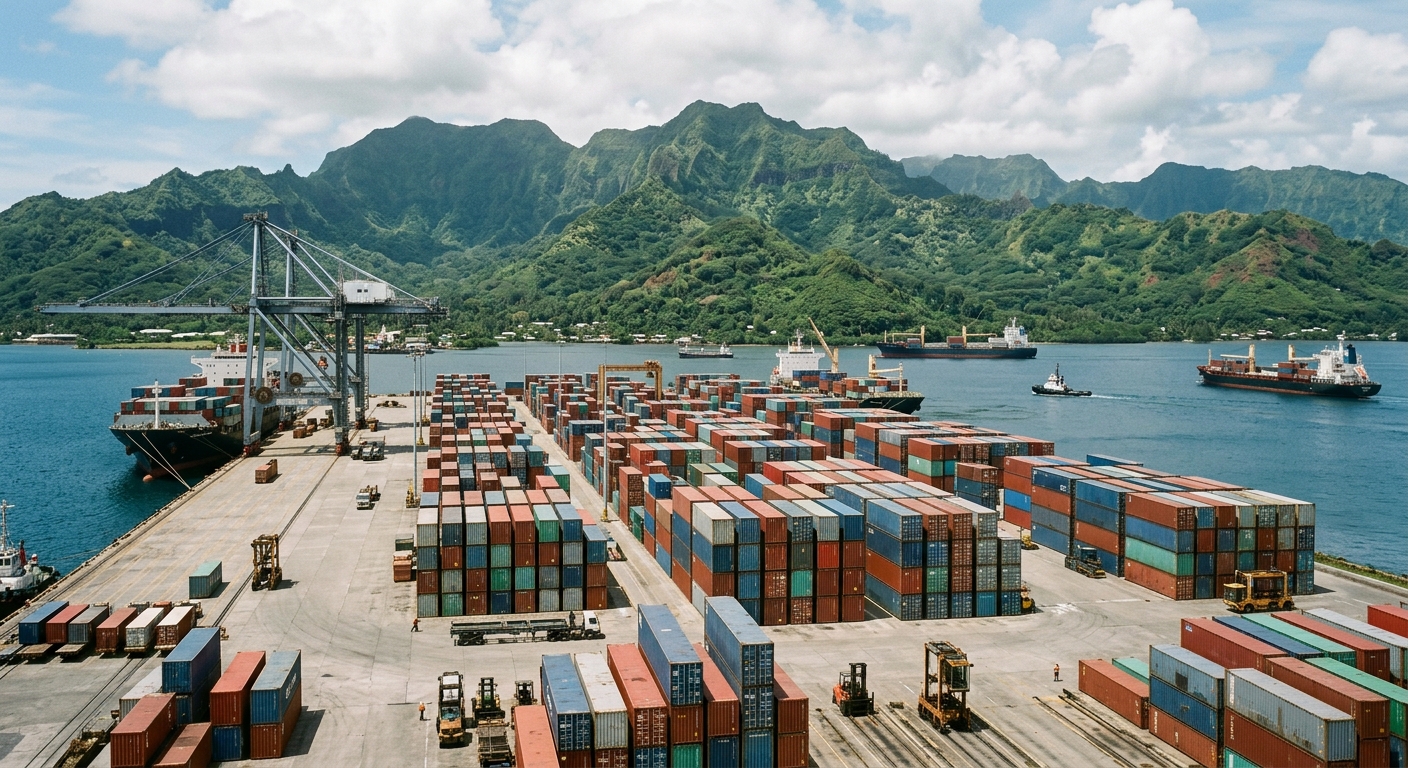
Hawaii, being a U.S. state in the middle of the Pacific, has a distinct economic character. It depends on tourism, imports for staple goods, and a service economy. When inflation increases, it affects the islands more than most mainland states because shipping costs are greater and local manufacturing is in short supply.
Now, with inflation slowing down, residents and businesses are experiencing a tangible effect.
Food prices are no longer increasing at double-digit levels. Gasoline prices, though still above the national average, have plateaued. Apartment rents in cities like Honolulu, which had skyrocketed, are now starting to stabilize. These trends are providing families with some much-needed fiscal elbow room.
Tourism Recovery Gains Momentum
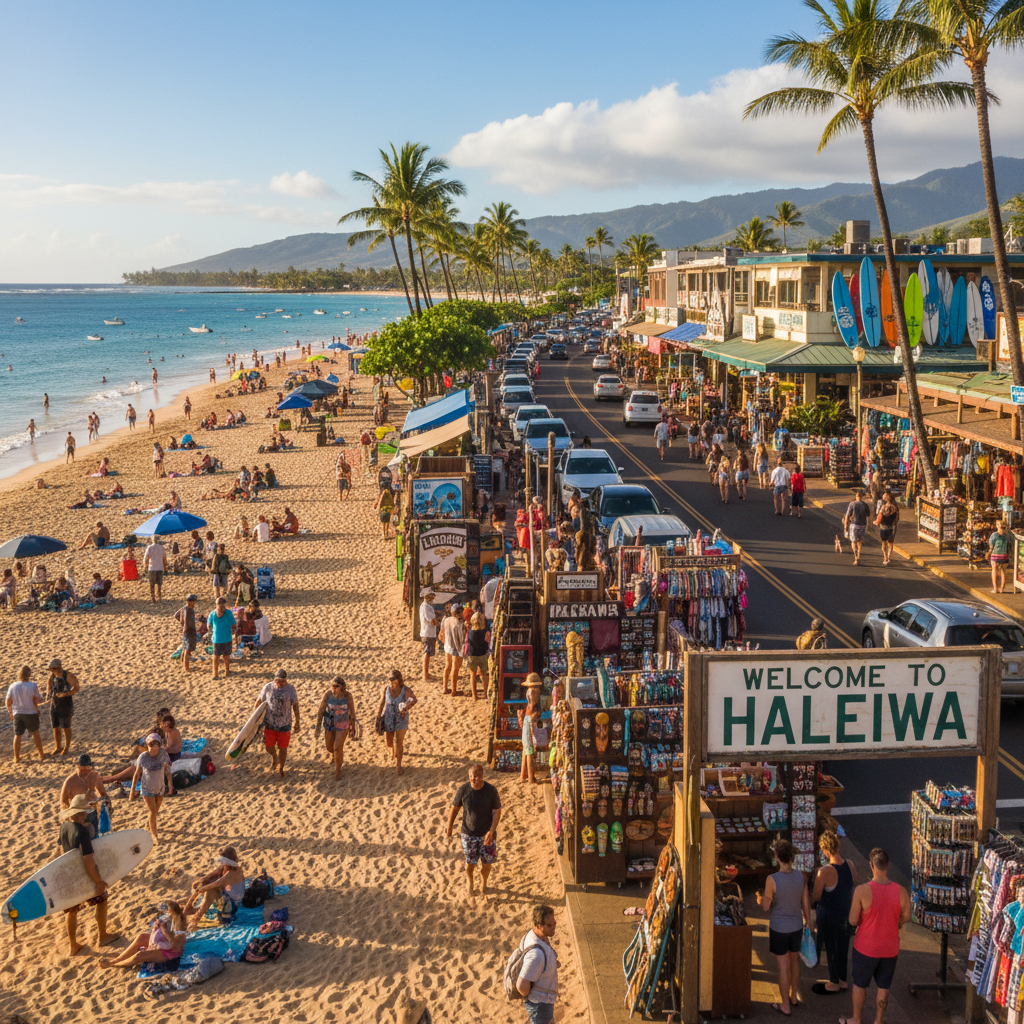
The largest gainer from falling inflation in Hawaii is likely to be the tourism industry. As costs of travel stabilize and consumer confidence builds in key feeder markets such as California, Japan, and Canada, additional people are making reservations to travel to the islands.
Hotels are experiencing increased occupancy. More direct flights are being introduced by airlines. Restaurants, tour companies, and local boutiques are experiencing more robust business. With declining inflation, customers are more willing to splurge—not only on accommodations and airfare, but on activities such as luaus, surfing instruction, and cultural tours.
This rebirth is not only beneficial to business owners—it’s hiring people, generating tax income, and keeping local communities afloat after decades of economic hardship.
Support for Small Businesses
Local business owners in Hawaii have endured a tough time since the pandemic, and the inflation peak only exacerbated the situation. With the cost of everything from eggs to electricity increasing, numerous small businesses had to increase prices, lay off employees, or shut down completely.
Now that supply chains are strengthening and inflation is easing, they’re finally finding some relief. Wholesale prices are leveling out, keeping prices under control. More stable customer demand is also making inventory planning and staff management simpler.
For numerous mom-and-pop stores in communities such as Hilo, Lahaina, and Kailua, it may be a break-even point—a possibility to rebuild, re-staff, and reclaim profitability.
Energy Prices Stabilize—A Game Changer
Energy costs in Hawaii have always been high due to its geographic isolation. Most electricity is still generated using imported oil, which makes the islands particularly vulnerable to global price swings.
The recent moderation in oil prices, combined with declining inflation, has led to slightly lower utility bills and reduced costs for businesses operating high-energy equipment like refrigeration or air conditioning. In the longer term, Hawaii’s push for renewable energy sources will help further insulate it from inflation-driven shocks.
How the Broader Pacific is Benefiting
Hawaii is not the only place experiencing the benefit of declining inflation. Pacific island nations such as Fiji, Samoa, Palau, and the Marshall Islands are also enjoying the relief of alleviating cost pressures.
In most of these nations, fuel and food imports constitute the majority of daily costs. During times of high inflation globally, they become out of reach for most people. As inflation is brought down, governments and families can more easily budget and not engage in crisis-mode expenditures.
Tourism is also a breadwinner for numerous Pacific countries. Falling global inflation translates to more visitors, more expenditure, and more secure earnings for thousands of Pacific families. Cruise ships are back on the water. Regional carriers are restoring flights. Local artists and cultural communities are dancing again. It’s a much-needed sign of normalization—and economic advancement.
Currency and Import Benefits
Lower inflation is also making currency stability firmer for most Pacific Island economies, which usually use or fix their currencies to more solid foreign currencies such as the U.S. dollar, the Australian dollar, or the New Zealand dollar.
This makes imports that little bit cheaper and enhances locals’ purchasing power. In areas where local production is weak, that means greater access to necessities such as medicine, machinery, and food without price-breaking tags.
A Balanced Recovery Ahead
Though there’s much to be thankful for, economic analysts warn the Pacific region is not entirely in the clear. Climate change, increasing sea levels, international conflicts, and tourism reliance continue to be long-term concerns.
But for the moment, falling inflation is presenting a clear window of opportunity—a moment to regroup, reinvest, and rebuild.
Governments in the Pacific and in Hawaii are already utilizing this time to enhance social protection nets, invest in sustainable development, and enhance digital infrastructure. If well handled, the recovery phase may equally be a launchpad to long-term economic resilience.
Final Thoughts
The 2025 story so far is one of optimism for Hawaii and the Pacific, albeit one tempered with caution. Inflation has decreased. Confidence has increased. And though difficulties persist, there is a real sense that the worst is perhaps behind us.
For island economies that have experienced some of the most daunting economic dilemmas in recent history, even a modest change in inflation patterns can have a disproportionate effect. And today that is being felt on kitchen tables, check-out counters, and coastal boardrooms everywhere.
As inflation cools further, Hawaii and its Pacific neighbors are showing their resilience, versatility, and hardiness. Next chapter, promising—and this time around, it seems like finally the islands are getting a break.