- calendar_today August 10, 2025
Hawaii Businessmen and Investors React to Market Volatility Following Tariff Adjustments
Introduction:
Hawaii companies are responding to the recent surge in Dow Jones futures after Donald Trump announced more flexibility in tariff policies. The change is being closely monitored by big industries such as tourism, import-export business, and local manufacturing, all of which are essential to the state economy.
As global trade conditions evolve, Hawaii’s business leaders and investors are considering the potential benefits of reduced tariff pressures. This article explores how the tariff flexibility is impacting Hawaii’s economy and what it could mean for the future of local businesses and consumer prices.
Hawaii’s Economy Responds to Market Shifts
The Dow Jones futures jumped over 600 points following Trump’s tariff flex announcement. The action can have long-term economic implications for the state of Hawaii, which relies on foreign imports and foreign tourism.
Here, analysts observe that reduced tariffs can reduce the price of imported consumer goods, including electronics, foodstuffs, and cars—a boost for price-sensitive consumers and Hawaiian businesses.
Tourism Industry Sees Economic Spike
Tourism remains Hawaii’s largest economic sector, contributing approximately $18 billion annually. Market experts believe that tariff flexibility could ease international trade tensions, leading to increased visitor spending and affordable goods for tourists.
Jessica Tanaka, the Honolulu tourism economist, said, “If world trade tensions ease, we may see a healthier stream of foreign visitors, most notably Asia and the mainland United States. That would be an enormous boost for our hospitality industry.”
Lower-cost foreign goods would be good for the tourist sector so the customer experience is rewarding and stimulating additional visitor spending.
Import-Dependent Businesses Could Get Relief
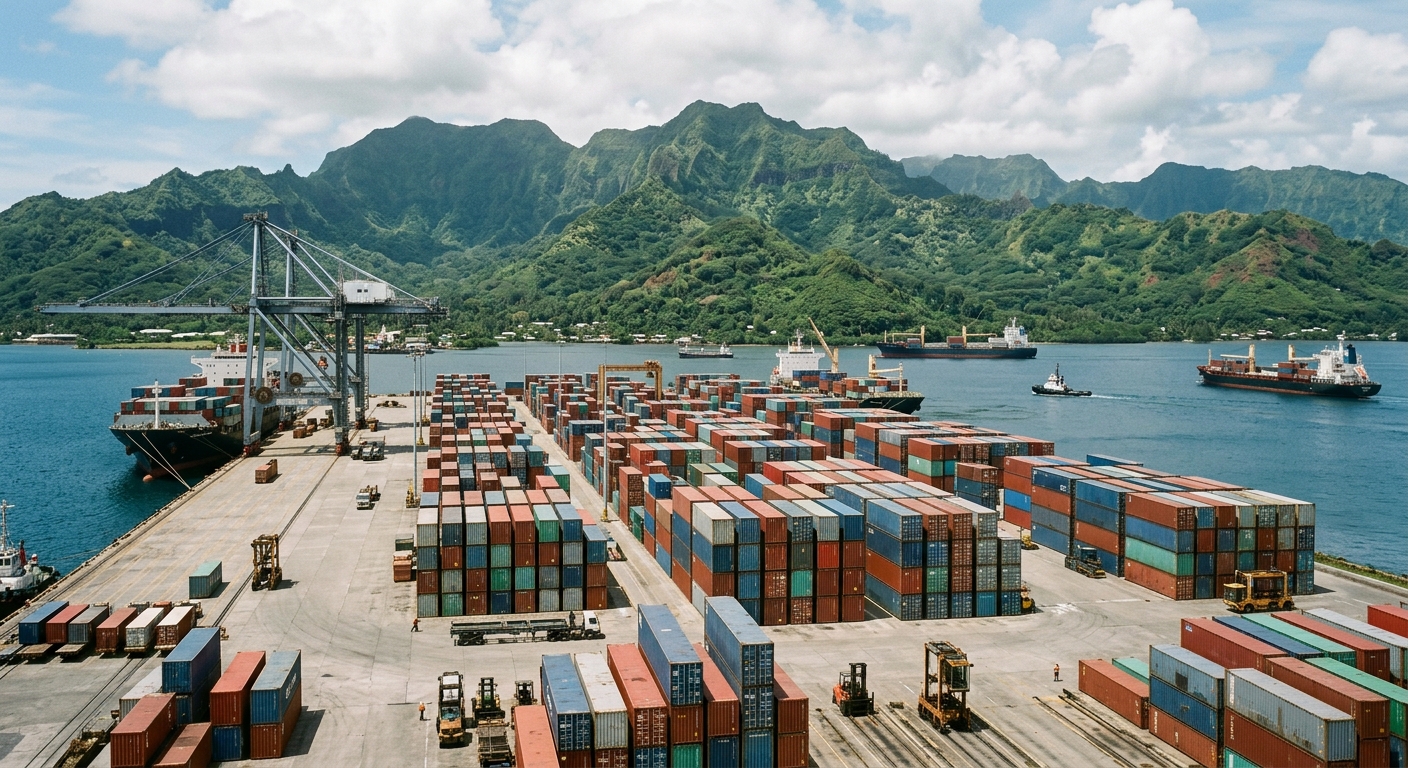
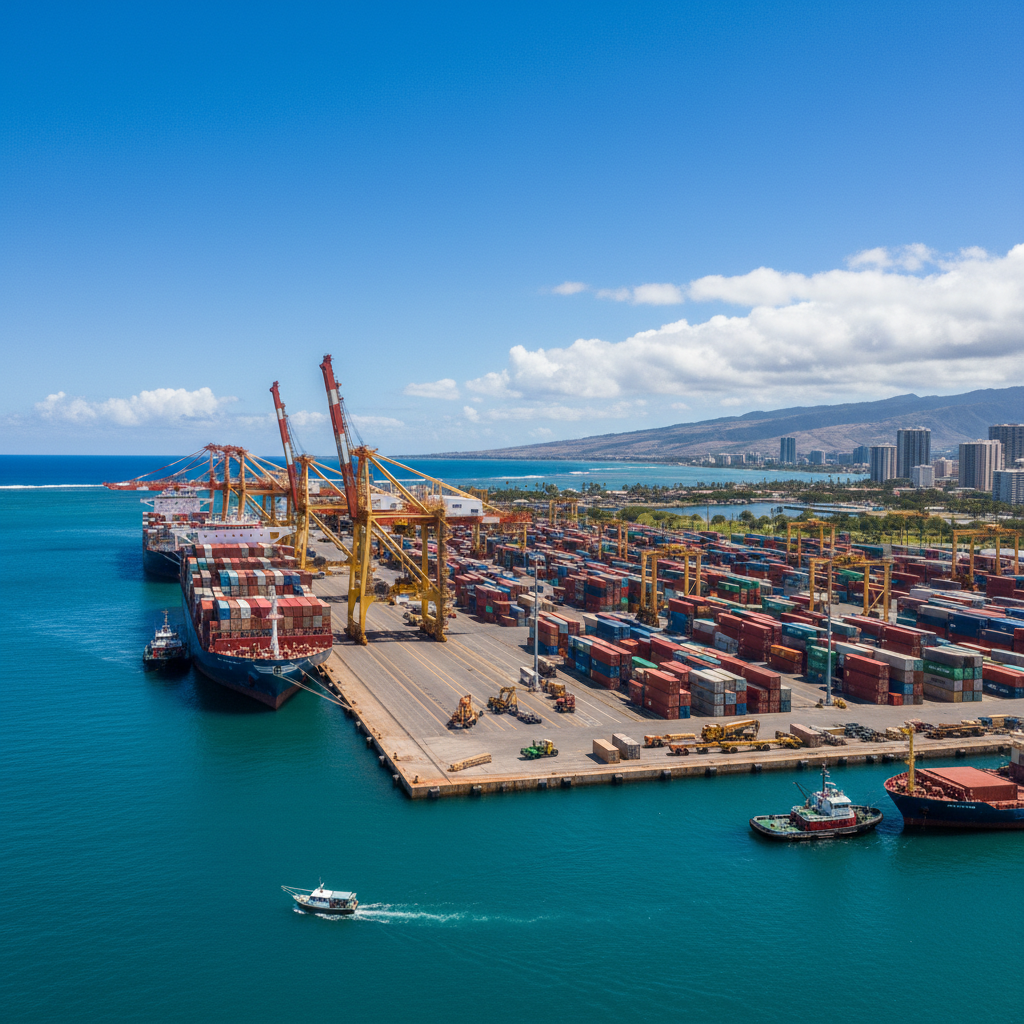
Hawaii brings in nearly 90% of its household items, and thus the state is very vulnerable to tariff-related price increases. In-state wholesalers and retailers have already seen increased costs due to previous trade conflicts.
Consumer electronics importer David Kimura was optimistic: “Lower tariffs would lower our supply chain costs and allow us to price more competitively to local consumers.”
If tariff flexibility continues, businesses importing construction materials, vehicles, and consumer electronics could experience lower operational costs, which may also benefit the real estate and infrastructure sectors.
Local Manufacturing Faces New Opportunities
While Hawaii’s manufacturing sector is relatively small, industries such as food processing and renewable energy could benefit from cheaper imported materials. Lower tariffs on solar panels and energy equipment could accelerate Hawaii’s clean energy initiatives.
The Hawaii Clean Energy Initiative is trending towards 100% renewable energy in 2045. With diminishing prices on foreign technology, the solar and wind industries might experience rapid growth and investment.
Hawaii Investors Eye Long-Term Growth
Hawaii local investors are being cautiously optimistic as they analyze the impact of tariff uncertainty on market growth. The recent rise in Dow Jones futures reflects renewed optimism from investors, particularly in sectors that are connected with global trade.
Investment firms in Honolulu have reported a surge in investor demand for consumer staples, technology, and infrastructure stocks. As tariff flexibility provides long-term benefits, investors expect the industries to perform well in the event of further falling trade barriers.
Consumer Impact: Cheaper Household Items
Fainess in Hawaiians’ tariffs would mean lower prices for basic items. The state’s high cost of living—partially driven by the expense of importing items in—can potentially relax with reduced tension in global trade barriers. Reduced tariff on food essentials, clothing, and domestic appliances could deliver budget relief to indigenous households. That could drive household expenditure and indirectly allow sustained Hawaii economic growth.
While Hawaii’s investors and businesses welcome the Dow Jones futures rise and tariff flexibility, much depends on future trade negotiations and the stability of global markets.
If these policy adjustments continue, Hawaii could see reduced consumer costs, increased tourism, and stronger economic growth. Business leaders remain hopeful that continued tariff relief will provide a more stable economic environment for the state.
Conclusion:
Hawaii investors and markets are warily optimistic in the wake of Dow Jones futures jumps associated with Trump tariff concessions. As Hawaii observes these policy shifts take place, the tourism industry to import-export business sectors look forward to economic respite and fresh growth prospects.
With diminishing tariffs potentially reducing fiscal pressures on businesses as well as consumers alike, Hawaii is likely to see sustained economic benefits over the coming months.