- calendar_today August 9, 2025
In 2025, the once-sizzling real estate markets of Hawaii and the broader Pacific territories—including Guam and American Samoa—have entered a cooling phase. After years of heightened buyer activity, price surges, and limited supply, the region is now facing what experts are calling a “housing market freeze.” While not a collapse, this pause in momentum stems from a blend of economic, geographic, and policy-driven challenges.
Mortgage Rates Create a Barrier to Entry
A primary factor slowing down Hawaii’s housing market is the persistently high mortgage interest rates, which have remained well above 6.5% throughout the year. For a market historically reliant on both local buyers and mainland U.S. investors, this rate increase has effectively priced out a wide segment of potential homeowners.
In Oahu, for instance, median home prices remain above $1 million, and even modest interest rate hikes dramatically increase monthly payments. First-time buyers and working families find themselves squeezed out, unable to qualify for loans or afford the total cost of homeownership.
In Guam and the Northern Mariana Islands, where average incomes are lower, even smaller rate hikes have a disproportionate effect. The result is a dramatic drop in mortgage applications, especially for single-family homes.
Inventory: Scarce and Static
Limited land and strict zoning laws in places like Honolulu, Maui, and American Samoa restrict the pace of new development. Developers often face lengthy permitting processes and environmental reviews, particularly in protected areas. Even when construction is approved, high material and labor costs in these remote regions make projects financially risky.
As a result, inventory remains critically low—too low to meet long-term demand, but paradoxically too expensive to attract immediate buyers. According to the Hawaii Association of Realtors, new listings are down 12% from 2024, while active listings remain on the market longer, signaling buyer hesitation.
Affordability Crisis Continues
Affordability has long been a sticking point in Hawaii’s housing market. In 2025, it’s reached a boiling point. A recent University of Hawaii study showed that more than 60% of renters on the islands are cost-burdened, meaning they spend more than 30% of their income on rent. Homeownership is even further out of reach for most.
This pressure has pushed younger generations to delay buying homes—or to leave the state entirely in favor of more affordable mainland markets like Nevada or Texas. On the island of Molokai, for example, population decline has caused both rental and for-sale markets to stagnate.
Meanwhile, military personnel and federal workers—especially in Guam and the Marshall Islands—are often insulated from some financial challenges due to housing subsidies. However, they represent a limited pool of buyers and cannot compensate for broader economic weaknesses.
Tourism Slowdown Impacts Second-Home Sales
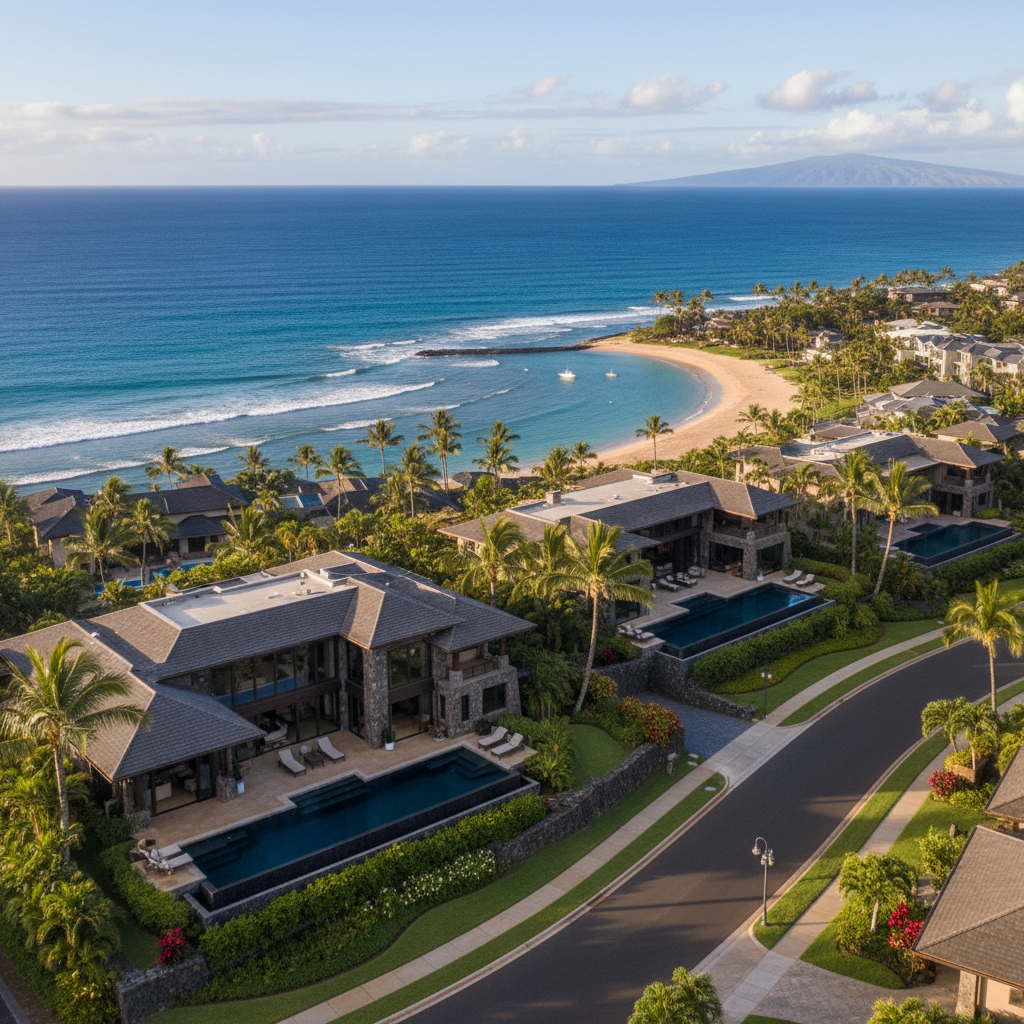
Tourism has always played a significant role in the Pacific’s housing sector, particularly through second-home purchases and short-term rentals. Yet, in 2025, visitor numbers are down across the region due to global economic uncertainty, high travel costs, and changing international tourism trends.
Investors who previously bought homes to operate as vacation rentals are now reconsidering. Some are selling, while others are pausing further investments due to new regulatory crackdowns on short-term rentals in places like Maui and Big Island. This has added downward pressure on luxury home values while freezing interest in upscale developments.
Policy and Tax Shifts Add to the Slowdown
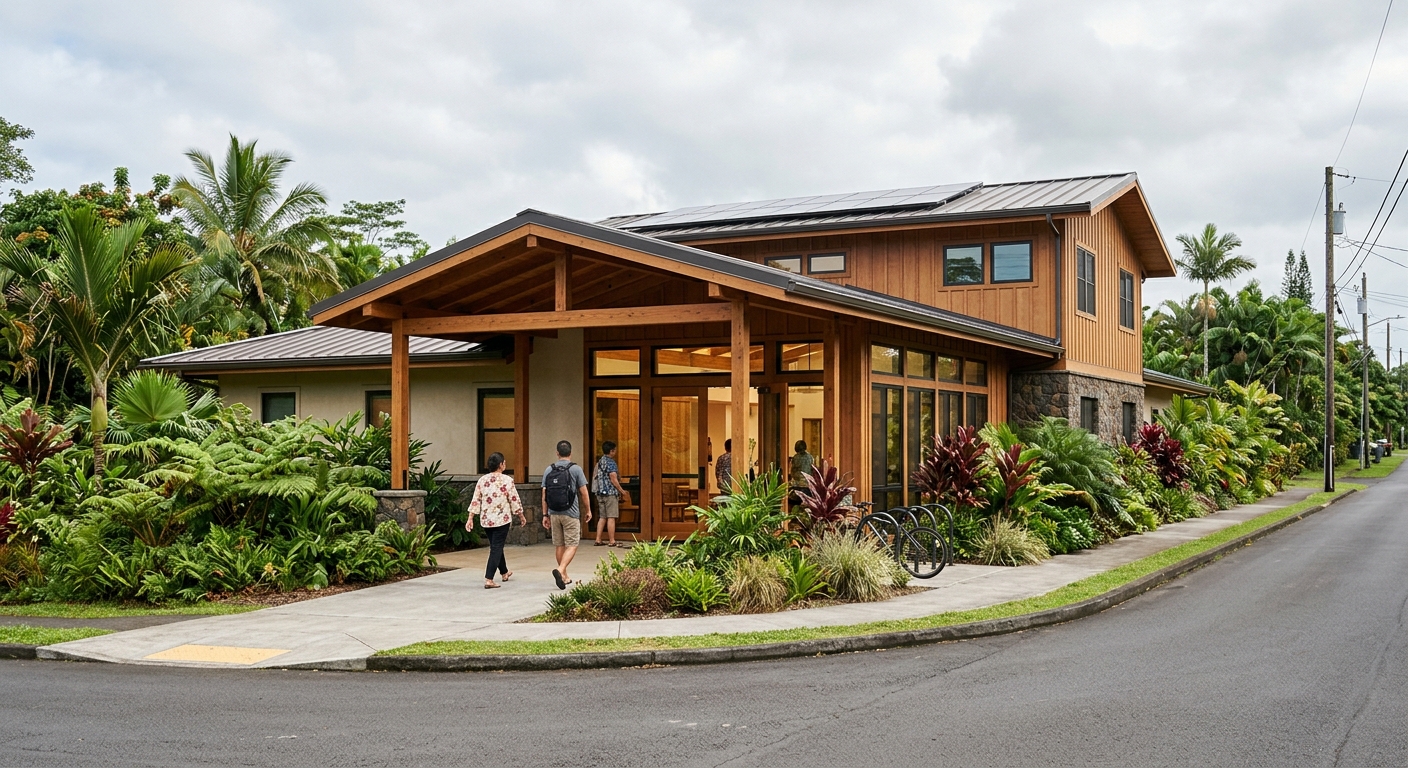
In 2025, Hawaii enacted several housing-focused legislative measures designed to rein in speculation and increase affordability. These include higher taxes on vacant homes, restrictions on foreign buyers, and limitations on short-term vacation rentals in residential zones.
While these policies aim to rebalance the housing ecosystem, they have also led to market uncertainty. Investors, unsure of future tax burdens or zoning restrictions, are now sitting on the sidelines, contributing to the market freeze.
Similarly, Guam has introduced discussions around property tax reform aimed at curbing overseas speculation—another move that could reduce investor enthusiasm in the short term.
Rental Market Becomes the Default
With homeownership out of reach for many, the rental market has become the default housing solution for Pacific residents. Yet, this sector too is under strain. In Honolulu, average monthly rents have surpassed $2,200, while in American Samoa, rent inflation has outpaced wage growth.
The demand for affordable rental housing is so high that some families are resorting to multi-generational living or relocating to less desirable locations. Government-subsidized housing programs are oversubscribed, and waitlists continue to grow.
Construction Challenges Persist
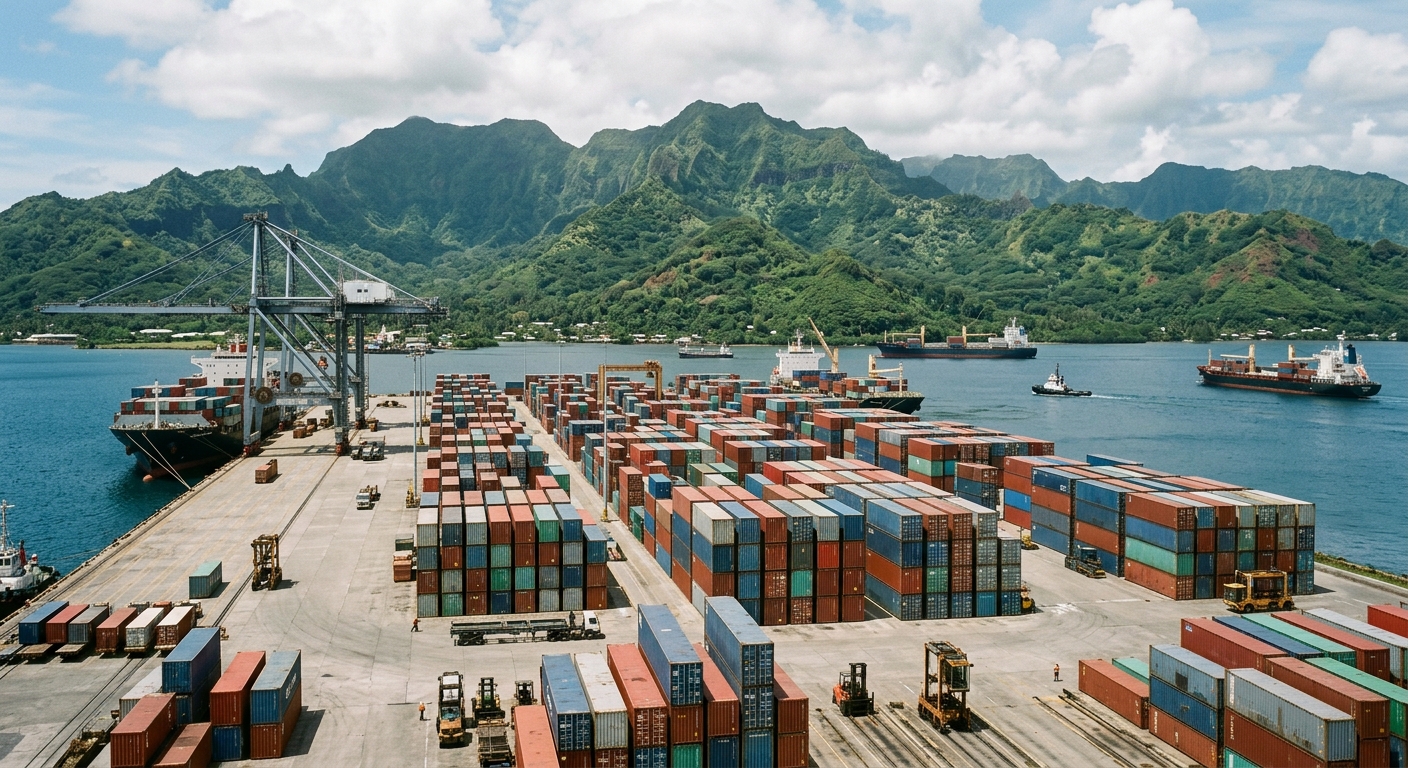
Supply chain disruptions that began in 2022 still affect Pacific construction. Shipping materials to islands is costly, and labor shortages persist due to outmigration and limited vocational training pipelines.
Many developers are pausing projects or scaling down plans in the face of high input costs and unpredictable demand. On the Big Island, several multi-family projects approved in 2023 have yet to break ground.
Where Does the Market Go From Here?
Experts believe the freeze will persist into early 2026 unless one of two things happens: a significant drop in interest rates, or a large-scale intervention to build more affordable housing stock. Neither appears imminent.
However, regional governments are increasingly aware of the crisis. Hawaii’s state government is expanding affordable housing programs and streamlining permitting processes for ADUs (Accessory Dwelling Units). Guam is exploring public-private partnerships to create mixed-use developments, and the Pacific Islands Forum has begun discussing regional housing solutions tied to climate resilience and economic sustainability.
Final Takeaway
The 2025 housing market freeze across Hawaii and the Pacific region is not just about interest rates—it’s the cumulative result of affordability issues, tourism shifts, construction barriers, and long-standing policy challenges. While the market hasn’t crashed, it’s largely stalled, leaving buyers, sellers, and policymakers facing tough questions about the future of homeownership in island economies.
If left unaddressed, the freeze could deepen into a more persistent affordability crisis. But with the right interventions, these regions may yet chart a path forward—one that balances housing access with long-term sustainability.