- calendar_today September 1, 2025
Amazon.com Inc. (NASDAQ: AMZN) ended the trading day at $146.82, up 2.3 percent and outperforming the NASDAQ Composite. For Hawaii and the broader Pacific territories, that performance reflects a steady expansion of Amazon’s logistical and technological footprint.
Honolulu has emerged as Amazon’s central operations hub for the state, serving as a bridge between mainland U.S. supply chains and the dispersed island communities of Hawaii. From here, goods are distributed to Oʻahu, Maui, Kauaʻi, and the Big Island, while also acting as a transshipment point for the company’s operations in U.S. Pacific territories such as Guam, American Samoa, and the Northern Mariana Islands.
The unique geography of Hawaii and the Pacific islands demands creative logistics solutions. Amazon has deployed AI-driven route optimization software that factors in weather patterns, inter-island flight schedules, and port operations to minimize delivery delays.
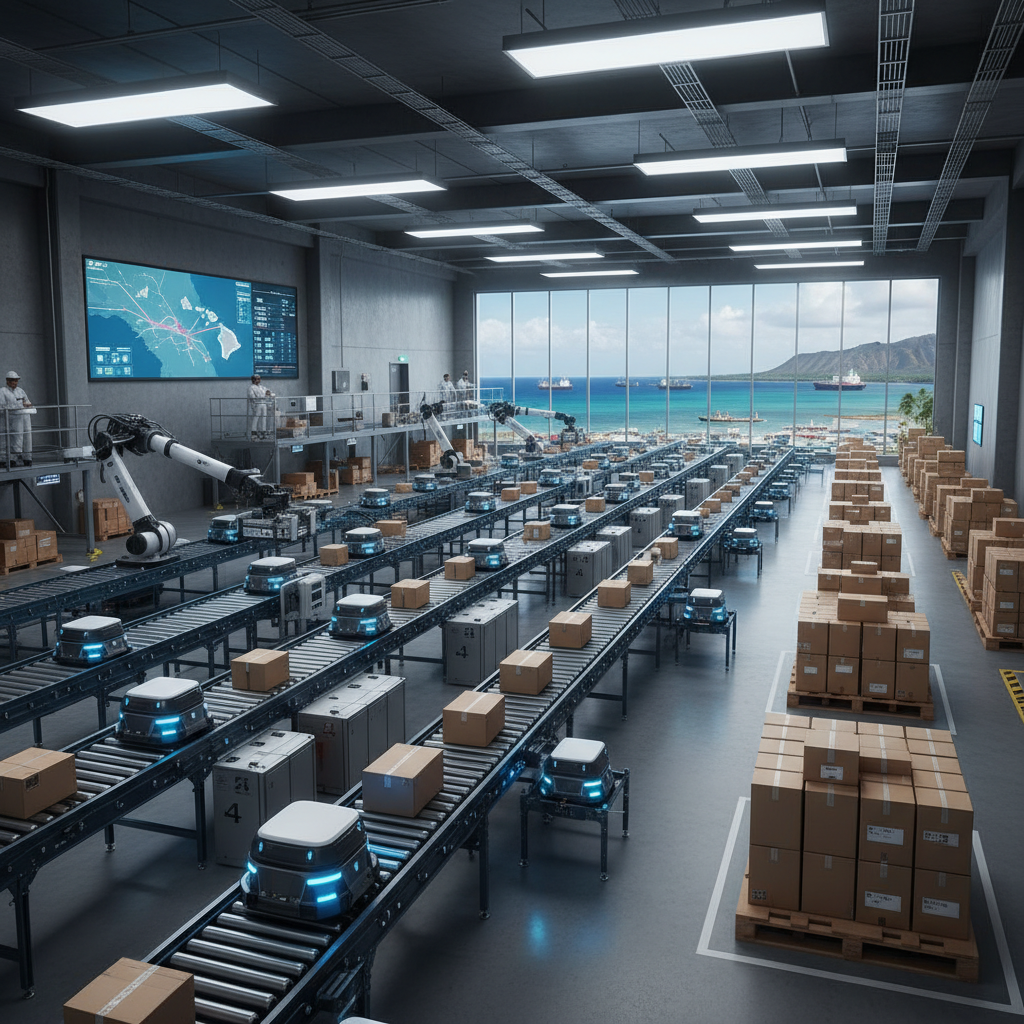
In Honolulu, automated sortation facilities now use computer vision to handle high volumes of packages bound for both urban addresses and remote island drop-off points. Machine learning models predict demand spikes based on tourism trends, ensuring warehouses are stocked ahead of seasonal surges.
AWS Cloud Growth in Hawaii and the Pacific
While Hawaii is better known for tourism, the state is quietly becoming a niche data and technology hub. Amazon Web Services (AWS) has expanded its edge network presence in Honolulu, improving latency for businesses and government agencies across the Pacific.
In Guam, AWS has partnered with telecommunications providers to offer secure, low-latency cloud connections that support defense, education, and healthcare projects. Local universities, including the University of Hawaii, are collaborating with AWS on AI and sustainability research, ranging from marine ecosystem modeling to renewable energy grid optimization.
Economic Climate Supports Expansion
Hawaii’s economy is recovering steadily from pandemic-era tourism downturns, and the Pacific territories are diversifying beyond traditional sectors like agriculture and fishing. Amazon’s entry into these markets brings new job opportunities, particularly in warehousing, last-mile delivery, and IT support.
With inflation in Hawaii easing to 3.1 percent and freight rates stabilizing, the company is better positioned to manage costs in a region where transportation is historically expensive.
Overcoming Remote Supply Chain Obstacles
Unlike mainland U.S. operations, Amazon’s Hawaii and Pacific supply chain relies heavily on a mix of air cargo and ocean freight. AI analytics track vessel arrival times and coordinate with barge operators to ensure smooth inter-island transfers.
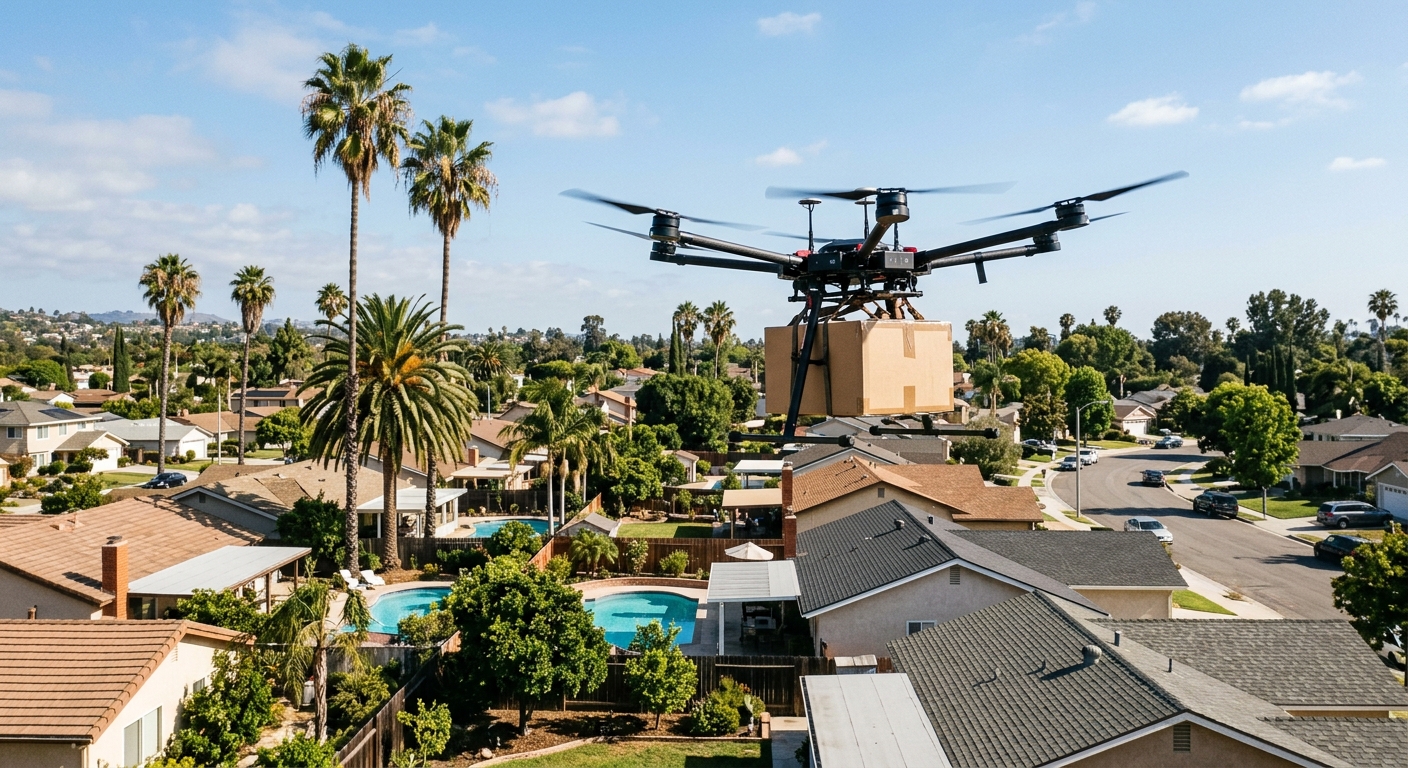
The company has also piloted drone delivery programs in select rural Hawaiian communities, exploring how UAV technology could reduce delivery times for essential goods like medical supplies.
Job Creation and Workforce Training
Amazon has become a growing employer in Hawaii, with hundreds of staff across fulfillment centers, delivery hubs, and AWS operations. Many roles are tailored to the region’s needs — for example, positions in maritime logistics and air freight coordination.
Through partnerships with local vocational schools, Amazon funds cloud computing and AI certification programs. These initiatives not only prepare workers for roles within the company but also strengthen the broader regional tech ecosystem.
Supporting Local Sellers and Cultural Exports
Hawaii and Pacific-based artisans, farmers, and entrepreneurs are increasingly turning to Amazon Marketplace to reach mainland and international buyers. Sellers offer products ranging from Kona coffee and macadamia nuts to Polynesian-inspired home décor.
Amazon’s Fulfillment by Amazon (FBA) service allows these small businesses to store products in mainland U.S. warehouses, cutting shipping times and making Hawaiian goods more competitive globally.
Renewable Energy Commitments in the Pacific
Hawaii’s aggressive renewable energy goals align closely with Amazon’s corporate climate pledge. The company has invested in solar installations on Oʻahu and Maui, as well as battery storage systems that help stabilize the islands’ electrical grid.
In Guam, Amazon supports microgrid projects powered by wind and solar to reduce dependency on imported diesel fuel. Electric delivery vans are also being tested in Honolulu, with plans to expand to other islands as charging infrastructure improves.
Serving Remote Pacific Territories
In places like American Samoa and the Northern Mariana Islands, Amazon’s entry has helped modernize delivery and commerce infrastructure. By leveraging regional partnerships with shipping companies, Amazon can deliver goods faster and more reliably than many traditional retailers.
The company’s AWS arm is also supporting disaster preparedness in these territories, providing cloud-hosted mapping tools to aid in hurricane and typhoon response.
Competitive and Cultural Landscape
While Amazon dominates e-commerce in much of the U.S., Hawaii and the Pacific feature unique competition from local cooperatives and regional shipping companies. Cultural considerations also play a role, with communities often prioritizing local business support.
To integrate effectively, Amazon has sponsored community events, invested in Hawaiian language digital tools, and supported nonprofits focused on environmental preservation and youth education.
Outlook: Hawaii and the Pacific as a Gateway Region
From AI-powered logistics to renewable energy innovation, Amazon’s Hawaii and Pacific operations are becoming an important link in the company’s global network. The region’s unique logistical challenges also make it a testing ground for solutions that could be applied to other remote markets worldwide.
With infrastructure investment, workforce development, and cultural engagement, Amazon is positioning Hawaii and the Pacific not just as service areas, but as strategic gateways connecting the U.S. mainland to Asia and Oceania.