- calendar_today August 7, 2025
US Tariffs Arrive Too Late for In-Transit Games, Studios Say
The board game industry is a beloved niche of creators and hobbyists known for its innovation, its tight-knit community, and its famously low profit margins. This week, one of its biggest names, Jamey Stegmaier, designer of fan-favorites like Scythe and Wingspan, went public with his personal dread and financial devastation after a newly imposed 54 percent tariff on Chinese goods was announced.
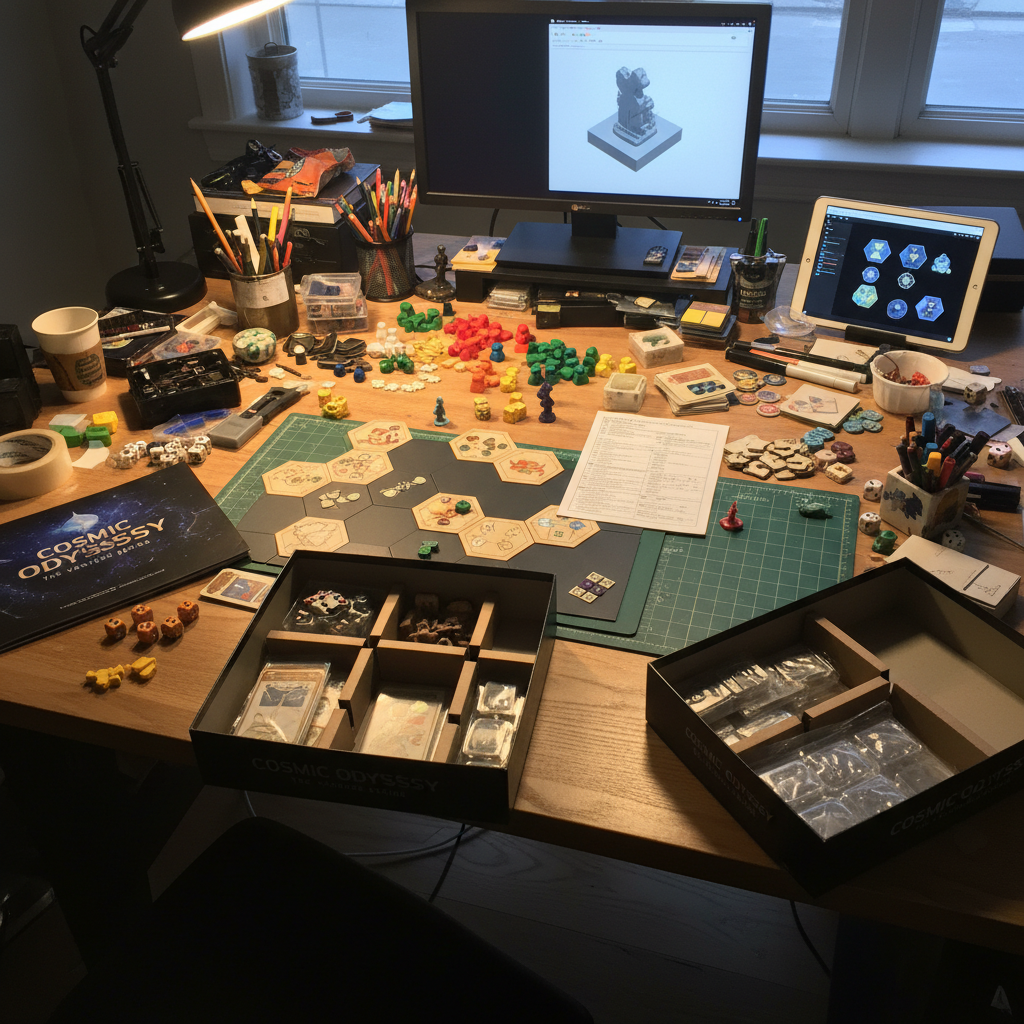
Stegmaier wrote in a blog post, “Last night I tried to work on a new game I’m brainstorming, but it’s tough to create something for the future when that future looks so grim. I mostly just found myself staring blankly at the enormity of the newly announced 54 percent tariff.” This was an extraordinarily personal and emotional moment for an industry titan responsible for some of the most globally recognized titles in tabletop gaming, and one that many in the industry have since expressed solidarity with.
Production in China: The Standard for a Reason
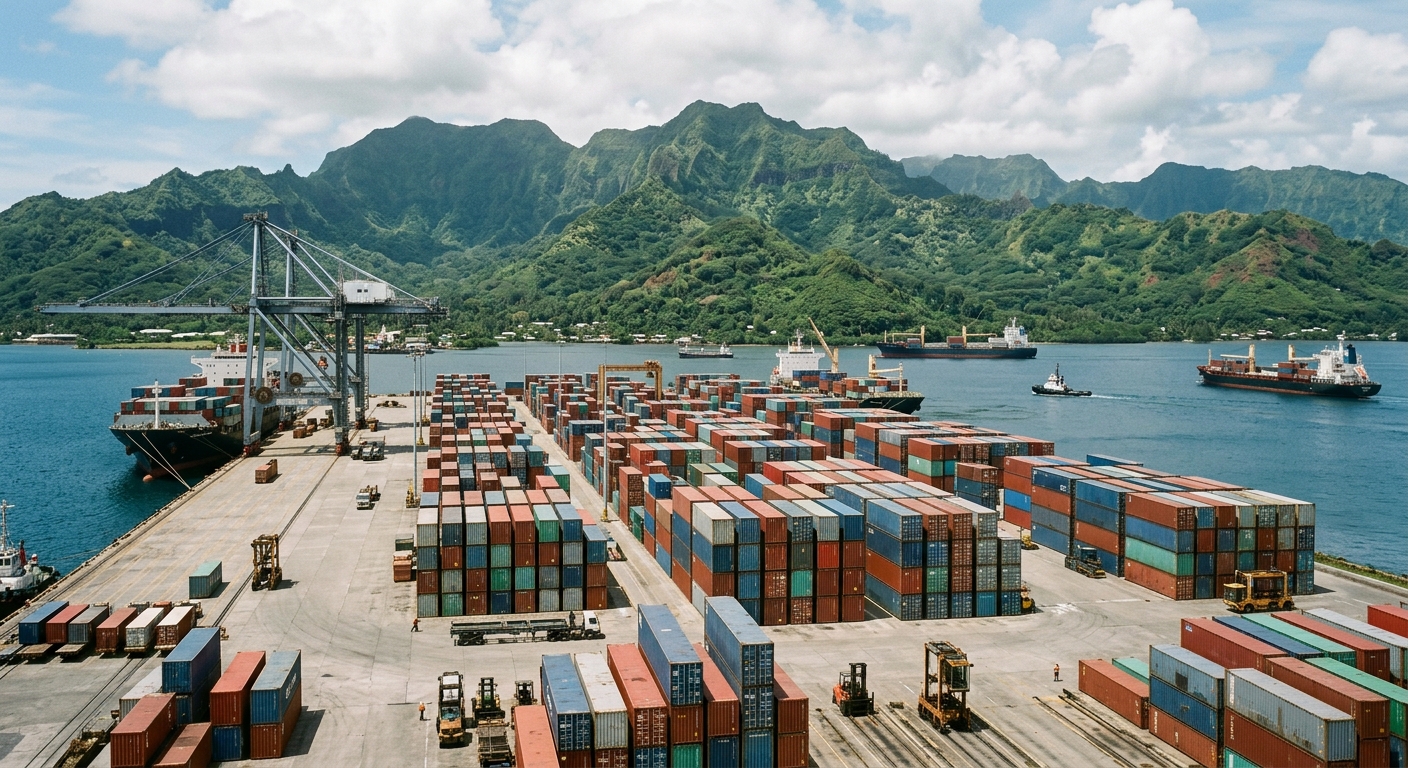
The state of American board game production has been a near-monopoly in China for years. Countries like Germany (the unofficial home of modern tabletop gaming) have some board game production capacity, but nothing as comprehensive as China’s. That means not just printed cards, but custom plastic miniatures, wooden tokens, die-cut boards, specialty dice — everything is shipped from Asia, for better or worse.
It’s not that domestic production is out of the question, just out of the budget. Stegmaier recounted being quoted a price of $10 by a domestic manufacturer for just an empty game box. For that same $10, he says a game can be produced and packaged in China.
It’s no wonder, then, that this new tariff is so upsetting. Most board game publishers in the U.S., especially smaller ones, have very little to no cushion in their margins. A sudden, previously unplanned increase in costs at such a scale with no chance for adjustment is… well, drastic.
Reaction From Industry Leaders
One of those leaders is Meredith Placko, CEO of Steve Jackson Games, publisher of such industry cornerstones as Munchkin. In a recent open letter post, Placko, who is based in the U.K., reiterated Stegmaier’s rationale for why her company is equally reliant on Chinese production.
“I get that some people ask, ‘Why not manufacture in the US?’” Placko wrote. “I wish we could. But the reality is that the infrastructure to support full-scale boardgame production — specialty dice making, die-cutting, custom plastic and wood components — doesn’t meaningfully exist here yet. I’ve gotten quotes. I’ve talked to factories. Even when the willingness is there, the equipment, labor, and timelines simply aren’t.”
Placko went on to suggest that this new tariff is not just a matter of inconvenienced logistics — it’s an attack on the industry’s very foundations. “It’s not just a policy change,” she said. “It’s a seismic shift.”
Another industry voice is that of Rob Daviau, Restoration Games co-founder and designer of Pandemic Legacy. Daviau, Stegmaier’s co-founder at Stonemaier Games, has been outspoken for months on social media about the policy and its effect on their business. He’s now been warning in meetings for almost a year that if a tariff this large were ever applied, “we would see a great collapse in the hobby gaming market in the US.”
Gamers and Retailers Hit as Well
The trickle-down effects on consumers are inevitable, too. Gamers will almost certainly see higher retail prices for new games. Some publishers will likely cut production corners in an attempt to keep prices steady. Others will simply scale back new releases in other ways.
The fear is also for local game stores, which have been struggling to compete against online shopping for years, to take another hit as gamers bunker down with the games they have (many have unplayed board games on their “shelves of shame” waiting to be played) or buy elsewhere.
“Within a few months, US companies will lose a lot of money and/or go out of business,” Stegmaier said. “And US citizens will suffer from extreme inflation.”
Limited Workarounds for US Firms
Some publishers may be able to route their shipments through non-U.S. distributors and avoid the tariff for now, though European markets, for example, are less affected and still come at a loss. In any case, this doesn’t help the companies that are American themselves.
“It’s important to note that, in the same breath I raise my voice in frustration about this situation,” Stegmaier added, “I recognize this is the worst-case scenario for US companies and the best-case scenario for foreign ones. 65% of our sales are in the US. This will hurt us directly.”
The most galling part of this for many publishers is the non-apologetic timing of the tariff. Games that are still in the design or early production phases can budget for this new cost. But for titles already printed and shipped from China and already on their way to the U.S.? Tough luck. Chris Solis, head of Solis Game Studio in California, took to social media to air out the frustrating truth: “I have 8,000 games leaving a factory in China this week and now need to scramble to cover the import bill.”
Industry Attempts to Combat Tariffs
The Game Manufacturers Association (GAMA) has been lobbying to head off these tariffs for months. While the group has yet to see much success, it’s worth noting that not all board games are subject to tariffs under the new policy.
BoardGameWire reached out to Wizards of the Coast, and a representative noted that while tariffs would apply, “at this time we have no plans to pass along these additional costs to our customers.”
Board Game Manufacturers Association has been actively working on this topic for years. They were in touch with the US Trade Rep weeks ago to try and head this off, and have been given virtually no indication it’s going to change.
Indie Coalition Game Manufacturers Association
GAMA’s Indie Coalition board game publishers were formed in 2019 to address the very issues the industry now faces. The group, which has 50 board game publishers among its members, made a statement on the tariff, noting “the average game currently imported into the U.S. will see a tariff increase of more than 300 percent.”
We will say more about this as the picture becomes clearer, but this is a blow to game production as it exists in the US currently, and will damage jobs at a time when that’s the last thing our country needs. #tarifftoplay
Indie Coalition board game publishers (@indiecoalition) July 9, 2020
An Uncertain Future
For a community that defines itself by love, joy, and friendship, the immediate future of the hobby gaming market looks bleak.
“The vast majority of us will either go broke or be driven out of the hobby as a result,” Stegmaier said. “Most of us are going to say something like ‘I don’t know how we can pay for this.’”
It’s one of the most dramatic challenges in the industry’s modern history. Only time will tell if the efforts to lobby on behalf of the small, personal, creative niche of American game manufacturing can have any effect in this new, deeply industrial environment.