- calendar_today April 27, 2026
Hawaii & Pacific communities are closely watching developments in mount fuji tourism as the town of Fujiyoshida, situated at the foot of Japan’s iconic Mount Fuji, contends with a dramatic influx of visitors. The region’s signature cherry blossom season now draws travelers in record numbers, presenting both opportunities and challenges for local residents and authorities.
Surge in Fujiyoshida Tourism
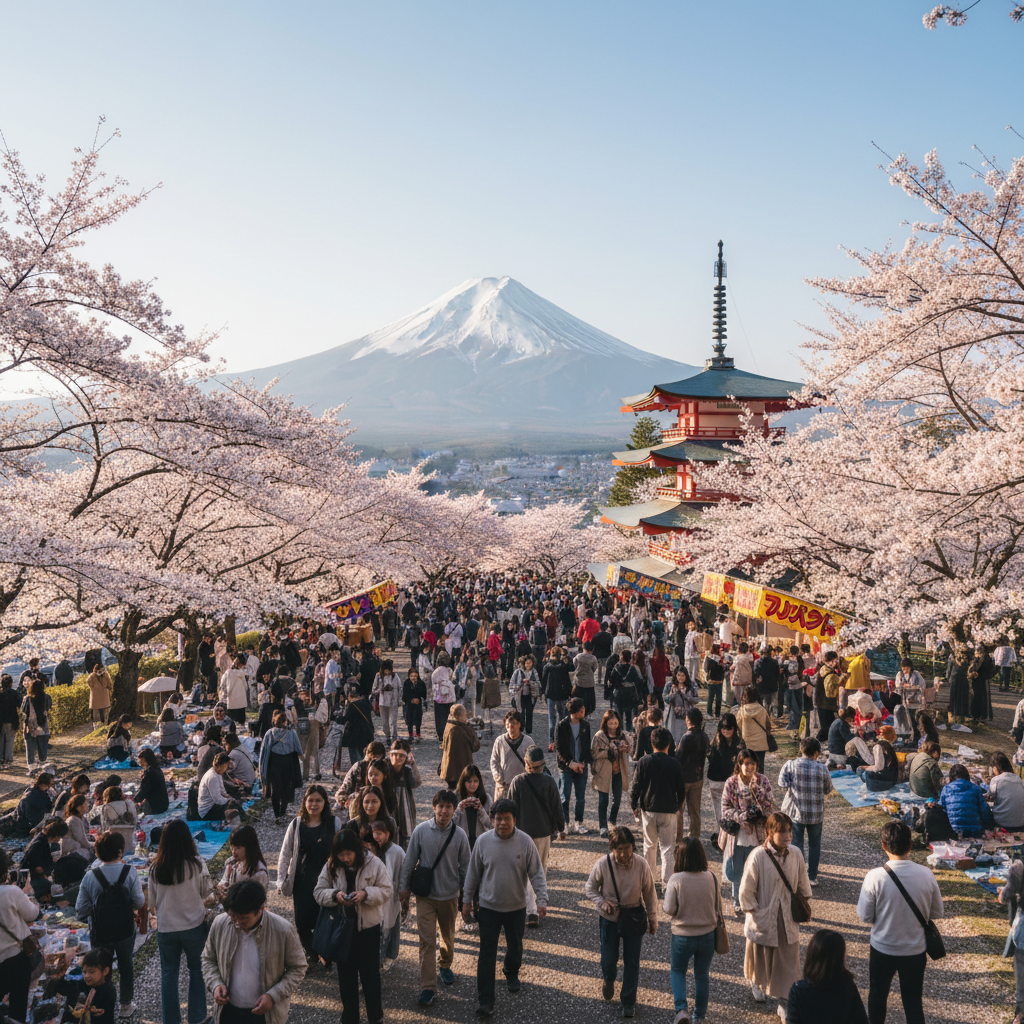
The past decade has seen the number of foreign mount fuji visitors to Fujiyoshida double, reaching an estimated 42 million in 2025. This remarkable growth in fujiyoshida tourism has put significant pressure on infrastructure, services, and the natural environment. Residents have voiced concerns about overtourism problems, including overcrowding, noise, and disruption to the tranquility the town is known for throughout the Hawaii & Pacific region.
Cherry Blossom Season and Local Impact
During cherry blossom season, the influx is especially noticeable. The iconic cherry trees and vibrant festivals traditionally attract several thousand tourists daily to popular spots such as Arakurayama Sengen Park. However, in an effort to cope with mounting tourism impact, local officials made the difficult decision to cancel the town’s annual cherry blossom festival this year. While cherry blossom viewing remains accessible, the festival’s cancellation serves as a clear message about the limits to which local communities can accommodate growing crowds.
Concerns Over Tourist Behavior
Overcrowding during peak travel periods has been exacerbated by problematic tourist behavior, including littering, disregard for local customs, and general disrespect for the peaceful routines of residents. Such actions have not gone unnoticed, particularly as some visitors neglect to observe japanese customs like quiet reflection at shrines or appropriate waste disposal. In response, teams of residents and volunteers now patrol popular areas, educating tourists about responsible conduct and the values that define local culture.
Balancing Economic Benefit and Community Welfare
Despite frustrations, the local government acknowledges the economic advantages of a robust tourism industry. Mount fuji tourism supports small businesses, attracts global attention, and helps fund preservation efforts. Yet, a growing segment of the community urges visitors to seek more meaningful engagement than simply photographing scenic spots for social media. Discussions about tourist restrictions and the future direction of tourism management have become central topics among town leaders and residents alike.
Emphasizing Cultural Understanding
Efforts to strengthen the relationship between visitors and the local community are underway in Fujiyoshida. Cultural programs, guided tours, and educational signage foster greater appreciation for both the natural landscape and traditional practices. These initiatives are intended to ensure tourists understand the importance of respecting local customs and the unique environment surrounding Mount Fuji.
Lessons for Hawaii & Pacific Communities
As Hawaii & Pacific destinations experience similar surges in tourism, many look to the challenges faced by Fujiyoshida as a warning and a lesson. The balance between economic benefit and protection of community values remains delicate. Sustainable tourism management, cultural sensitivity, and mutual respect are now seen as essential to preserving both natural beauty and the quality of life for local populations. As global travel continues to grow, the experiences of Fujiyoshida during cherry blossom season offer an important guide for destinations worldwide.