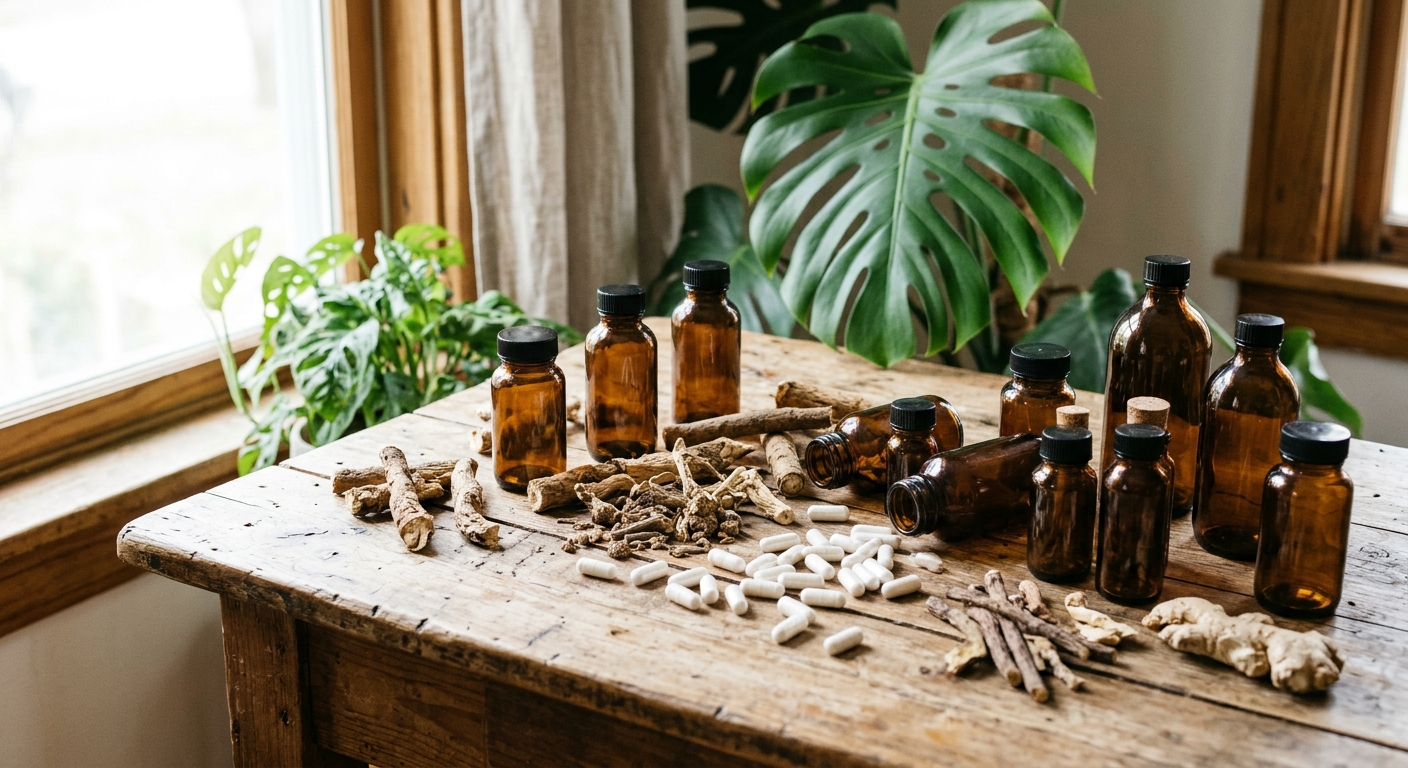
AI-generated illustration; not a photograph of the reported event.
- calendar_today October 30, 2026
The Risks of Multiple Treatments: Polypharmacy and Herbal Remedies
When seeking medical care, it is common to receive several prescriptions for medications addressing not just the primary complaint, but also a range of preventative treatments. Often, this leads patients to also consider herbal remedies or supplements promoted as natural alternatives or additions. While hoping to maximize their health, many inadvertently engage in polypharmacy—the simultaneous use of multiple medications—or combine drugs with herbs and supplements, creating a complex mix of potential interactions.
Unpredictable Nature of Drug and Herb Combinations
Combining various drugs and supplements can yield unpredictable biochemical interactions. Pharmaceutical drugs typically undergo rigorous testing, but rarely for interactions with more than one other medication at a time. Herbal supplements, often considered food products, face far less scrutiny. As a result, little is known about the complex ways that multiple drugs, herbal remedies, and supplements may interact inside the body.
Role of Enzymes in Drug Metabolism
The body’s ability to process drugs hinges upon certain liver enzymes. These enzymes determine how a drug is metabolized and how long it stays active in the body, a concept known as drug half-life. Each individual has unique enzyme levels, affected by genetics and age, leading to variations in how people respond to the same drug. Importantly, many medications and herbs are metabolized by the same enzymes. When these enzymes are overstressed, drugs can build up to toxic levels, increasing risk of side effects and overdose.
Examples of Specific Interactions
Some herbs can slow or speed up drug metabolism:
- Goldenseal (Hydrastis canadensis): Inhibits enzymes CYP3A4 and CYP2D6, which can cause certain drugs to accumulate, raising toxicity risks.
- St. John’s wort (Hypericum perforatum): Stimulates enzyme activity, possibly lowering effectiveness of drugs including birth-control pills, immunosuppressants, and anticoagulants by increasing their clearance from the body.
Herbal Remedies and Blood Thinners: Added Risks
Combining anticoagulant drugs (blood thinners) with certain herbs can be particularly dangerous. For example, garlic, ginkgo biloba, ginger, turmeric, and others may intensify the effects of blood thinners, potentially increasing the risk of serious bleeding. Conversely, herbs such as St. John’s wort, ginseng, and green tea extracts can diminish a blood thinner’s effectiveness, raising the risk of clot formation. These interactions are especially concerning for older adults, who are more susceptible to bleeding complications and falls.
Strategies for Safely Managing Medications and Herbal Remedies
Given the unpredictability of polypharmacy and herb-drug interactions, patients are encouraged to follow these guidelines:
- Start with one new drug at a time and monitor effects closely.
- Be aware of potential drug-drug and drug-herb interactions, as most combinations are unstudied.
- Re-evaluate effects with each added drug or supplement, as baseline responses can change.
- Recognize that herbal remedies can be as potent and multifaceted as pharmaceuticals, with unpredictable interactions.
- Disclose all drugs and supplements to healthcare providers to help identify risky combinations, and seek clear plans for discontinuing medications when appropriate.
- Consider foods and beverages—such as caffeine and black pepper—that may also act as drugs or alter metabolism.
- Be mindful that enzyme function changes with age, requiring possible adjustments in medication dosages over time.
- Choose herbal remedies judiciously, and avoid using excessive treatments for a single condition.
- Support your body’s natural healing mechanisms through a balanced diet and healthy lifestyle, rather than relying on numerous drugs or supplements.
- Remember that smoking and alcohol consumption introduce additional chemicals that may interact with medications and impact the body’s protective barriers.
Conclusion: Minimizing Harm from Drug and Herb Interactions
Drug side effects—and the complications introduced by combining drugs, herbs, and supplements—are a significant health concern. Minimizing the number of medications and supplements, and making informed choices with the guidance of a healthcare provider, can improve safety and reduce the likelihood of harmful interactions or toxicities.
References:
Source: hawaiireporter.com.