- calendar_today August 10, 2025
ChatGPT now includes the revolutionary “Images in ChatGPT” feature from OpenAI, which embeds image generation tools directly into the interface. The integration of the newly launched GPT-4o model allows users to generate images directly through their conversational exchanges, which represents a major advancement in content creation through AI.
All ChatGPT subscription tiers, including the free version, now have access to the “Images in ChatGPT” feature to extend advanced image generation capabilities to everyone. Taya Christianson from OpenAI revealed that although free users can generate about three images per day like DALL-E 3 users, these limits could adjust depending on usage patterns. Users preferring a standalone DALL-E experience can access it through a specialized GPT model.
Research lead Gabriel Goh from OpenAI described GPT-4o as an “omnimodal” model that processes text and other data formats, including images, audio, and video. The model’s improved ability to bind elements together represents a major enhancement that tackles a crucial obstacle in AI image creation. GPT-4o demonstrates improved binding abilities by managing 15 to 20 objects without confusing their colors or shapes, unlike earlier models that faced difficulties with attribute-object relationships.
The system has achieved impressive results through its advanced text rendering capabilities. Traditional AI image generation systems typically produced images with text that appeared jumbled or lacked coherence. The development work involved numerous months of iterative adjustments that Goh likened to a meticulous process of refinement. The team has achieved reliable text usability in images, even though perfect small text rendering continues to be a challenge.
The architecture of this system shows divergence from standard diffusion models used in image generation by following an autoregressive method. The technique that produces images from left to right and top to bottom sequentially functions like text generation and enhances both text rendering and binding performance.
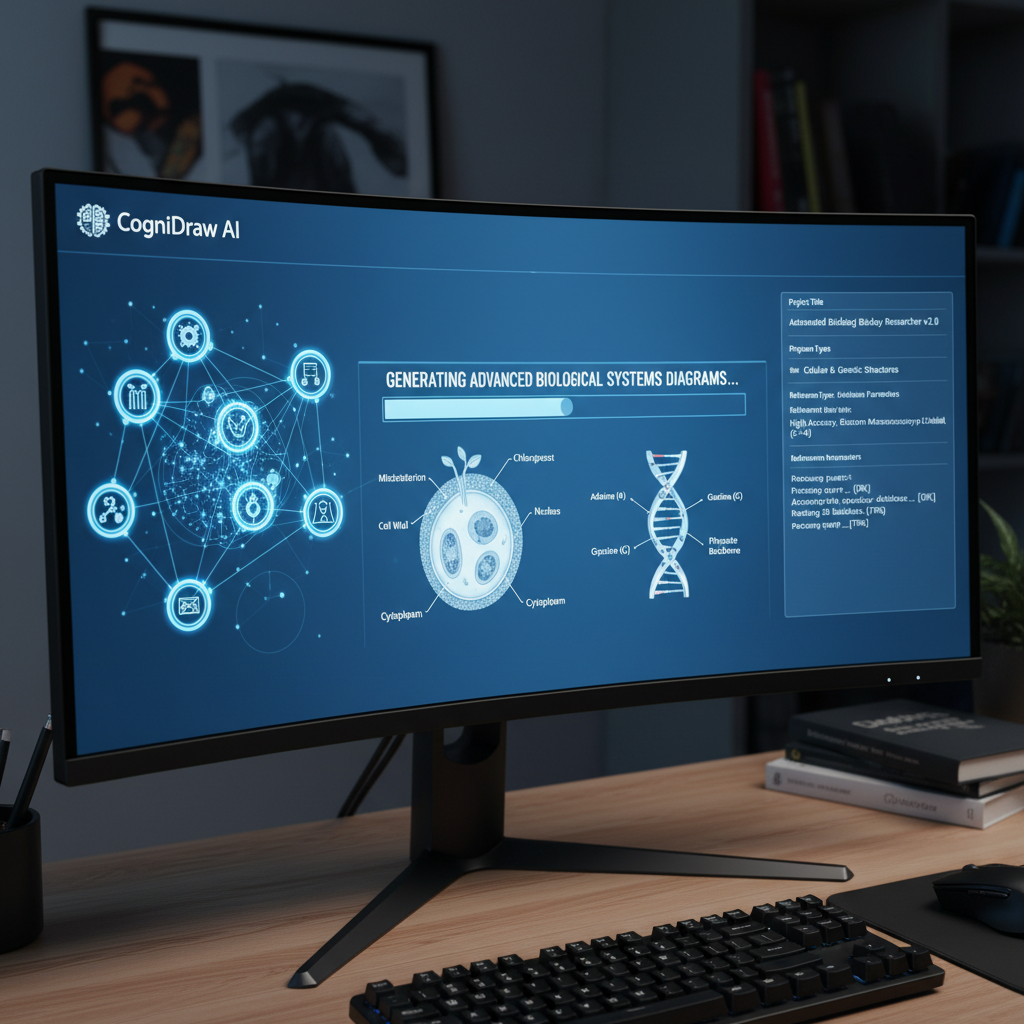
OpenAI held a briefing where they displayed the system’s versatile uses, featuring the generation of scientific diagrams with exact labels, as Newton’s prism experiment, the creation of multi-panel comic strips that maintain character consistency and dialogue continuity, and the production of informational posters with text accuracy. Demonstrations included practical applications like producing transparent background images for stickers, restaurant menus, and logos.
ChatGPT’s multimodal product lead, Jackie Shannon, highlighted the system’s capability to utilize world knowledge. When she starts drawing an image, she acknowledges her skill limits yet draws upon her accumulated world knowledge. The model incorporates world knowledge into its operations, which enables users to request images of specific historical experiments without needing to provide explanations.
The improved quality and additional capabilities of image generation provide justification for the increased wait time, according to OpenAI. Though there’s clearly potential to reduce latency, Shannon highlighted that the superior quality and enhanced capabilities of these images compensate for the added wait time through their world knowledge integration.
OpenAI addressed potential misuse concerns by implementing strong protective measures. The system implements measures to block CSAM requests while preventing watermark removal and sexual deepfake creation. All generated images contain standard C2PA metadata to show their origin in OpenAI creations despite lacking visual watermarks. The company operates internal verification tools for images.
The system isn’t flawless for this purpose, according to Shannon, but we keep improving our protective measures and view this as our initial effort. Users who generate images through ChatGPT hold ownership rights and have the freedom to deploy those images according to OpenAI’s usage policies.
The incorporation of sophisticated image creation capabilities into ChatGPT marks an important advancement in AI creativity. OpenAI shows its dedication to creating strong and responsible technology by advancing the binding, text rendering process and implementing strong protective measures. The company’s adoption of an autoregressive methodology instead of traditional diffusion models showcases its innovative approach to generating images. OpenAI demonstrates its dedication to transparency and ethical standards in AI content creation by focusing on user ownership and metadata integration. OpenAI has launched an innovative AI image generation platform that sets new accessibility and performance standards and ensures proactive risk management for this technology.