- calendar_today August 27, 2025
Hawaii & Pacific Workers Prepare Themselves for the Impact of AI Job Disruption by 2030
Artificial Intelligence (AI) is no longer science fiction—it’s now changing our world. From smart assistants to autonomous vehicles, AI is changing how and where we live and work. In Hawaii and Pacific Island societies more broadly, this transition is likely to present challenges as well as opportunities.
Experts predict that by 2030, nearly 50% of Hawaii and the Pacific region will be influenced by AI. That means a lot will be automated, some will disappear, and others will appear. It’s time for workers, businesses, and communities to prepare.
Let us take a look at how AI will affect the regional workforce, which sectors are most vulnerable, and how one can prepare for the future of work.
Why AI Will Make a Difference in Hawaii and the Pacific
The job market in Hawaii and the Pacific Islands is unique. It’s heavily dependent on a few large industries:
- Tourism and hospitality
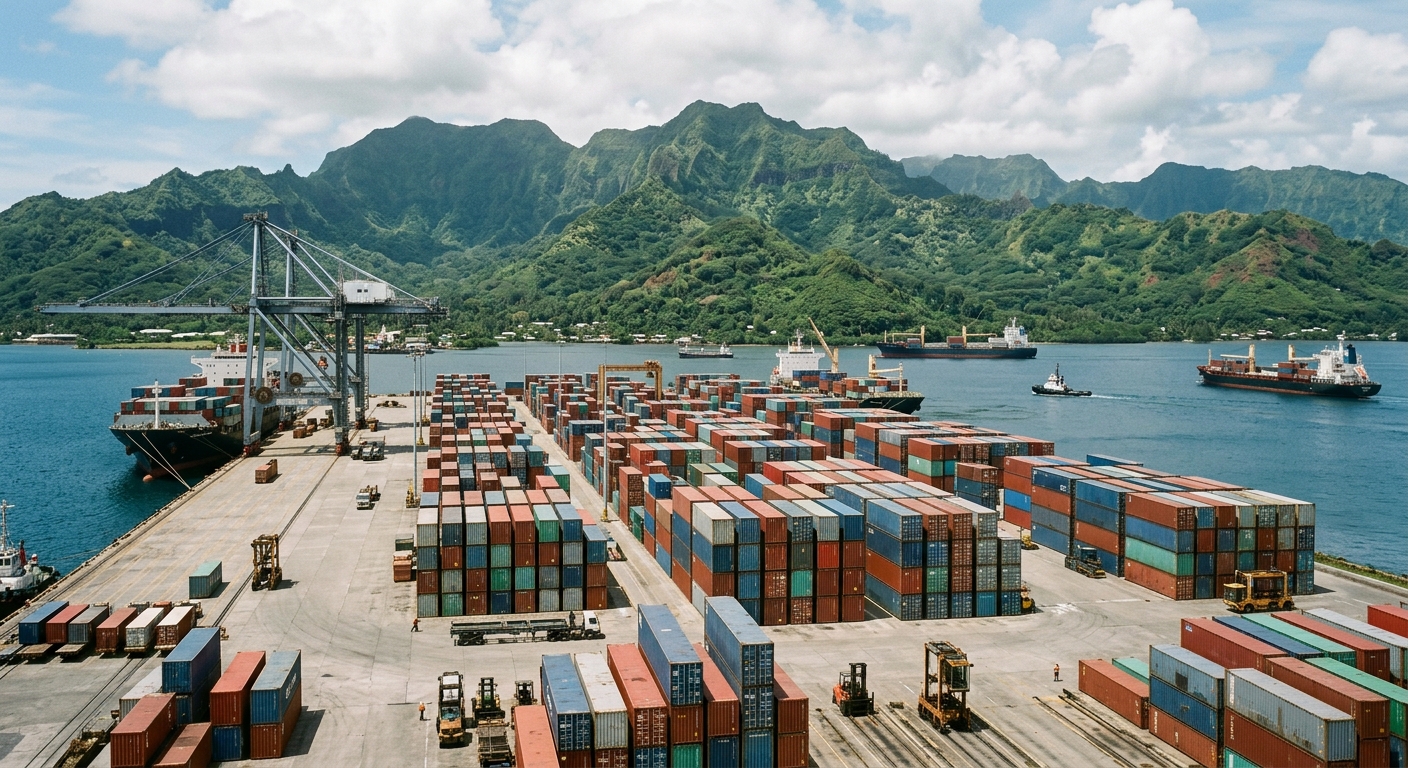
- Transportation and shipping
- Retail and food service
- Agriculture and fishing
- Government and healthcare
The majority of these utilize routine or physical work, which is most amenable to machines and AI to replace. But that does not mean that all of them will be lost. Instead, they will be altered, and workers will need to reskill to conform to new specifications.
Industries Most Affected by AI in the Area
1. Tourism and Hospitality
Tourism is the heart of Hawaii’s economy, and it also supports jobs in Guam, American Samoa, and other Pacific territories. AI is being used to:
- Offer automated check-ins at hotels
- Use chatbots for guest services
- Improve flight and travel planning
While some entry-level jobs may shrink, roles will grow in guest experience management, AI tech support, and personalized tourism services.
2. Transportation and Shipping
Shipping and flying are essential in the Pacific. With AI, companies are:
- Making shipping routes more efficient
- Using robotic trucks and drones
- Predicting when maintenance will be needed with smart sensors
Fewer people will be needed for manual jobs, but more workers will be needed for logistics planning, fleet technologies maintenance, and AI system maintenance.
3. Food Service and Retail
Self-service checkouts, food delivery apps, and smart inventory systems are growing rapidly. That means:
Traditional cashier jobs may decline
New jobs will be formed in e-commerce, digital marketing, and restaurant technology management
4. Agriculture and Fishing
- In rural island areas and farming land, AI helps with:
- Crop monitoring with the use of drones
- Stock monitoring of fish using underwater AI devices
- Smart irrigation and weather intelligence
Farmers and fishers who are technology-enabled can become agri-tech operators and marine data technicians.
5. Healthcare and Public Services
With aging populations and rural areas, AI is helping with:
- Telemedicine
- Organizing medical information
- Health predictions and diagnoses
Replacement of certain admin work will occur, but demand for nurses, caregivers, and health IT workers is rising.
Jobs That Will Grow in the AI Age
AI isn’t merely about job replacement. It’s also about job replacement and establishment. New professions are emerging in fields like:
- AI and computer programming
- Cybersecurity and IT maintenance
- Healthcare tech and diagnostics
- Green energy and sustainability
- Remote education and digital learning
- Artistic fields enriched by AI tools
These jobs pay better and are more secure, and usually require only short-term certification or training, not a four-year college education.
How Hawaii and Pacific Workers Can Get Ready
1. Get Basic Tech Skills
Basic computer skills are the new standard. Even knowing to use customer apps, spreadsheets, or AI tools can be a make-or-break skill. Free online resources make it convenient and easy.
2. Develop Human-Centered Skills
Artificial intelligence is unable to replace empathy, creativity, teamwork, or leadership. These “soft skills” are especially precious in healthcare, tourism, and education.
3. Tap Local Training
Local community colleges, vocational schools, and websites now offer training in:
- Digital marketing
- Renewable energy
- Healthcare support
- Hospitality tech
- Remote working tools
Many are short, affordable, and offer high-demand jobs.
4. Embrace Change with a Growth Mindset
Technology is changing fast. People who stay open to learning, change quickly, and pursue new opportunities will thrive in the emerging employment landscape.
What Communities and Governments Can Do
In a bid to facilitate workers to transition effectively, leaders across Hawaii and the Pacific must:
- Enhance access to digital technology and the internet
- Fund retraining and upskilling programs
- Make AI tools work responsibly for local businesses
- Build job placement and career counseling services
Collegially, governments, educators, and employers can ensure that everyone is included in the transition to AI.
Conclusion: Embracing the Future with Confidence
AI is not something to fear—it’s something to learn about and use wisely. While it will revolutionize many Hawaii and Pacific careers by 2030, it also offers the chance to create a smarter, more efficient economy that works for everybody.
The answer is to prepare now. With learning new skills, embracing technology, and coming together, the workers in the region can stay strong, competitive, and future-ready.
In the end, the future of work will be commandeered by those who are adaptable, capable, and receptive to growth—and that’s something that Hawaii and the Pacific have always been good at.