- calendar_today May 18, 2026
HONOLULU—Surging trump inflation is reshaping economic prospects throughout the Hawaii & Pacific region, as households and businesses grapple with escalating prices on essentials like fuel and everyday goods.
Rising Prices Put Pressure on Households
Hawaii & Pacific residents are experiencing the brunt of rising prices, with consumer goods and services becoming less affordable across the islands. Recent data reveal that inflation is outpacing wage growth, forcing families to adjust spending habits and rethink budgets. The latest increases have sent the cost of living even higher, a persistent concern for locals who already face some of the nation’s steepest expenses.
Gasoline Costs Driven by Global Conflict
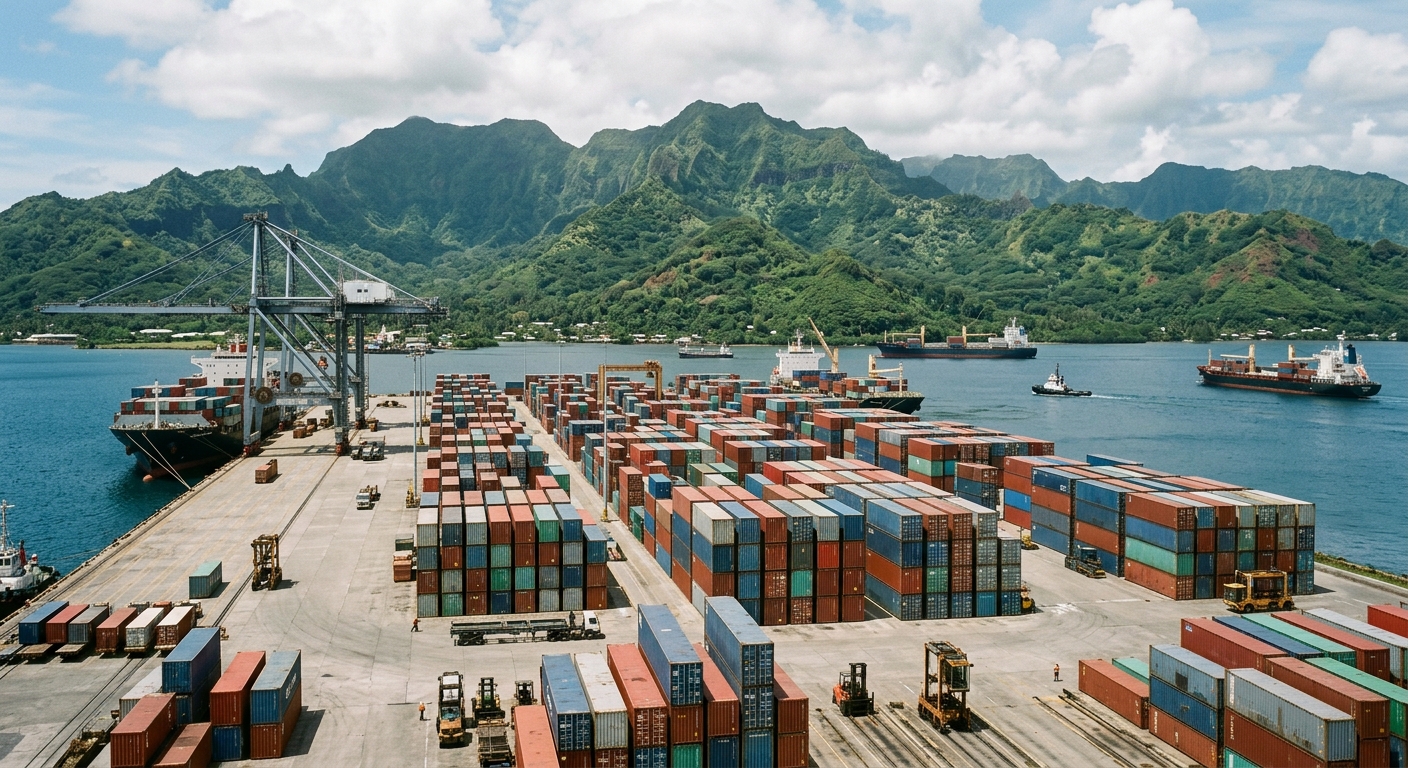
Escalating gasoline costs have become a focal point of frustration for daily commuters and businesses alike. The ongoing conflict with Iran has pushed average gas prices up by more than 40% from a year ago, affecting transportation expenses and contributing to higher retail prices for goods imported to Pacific islands. Residents in remote communities, often reliant on shipments from the mainland, are especially vulnerable to such volatility.
Consumer Confidence Slumps Amid Economic Challenges
As inflation persists, consumer confidence has slipped across the region. Reports from the University of Hawaii’s Economic Research Organization suggest that declining optimism is closely tied to the economic challenges linked to soaring prices and uncertainty in global markets. Shoppers are now more cautious, with surveys indicating an increased tendency to delay major purchases and discretionary spending.
Cost of Living and Inflation Impact Local Families
The elevated cost of living — already a hallmark in Hawaii & Pacific — has been further exacerbated by surging fuel prices. Economists caution that the inflation impact is falling hardest on low- and middle-income households, who spend a larger portion of their incomes on housing, utilities, and transportation. For many, the price shocks at gas stations and grocery stores have displaced other essentials, raising the risk of financial strain and food insecurity.
Midterm Elections and Voter Sentiment
These economic pressures are expected to influence public sentiment ahead of the upcoming midterm elections. Political analysts warn that household hardships, particularly those tied to gas and food prices, could be key issues among Hawaii & Pacific voters. President Trump’s administration has repeatedly expressed optimism about a swift recovery, but skepticism remains among locals watching bills outstrip paychecks.
Economic Policies and the Role of Interest Rates
Policy experts point to recent U.S. economic policies, such as tariff implementations and international military actions, as drivers of recent price surges. Some local economists suggest these strategies have amplified the challenges faced by regional communities. Meanwhile, the Federal Reserve has signaled plans to maintain current interest rates, unlikely to consider cuts unless global tensions ease. Financial institutions in Hawaii & Pacific are closely monitoring these developments, anticipating ripple effects on lending and investment climates.
Looking Ahead: Community Resilience Tested
With ongoing inflation and high fuel prices threatening economic stability throughout Hawaii & Pacific, residents and business leaders are bracing for what comes next. Local organizations such as chambers of commerce and nonprofit advocates continue to press for solutions to ease the burden of rising prices and support families facing mounting economic hardship. As the region awaits potential changes in national policy or shifts in geopolitical tensions, the focus remains on fostering community resilience amid turbulent times.