- calendar_today April 8, 2026
In the aftermath of two powerful Kona low storms, nearly 3,000 tons of storm debris collected from Waialua and Haleiwa has been processed at Central Oahu Regional Park, highlighting the scale of recovery operations currently underway in the Hawaii & Pacific region. As local agencies prioritize public safety, efforts to restore the central oahu regional park for community use are advancing steadily.
Vast Quantities of Storm Debris Managed
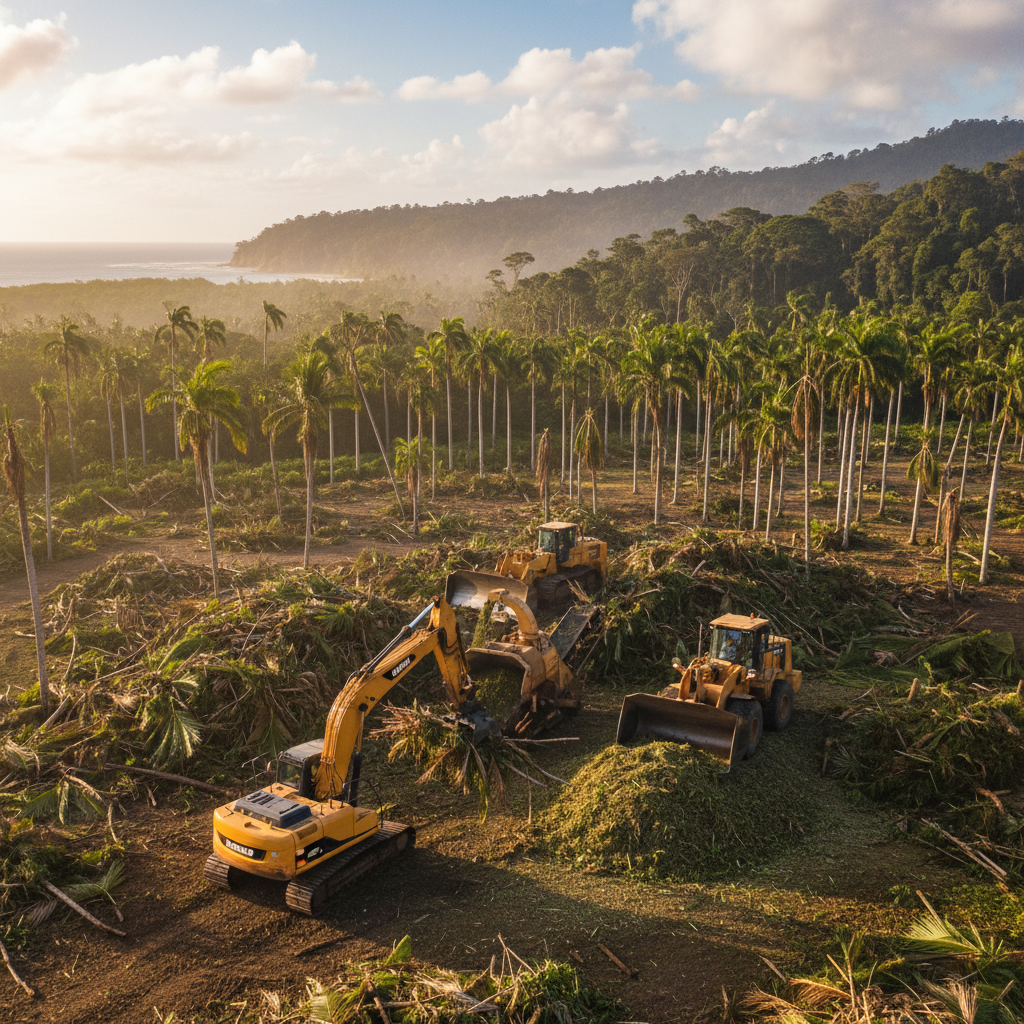
Cleanup teams, coordinated through the Department of Environmental Services, transported thousands of tons of debris following the storms. Much of the storm debris originated in Waialua and Haleiwa, two coastal communities significantly affected by the extreme weather. The debris cleanup involved meticulous separation of various materials, ensuring metals and green waste were managed in accordance with environmental regulations.
Challenges in Debris Cleanup and Metal Recovery
Approximately 100 tons of metal were successfully recovered during the process, demonstrating the scale of metal recovery efforts. However, the green waste presented a substantial challenge. Contaminated with mud and other mixed materials, this portion of the debris became difficult to process effectively. As a result, a significant share of the collected waste ultimately required landfill disposal, adding pressure on local waste management systems.
Soil Contamination and Environmental Health Assessments
With extensive debris removal operations came new concerns about soil contamination at the park. Environmental health officials conducted comprehensive soil sampling to detect any hazardous residues that could threaten the area. These initial tests form part of ongoing assessments to determine whether contaminated soil requires mitigation, helping to safeguard environmental health for all park visitors and users.
Park Restoration Timeline and Plans
Park restoration activities are now in full swing, with teams focusing on restoring safe access and natural aesthetics. Where soil contamination is detected, remediation steps involve introducing new soil layers and reseeding areas with appropriate vegetation. Officials estimate that the complete restoration of Central Oahu Regional Park could take about six weeks, pending weather conditions and further testing. Maintaining a balance between efficient restoration and public safety remains a top priority.
Preparing for Future Kona Low Storms
The necessity of these efforts is underscored by forecasts of another potential storm system threatening the Hawaii & Pacific islands. The recent Kona low storms, known for bringing intense rainfall and flooding, have prompted agencies to refine debris cleanup protocols and reinforce park infrastructure. Anticipating future storms, local authorities aim to position the Central Oahu Regional Park as a resilient community asset, minimizing disruptions to recreation and gatherings.
Community Impact in Waialua and Haleiwa
The combined efforts in storm debris removal and park restoration are seen as essential steps in supporting recovery for residents of Waialua, Haleiwa, and wider Oahu communities. Local groups, health officials, and environmental agencies continue to coordinate closely, ensuring the public is informed and equipped to navigate both immediate and long-term impacts.
Long-Term Sustainability and Public Safety Measures
Looking forward, departments involved affirm their commitment to transparency and frequent updates as restoration progresses. With landfill disposal monitored and soil contamination testing ongoing, maintaining a safe and vibrant Central Oahu Regional Park stands as a shared goal for stakeholders across the Hawaii & Pacific region. Attention to environmental health and public safety remains at the center of all ongoing initiatives.